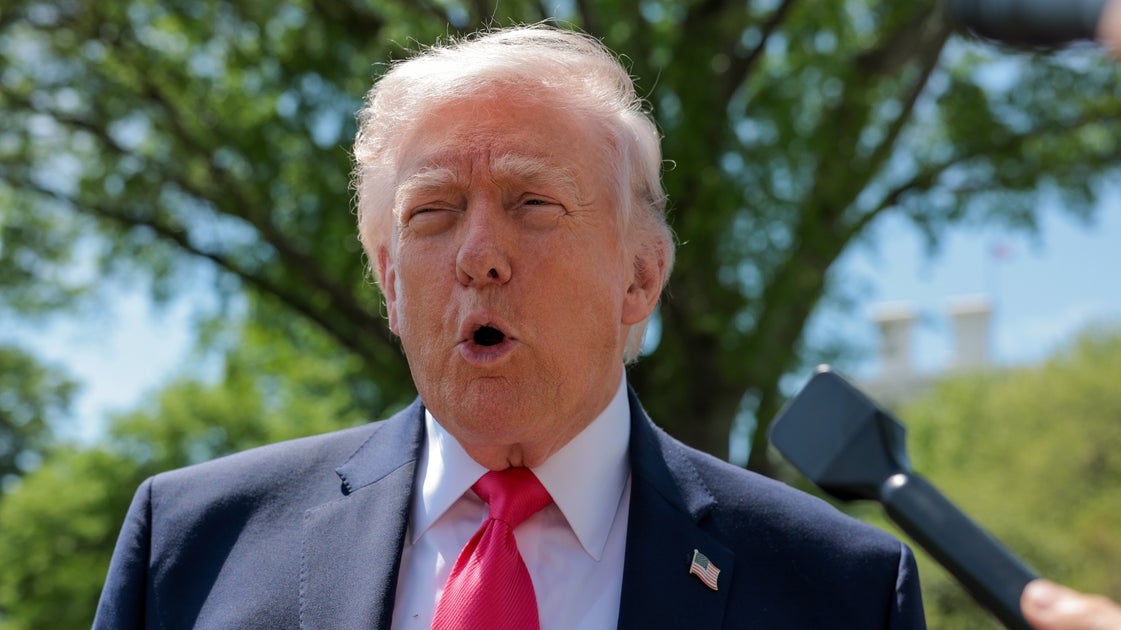
Trump said his hoarse voice was from "screaming at Iranians all day," suggesting ongoing tension in U.S.-Iran relations and a combative stance toward Iran. He also repeated that the administration uses a hardline approach because "that's the only thing they understand," but the piece is primarily a color report on his offhand comments rather than a market-moving policy development.
The market implication is not the quote itself, but the signaling: a more theatrical, personalized approach to statecraft increases the odds of headline-driven policy volatility, especially around Iran and trade. That tends to steepen the tail for any asset exposed to Gulf shipping, energy supply expectations, or tariff-sensitive China-linked revenue, even if the base case policy path is unchanged. In other words, the first-order market move may be muted, but the implied distribution of outcomes widens.
The second-order effect is on optionality. When the administration telegraphs confrontation in non-traditional language, implied volatility in defense, energy, and transport can underprice the probability of abrupt escalation or de-escalation. The more important catalyst horizon is days-to-weeks, not months: one sharp policy headline can reprice crude, shipping insurance, and defense names faster than fundamentals would justify.
Contrarianly, this may be less bullish for a sustained geopolitical risk premium than it appears. Markets have become conditioned to treat aggressive rhetoric as a negotiating tactic, which can cap duration in crude spikes and make fade trades attractive after initial moves. The risk is asymmetry: if rhetoric is followed by actual sanctions, a naval incident, or a tariff escalation, the market will have very little warning and could gap through near-term technical levels before discretionary positioning can react.
AI-powered research, real-time alerts, and portfolio analytics for institutional investors.
Request DemoOverall Sentiment
neutral
Sentiment Score
0.00
