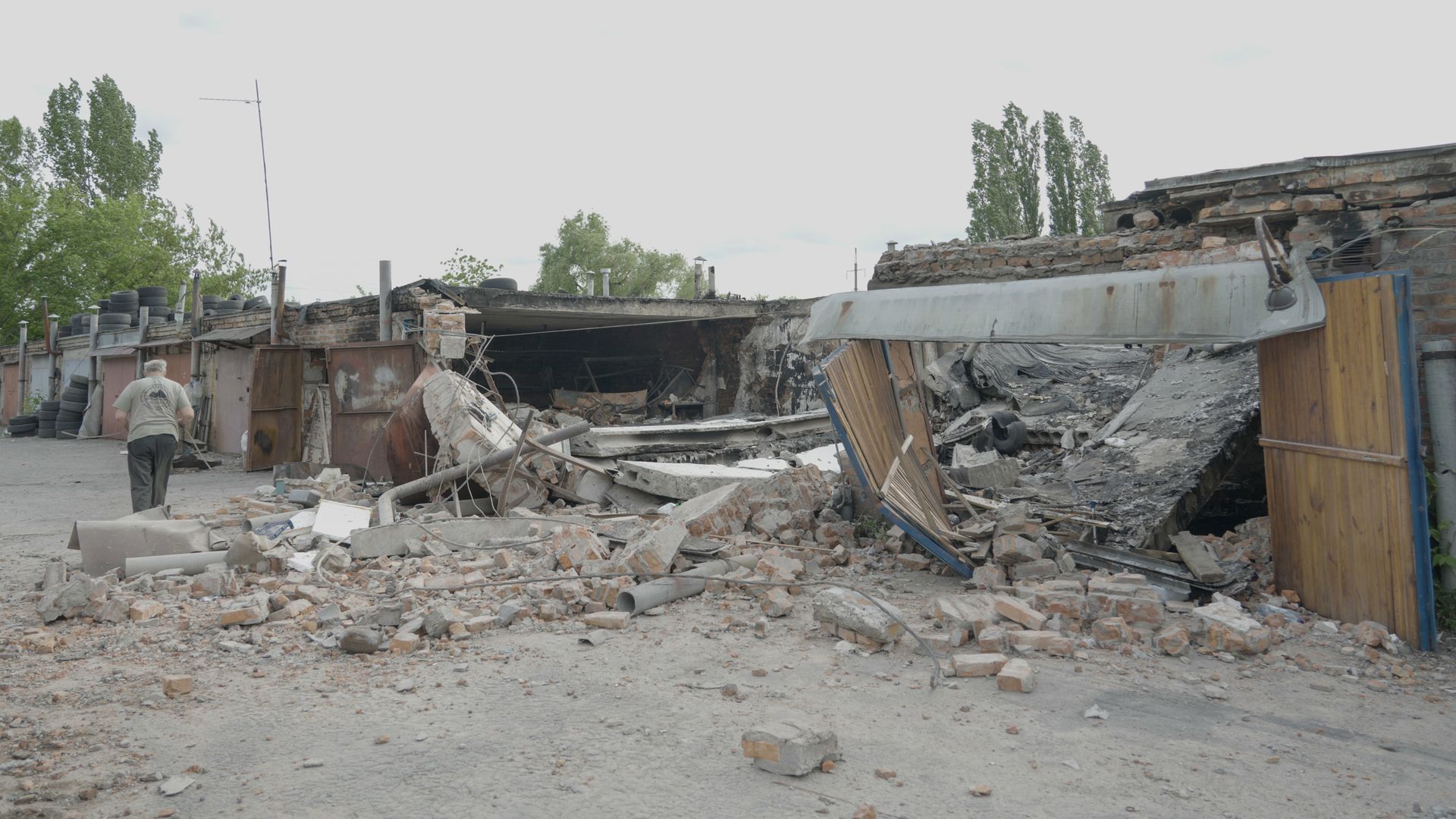
Russia's Oreshnik IRBM appears to have caused limited damage in its May 24, 2026 strike on Bila Tserkva, reinforcing claims that the non-nuclear version is an expensive but low-utility weapon. The article says the missile costs over $50 million, while a conventional Iskander-M costs about $1.4 million and could have inflicted more damage. The piece also notes Russia has used Oreshnik three times since its first combat use in November 2024, but its deterrence value is fading as the system proves difficult to use effectively without a nuclear payload.
The key market implication is not the battlefield damage itself but the collapse of Russia’s signaling premium. A weapon marketed as a strategic escalator that cannot reliably outperform cheaper legacy systems loses deterrence value, which weakens Moscow’s ability to extract concessions through fear and reduces the odds of a near-term “shock” repricing in European security assets.
Second-order, this shifts value toward systems that are either cheaper, harder to intercept, or actually scalable in production. The more Russia leans on expensive demonstrators with poor conventional utility, the more it exposes a mismatch between propaganda and industrial capacity; that widens the credibility gap around other Russian advanced programs and supports a longer-duration premium for Western missile defense, ISR, and strike-enabling supply chains. It also modestly raises the probability that Russia preserves scarce high-end inventory for symbolic use rather than operational effect, creating lumpy headline risk but lower sustained campaign effectiveness.
For defense equities, the trade is less about immediate war escalation and more about procurement urgency. European states will read this as another data point that point-defense, counter-IRBM, and hardened infrastructure matter more than headline offensive systems, which should support multi-year budget allocations into interceptors, sensors, and C2 software. The main contrarian risk is that the market underestimates a Russian attempt to restore credibility via a future live-nuclear or deeper-penetration demonstration, which would abruptly reprice tail risk even if day-to-day military utility remains poor.
Consensus may be too focused on the missile’s failure and not enough on the signaling asymmetry it creates. If Russia can no longer use a costly, exotic weapon to shape negotiations, it may revert to higher-volume conventional strikes, which is worse for Ukraine operationally but actually less novel for markets; that argues for fading knee-jerk geopolitical vol and favoring defense beneficiaries on pullbacks rather than chasing headline spikes.
AI-powered research, real-time alerts, and portfolio analytics for institutional investors.
Request DemoOverall Sentiment
mildly negative
Sentiment Score
-0.15
