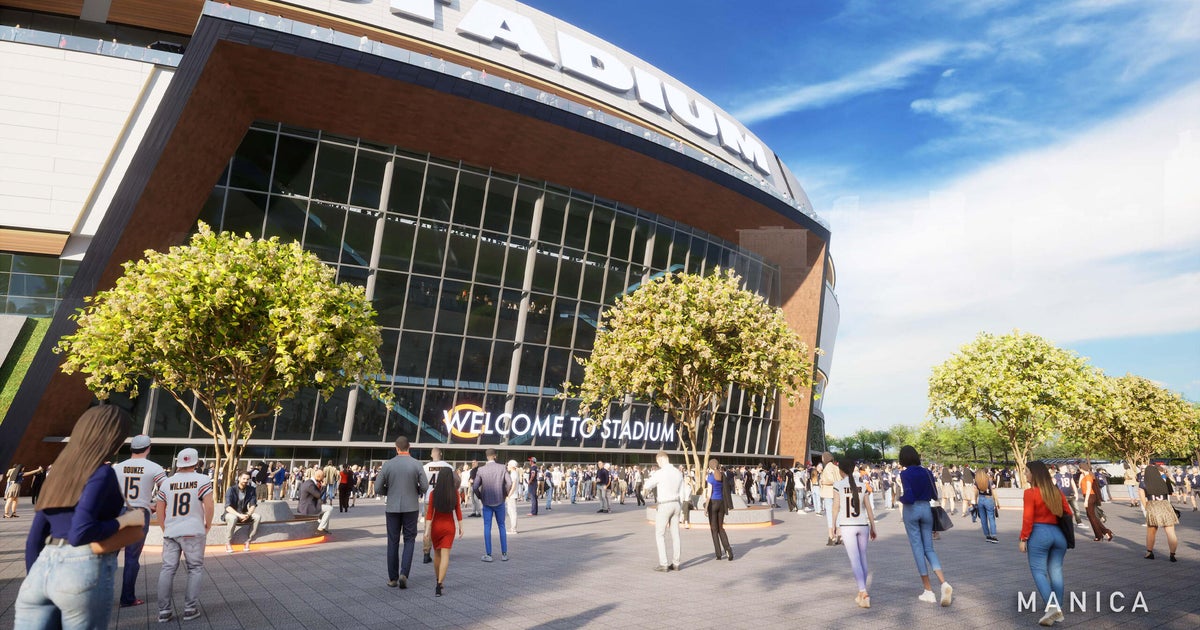
Indiana lawmakers advanced an amendment to SB 27 to create a Northwest Indiana Stadium Authority with bonding, land-acquisition and financing powers, and the Chicago Bears have pledged $2 billion toward building a stadium near Wolf Lake in Hammond pending site due diligence. The development heightens competition with Illinois—where a separate hearing on a proposal to freeze property tax assessments for mega-projects (threshold $500 million, up to 40 years) was canceled—and underscores potential public‑private infrastructure spending (the Bears have sought >$850 million in Illinois for supporting infrastructure), though no final deal is reached and political and fiscal hurdles remain.
Market structure: A Hammond stadium shifts ~$2bn+ of capex and multi-year ancillary development demand out of Illinois into Indiana, benefiting construction/materials (steel, aggregates, concrete), regional contractors, hospitality and transit operators near Wolf Lake while depressing Arlington Heights land/development optionality and any Illinois-funded infrastructure prospects. Pricing power will be modest but concentrated—local aggregate and midwest steel producers see 3–7% incremental demand versus baseline during peak construction phases (6–24 months), and regional labor markets will tighten, lifting local wage inflation for skilled trades. Risk assessment: Tail risks include permit/environmental litigation at Wolf Lake, legislative reversal in Indiana, or a Bears pivot back to Arlington—each could wipe out near-term upside and leave already-deployed local capex stranded; assign a 25–35% probability to significant delays and 5–10% to project cancellation over 12–24 months. Near-term (days–weeks): volatility around final SB27 votes and Illinois legislature actions; short-term (3–12 months): RFPs and bond issuance; long-term (2–5 years): ongoing regional tax base and hospitality revenues. Hidden dependencies: South Shore Line ridership upgrades, insurance/financing covenants, and county bond-holder consent clauses. Trade implications: Favor materials and engineering exposure (NUE, VMC, MLM, J/ACM) and tactical long Indiana muni/municipal-credit if SB27 includes explicit state backing; underweight Illinois muni/redevelopment plays tied to Arlington Heights. Use equity and options to express directional exposure (call spreads) with 6–18 month expiries, and avoid one-way leverage until due diligence milestones complete (LOI/signing within 60–90 days). Contrarian angles: The market underestimates environmental and legal friction at Wolf Lake and overestimates immediate local tax uplift—if litigation delays exceed 12 months, materials names could retrace quickly; conversely, a signed LOI plus state-backed bond issuance would compress Indiana muni spreads by 20–50bps and re-rate regional contractors. Historical parallel: large NFL relocations typically take 2–5 years from announcement to opening; price in at least 18–36 months for full economic effect. Unintended consequences include slowed Chicago lakefront projects as political capital shifts to Indiana.
AI-powered research, real-time alerts, and portfolio analytics for institutional investors.
Request DemoOverall Sentiment
mildly positive
Sentiment Score
0.28
