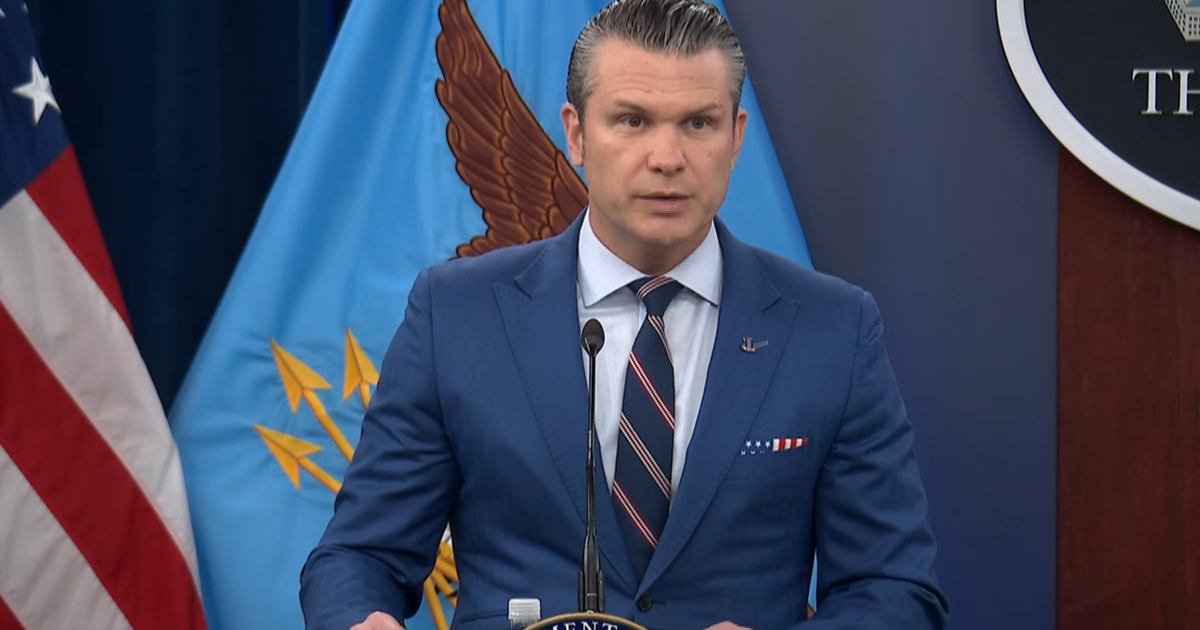
Oil prices have risen above $100/barrel as ship traffic in the Strait of Hormuz is largely halted amid ongoing U.S.-Iran hostilities and unresolved mine threats. U.S. forces report roughly 6,000 strikes in Iran (CENTCOM) and U.S./Israeli claims exceed 15,000 targets; Iran's missile activity is said to be down ~90% by U.S. officials, yet assaults continue. A U.S. refueling tanker crash in western Iraq killed six crew members (under investigation), and the U.S. temporarily loosened sanctions to allow Russian oil already at sea to be sold, providing limited near-term supply relief while geopolitical risk keeps markets defensive.
Disruption risk concentrated in narrow chokepoints is creating acute demand for shipping capacity, insurance, and naval services even before a structural supply shortfall is demonstrated. Owners of modern crude tankers (VLCC/Suezmax) and spot-focused operators will see utilization and time-charter equivalents spike first, while legacy long-term-lease owners lag; this bifurcation can drive >30% relative outperformance of spot-heavy names over peers in weeks if flows remain contested.
Market pricing is therefore more a function of perceived transit risk than physical barrels on hand. The main near-term catalysts are binary and fast-moving: confirmed mining activity or a credible escort/de‑mining corridor reduces uncertainty within days; conversely, an accidental hit on a commercial vessel or a successful interdiction raising insurance premiums would push freight and risk premia materially higher over weeks to months and propagate to refining differentials and storage economics.
The consensus is treating this as a short-lived volatility event; the underappreciated pathway is a medium-term (3–12 month) reallocation of fleet and storage that tightens available tanker capacity even if crude flows resume — think shorter repositioning cycles, higher idle-hour recovery and forced rate normalization that supports equity upside for mobile owners. Conversely, a fast diplomatic/operational fix would see a rapid unwind and outsized losses for levered, event-driven longs, so position sizing and option structures are essential.
AI-powered research, real-time alerts, and portfolio analytics for institutional investors.
Request DemoOverall Sentiment
strongly negative
Sentiment Score
-0.60
