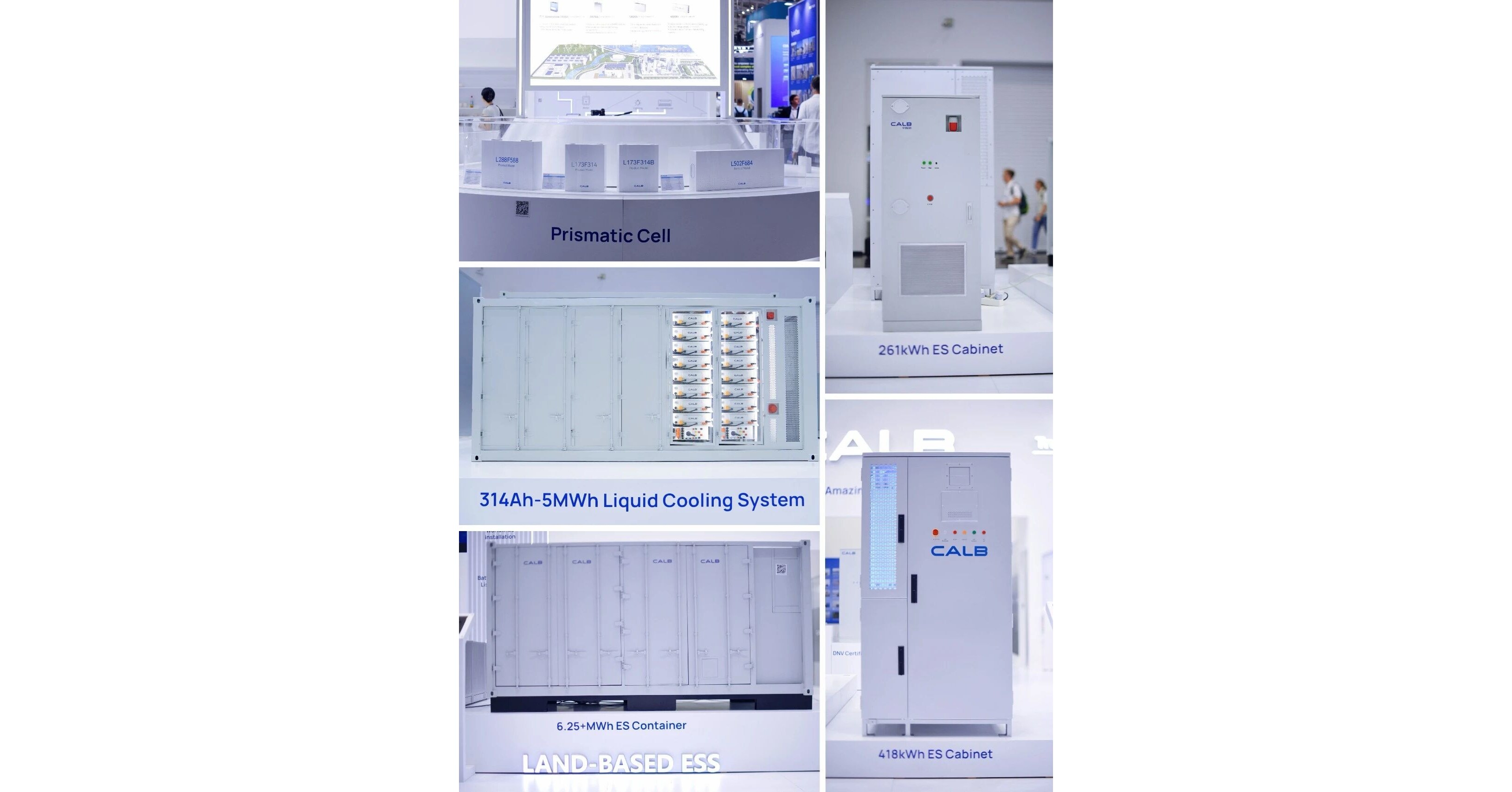
CALB showcased next-generation long-life energy storage solutions at Intersolar Europe 2026, including a 661Ah stacked cell rated for up to 15,000 cycles with zero degradation in the first three years and up to a 25-year calendar lifespan. The company also unveiled a 6.25MWh liquid-cooling container that increases capacity by ~25% while reducing system components by ~40% versus the previous generation. While the article is product-focused, it signals improved safety, efficiency, and potential LCOS reduction via integrated long-cycle cells and liquid-cooling systems.
This is more important as a pricing signal than a company-specific catalyst: larger-format, longer-life storage hardware continues to push down the all-in cost curve for grid batteries. If the performance claims hold in the field, the second-order winner is not the cell vendor but European project owners, utilities, and renewable developers that can now underwrite higher-duration storage with better IRRs and less replacement risk over a 6-18 month horizon.
The flip side is margin compression for any Western integrator or local assembler whose differentiation is mostly procurement and packaging rather than software or balance-sheet strength. A lower LCOS environment also accelerates substitution away from peaker gas and improves the economics of co-located solar-plus-storage, which should help backlog quality at diversified utilities but hurt standalone hardware names that depend on scarcer capacity and high gross margins.
Near term, this is mostly a trade-show headline; the real catalyst is bankable project awards, certification, and warranty acceptance over the next 1-3 quarters. The thesis is falsified if European buyers keep prioritizing non-Chinese content, if tariffs or fire-safety rules slow deployment, or if the claimed cycle life proves optimistic in first deployments. The consensus may be missing that commoditization can be bullish for end-market adoption while still bearish for upstream hardware margins.
AI-powered research, real-time alerts, and portfolio analytics for institutional investors.
Overall Sentiment
mildly positive
Sentiment Score
0.25
Ticker Sentiment
