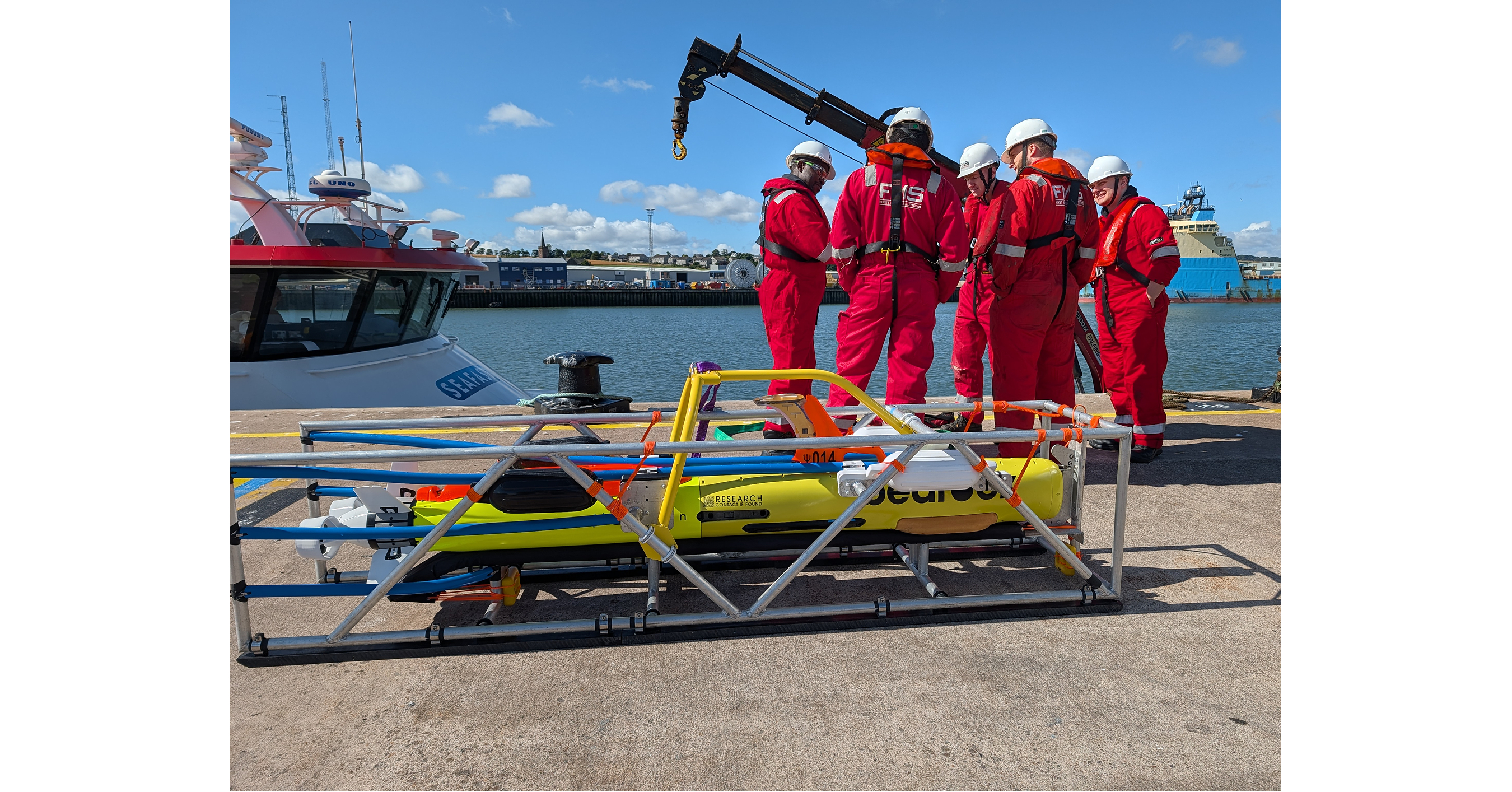
Bedrock Ocean Exploration announced a multi-year strategic partnership with First Marine Solutions (FMS) to establish a UK/Europe operational hub for Bedrock’s autonomous underwater vehicle (AUV) data acquisition in Aberdeen. Bedrock will station AUV kits in Aberdeen and provide data-processing expertise and training so FMS can run most operations and maintenance locally, reducing the need to ship equipment from the US. The deal is positioned to deliver a vertically integrated offshore intelligence and survey offering for UK/North Sea and broader European offshore energy and subsea infrastructure clients.
This is more of a commercial-validation event than a near-term earnings driver. The strategic value is that the product is being embedded into a local operating stack in a basin where response time, certification, and field support matter more than headline technology demos. That lowers deployment friction for WWRL and, if it works, can shift buying criteria from fleet scale to data quality and turnaround speed — a margin-positive mix change if it translates into repeatable service contracts.
The competitive threat is aimed at labor-intensive survey and subsea service providers whose moat is local presence, marine logistics, and crew depth. If WWRL can offload maintenance and operations to a regional partner, the incumbent disadvantage is not just cost but speed: customers will compare hours-to-insight versus vessel-days, which can compress pricing across the niche. The second-order effect is that software-like recurring revenue could start to displace one-off project economics, but only after enough field references reduce procurement risk.
The market is likely to overestimate the immediacy of monetization. The real catalyst path is 1-2 quarters of backlog conversion, then evidence of repeat deployments across other European basins; the structural payoff sits 6-18 months out. Falsifiers are simple: if deployments still require significant U.S. specialist support, or if management cannot show higher utilization / lower service cost per mission, this remains a partnership headline rather than an operating inflection.
AI-powered research, real-time alerts, and portfolio analytics for institutional investors.
Request DemoOverall Sentiment
mildly positive
Sentiment Score
0.15
Ticker Sentiment
