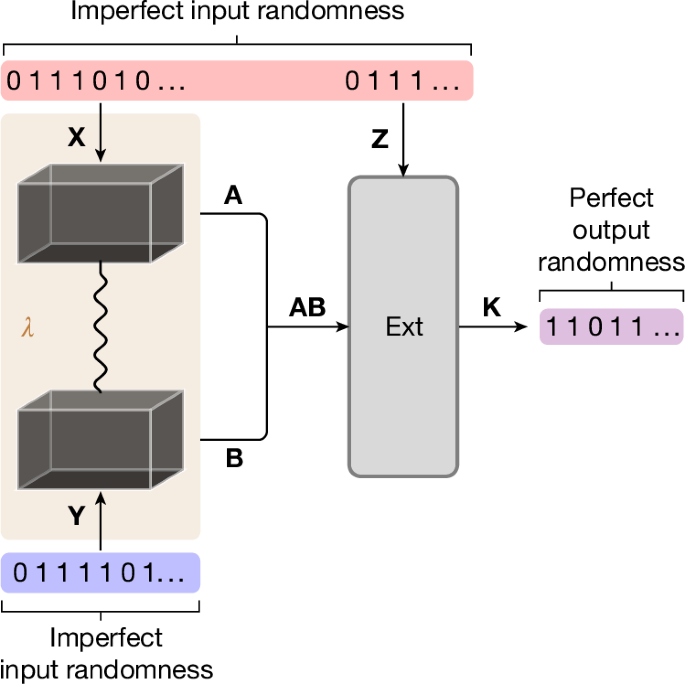
Nature reports a successful experimental demonstration of randomness amplification using superconducting circuits, a device-independent quantum protocol previously shown impossible by purely classical means. The work establishes a definitive quantum advantage for generating high-quality randomness for cryptographic applications, with supporting code and data publicly deposited at ETH Zurich. The article is scientific rather than market-moving, but it reinforces progress in quantum computing, quantum randomness generation, and cryptographic infrastructure.
This is a proof point for a niche but strategically important layer of the quantum stack: certified entropy. The immediate economic value is not in consumer-facing “quantum random numbers,” but in the fact that device-independent certification raises the trust premium for any system where randomness is part of the security chain — key generation, beacon services, HSMs, and regulated infrastructure. That creates a longer-dated monetization path for a small set of incumbents with quantum networking, cryogenic control, and post-quantum security exposure, while commoditizing plain QRNG hardware over time. The second-order effect is on procurement standards. Once a lab can demonstrate that entropy quality is not merely statistically good but formally certified, buyers in defense, critical infrastructure, and financial services will likely shift from “passes NIST tests” to “provably source-independent,” which can expand addressable spend for vendors that can bundle certification, audits, and managed services. The competitive moat is therefore software, protocol integration, and compliance packaging — not the raw source of randomness. Contrarian read: the near-term market may overestimate the revenue impact and underestimate the adoption friction. Device-independent protocols are operationally heavy, latency-sensitive, and likely to remain a premium feature for years, not a broad upgrade cycle. So the winning trade is not chasing a pure-play quantum hardware name; it is targeting the adjacent cybersecurity and infrastructure vendors that can capture incremental wallet share if certified randomness becomes a procurement checkbox.
AI-powered research, real-time alerts, and portfolio analytics for institutional investors.
Request DemoOverall Sentiment
mildly positive
Sentiment Score
0.35
Ticker Sentiment
