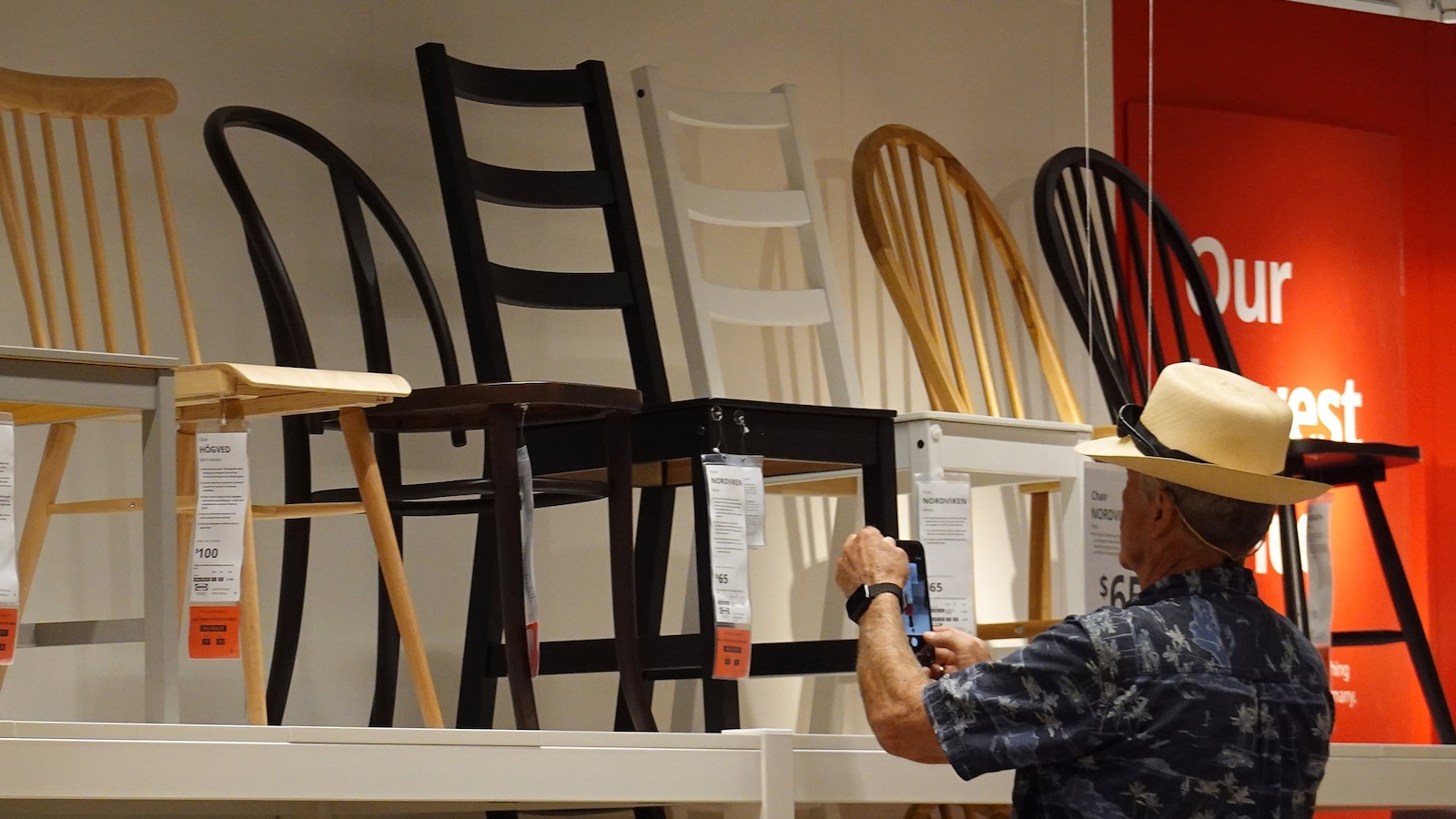
President Trump has imposed new tariffs, effective October 1, on upholstered furniture (30%), kitchen cabinets (50%), and certain pharmaceutical drugs (100%), citing national security and domestic production incentives. These levies are expected to directly increase consumer prices for home goods and raise costs for homebuilders, potentially benefiting domestic manufacturers despite weak housing demand. However, the impact on pharmaceutical drug prices is anticipated to be limited due to exemptions for U.S.-based manufacturing, existing trade agreements, and the exclusion of generic medicines, though insurers may pass some incremental costs to policyholders. This policy action highlights ongoing regulatory uncertainty for businesses across various market segments.
New tariffs effective October 1 will directly impact specific consumer and industrial sectors, though with varying intensity. The home goods sector faces the most tangible effects, with a 30% tariff on upholstered furniture and 50% on kitchen cabinets. This is expected to exacerbate price inflation, evidenced by the 4.7% year-over-year increase in furniture prices already recorded in August, a stark reversal from the 5.1% decline seen a year prior. While domestic manufacturers, represented by groups like the American Kitchen Cabinet Alliance, anticipate benefits from reduced foreign competition, homebuilders and retailers are poised to experience margin pressure from higher input costs. However, the full pass-through of these costs to consumers may be tempered by weak underlying demand in the housing market. Conversely, the 100% tariff on branded pharmaceuticals is projected to have a limited impact. This is due to a combination of factors: an exemption for firms building U.S. manufacturing facilities, an existing U.S.-EU trade agreement capping pharma tariffs at 15%, and the apparent exclusion of generic drugs, which comprise approximately 90% of U.S. prescriptions. While some minor cost increases could be passed to consumers via insurance premiums, the overarching takeaway from this policy action is the heightened level of uncertainty for businesses, reinforcing the unpredictable nature of trade policy.
AI-powered research, real-time alerts, and portfolio analytics for institutional investors.
Overall Sentiment
moderately negative
Sentiment Score
-0.45
Ticker Sentiment
