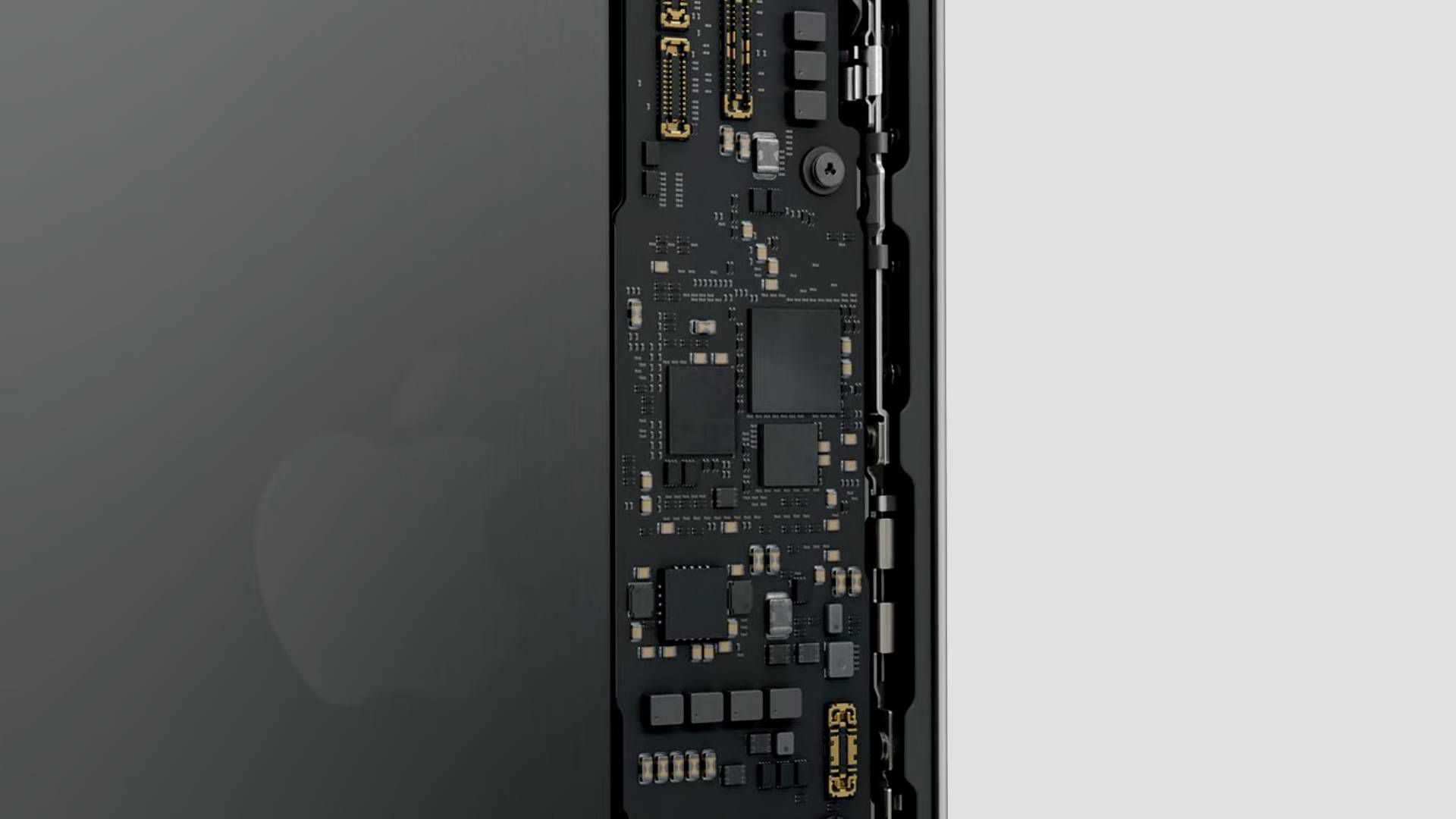
Apple is shifting a much larger share of iPhone LPDDR purchases to Samsung — roughly 60%–70% for the iPhone 17 — as memory prices and supply constraints tighten. A 12GB LPDDR5X module price has jumped from about $30 at the start of 2025 to roughly $70, while SK Hynix and Micron reallocate capacity to HBM for AI/datacenter demand. The move concentrates volume with Samsung to secure predictable deliveries and economies of scale, but raises cost and supplier-concentration pressures that could weigh on Apple margins while benefiting Samsung's memory business.
Market structure: Samsung (005930.KS / SSNLF) is the clear near-term winner — expect it to capture ~60–70% of iPhone LPDDR volumes, supporting revenue and mobile-margin upside for the next 2–6 quarters as LPDDR module prices jumped from ~$30 to ~$70. SK Hynix (000660.KS) and Micron (MU) are mixed: losing mobile share but benefiting from HBM demand; their mobile revenue could lag by several quarters while HBM revenues scale. Apple (AAPL) faces measurable margin pressure: a ~$40 jump in a 12GB LPDDR5X (~+130%) implies non-trivial cost/headwind to COGS if not fully passed to ASPs. Risk assessment: concentration risk rises — single‑supplier dependency increases operational tail risks (yield variance, voltage-sensitivity recalls) and bargaining asymmetry if Samsung leverages supply. Time horizons split: days — implied vol spikes around Apple/supplier earnings and memory-price prints; weeks–months — guided margins and supply agreements; quarters — capex shifts as SK Hynix/Micron retool for HBM. Hidden dependency: Apple’s A19 family sensitivity to transient voltage spikes demands component homogeneity; any Samsung yield issues would disproportionally disrupt iPhone production. trade implications: tactical allocations — go long Samsung (SSNLF/005930.KS) sized 2–3% of NAV using a 6–9 month call spread (buy ATM, sell +15–20% strike) to capture supplier share gains; establish a defensive short on AAPL via a 3-month put spread (buy 6% OTM, sell 12% OTM) sized 1–1.5% to hedge margin risk; buy a 9‑month MU call spread (capture HBM upside) sized 1–2%. Pair trade: long SSNLF, short AAPL (gross long 2.5%, short 1.5%) until memory prices normalize below $45 for 60 days. contrarian angles: consensus underestimates Samsung’s pricing power and economies of scale; markets may underprice margin upside into Samsung and overprice Apple downside. Conversely, if AI demand falters and HBM capex slows, SK Hynix/MU can redeploy capacity back to LPDDR within 3–6 months, reversing the squeeze — watch LPDDR spot below $45 for 30 days as a trigger to unwind shorts. Historical DRAM cycles (2016–2018) show sharp mean reversion; set strict stop-losses (15–20%) and timeboxes (3–9 months) on these trades.
AI-powered research, real-time alerts, and portfolio analytics for institutional investors.
Request DemoOverall Sentiment
moderately negative
Sentiment Score
-0.25
Ticker Sentiment
