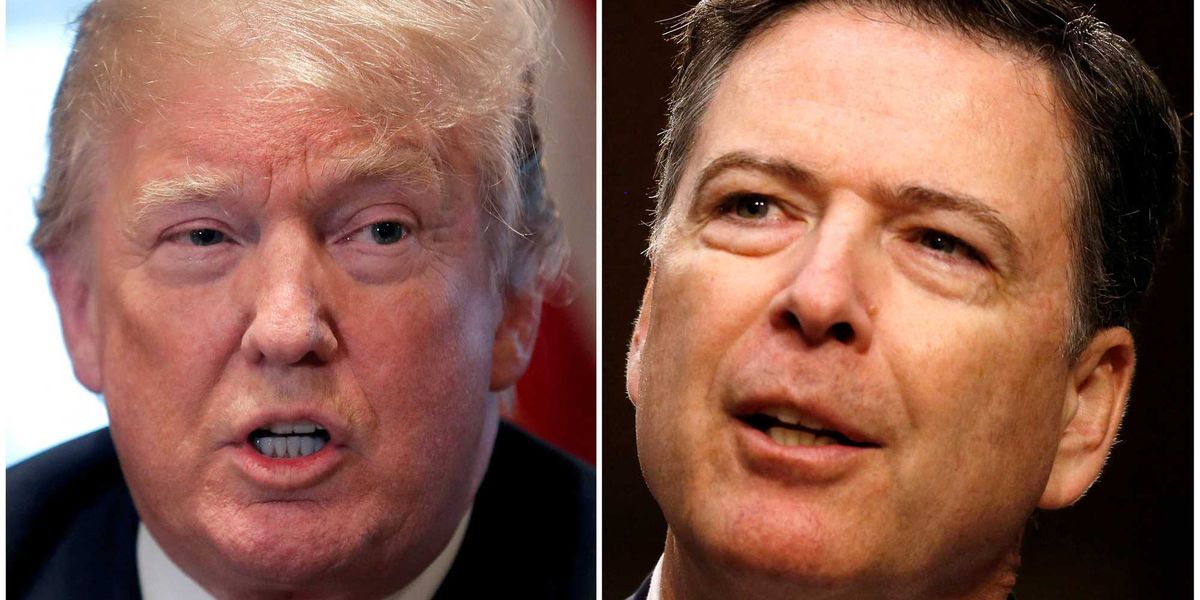
The DOJ’s prosecution effort against former FBI director James Comey is creating internal turmoil, with more than a half-dozen prosecutors demoted or pushed out of the Eastern District of Virginia and a key office described as understaffed and weakened. The fallout has reportedly hobbled major cases, including the Abbey Gate terrorism trial tied to Mohammad Sharifullah, amid concerns that experienced prosecutors are leaving rather than work on cases they view as violating their principles. The article points to mounting personnel, resource, and mission costs from President Trump’s push against adversaries.
This is less a DOJ headline than a governance stress test for the state’s enforcement machinery. The near-term market impact is diffuse, but the second-order effect is real: when prosecutorial capacity gets politicized, case timelines lengthen, evidentiary quality deteriorates, and the cost of doing business around federal investigations rises for regulated sectors. That tends to widen the discount rate on companies with material government contract exposure, national-security adjacency, or active FCPA / export-control / antitrust overhangs.
The bigger read-through is institutional churn. High-profile personnel exits increase the odds that career lawyers become more risk-averse, which can suppress aggressive charging decisions on everything from defense procurement to tech/platform conduct. Over 3-12 months, that can be a tailwind for names facing DOJ scrutiny because delay itself becomes a form of relief; over 1-3 years, though, the pendulum can snap back with a harsher, more precedent-driven enforcement posture once staffing stabilizes and political attention shifts.
Contrarianly, the market may underprice how little of this is a clean ‘deregulation’ story. If the office is weakened, the visible benefit accrues to defendants only in the short run; the hidden cost is less predictable process, more venue-shopping, and a higher probability that one marquee case becomes an overcorrection point later. The tradeable implication is not broad beta, but dispersion: companies with opaque legal exposure and weak governance should outperform only temporarily, while high-quality contractors and defense primes may be relative safe havens because they monetize policy uncertainty rather than suffer it.
AI-powered research, real-time alerts, and portfolio analytics for institutional investors.
Request DemoOverall Sentiment
moderately negative
Sentiment Score
-0.35
