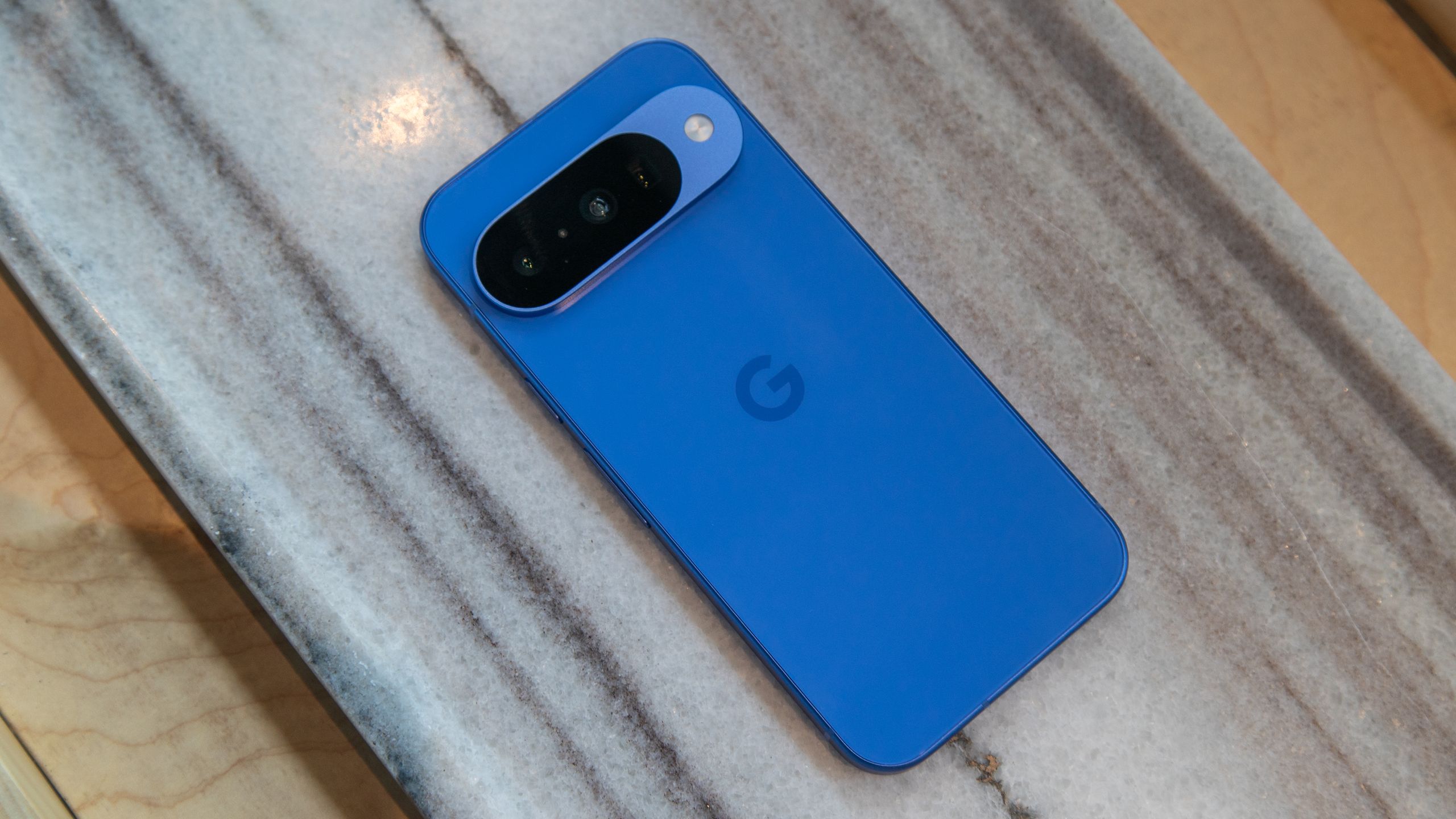
Google code leaks suggest it is developing a new Pixel-branded laptop and a revived LED notification feature called Pixel Glow, potentially extending to both phones and laptops. The feature may integrate with Gemini AI and provide visual alerts via subtle rear lighting, though there is no release date and the article notes Google may ultimately drop the idea. The news is largely speculative and unlikely to move markets materially.
This is less a product-launch headline than an option on Google’s ecosystem architecture. A visible hardware cue on phones is marginal; the strategic value is if it becomes a differentiator for a new Android-on-laptop reference design, which would strengthen Google’s control over the user interaction layer across form factors. That matters because the real monetization isn’t the LED strip itself — it’s the incremental retention of Gemini usage, default Google services, and Chrome/Android continuity if the company can make its own hardware the showcase for ambient AI.
The second-order effect is more interesting on supply chain and competitors. If this feature survives prototype-to-production, it implies incremental BOM complexity in premium devices and a modest benefit to component suppliers tied to light guides, optics, and camera-bar integration, but the bigger loser is any OEM competing on “smart ambient” UX without owning the software stack. For Apple, this is noise unless it forces a response in notifications/AI affordances; for Microsoft/PC OEMs, a Google-branded laptop with tighter AI integration is a longer-term threat to the low-end productivity and education segments, where software differentiation is already thin.
Catalyst timing is months, not days: the code leak is a signal of experimentation, not launch certainty, and the product can die in testing. The real risk is reputational — if Google over-commits to gimmicky hardware and then retracts it, it reinforces the market’s discount for its hardware ambitions. Conversely, if this is paired with a credible desktop Android push, the market could start assigning a small but non-zero probability to a vertically integrated Google device strategy, which is not fully reflected in current expectations.
The contrarian view is that the market is underpricing the ecosystem signal and overpricing the hardware novelty. A successful Pixel laptop matters because it would be a proof point for Android’s expansion beyond phones, not because of the light feature; that could improve attach rates for Gemini and Google services over 12-24 months even if unit volumes stay modest. The trade is therefore a slow-burn strategic optionality bet, not a near-term revenue story.
AI-powered research, real-time alerts, and portfolio analytics for institutional investors.
Request DemoOverall Sentiment
neutral
Sentiment Score
0.05
Ticker Sentiment
