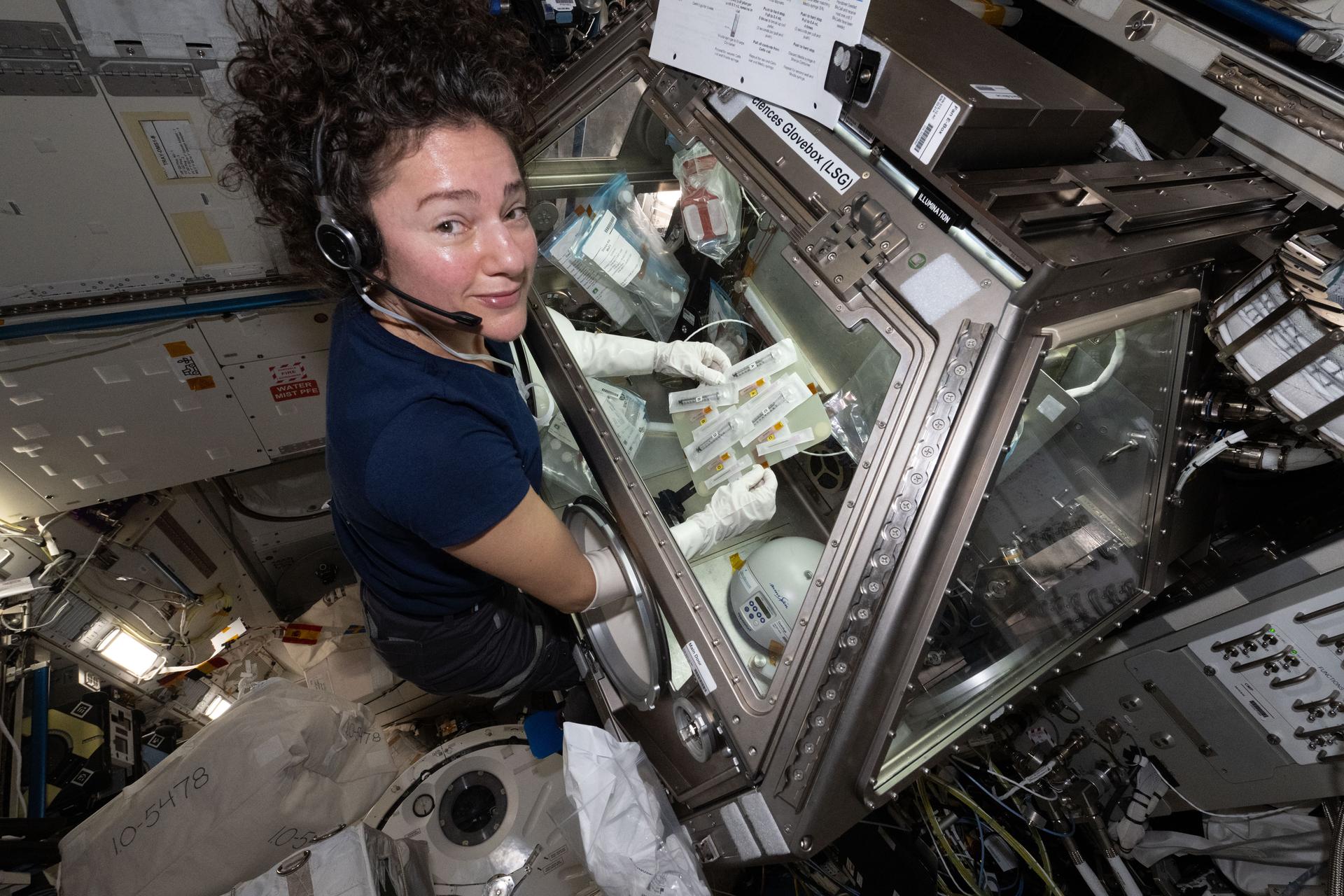
NASA’s 34th SpaceX commercial resupply mission is returning a broad set of biological, materials, and hardware samples from the ISS for further analysis. The cargo includes stem cells, heart tissue infected with pneumonia-causing bacteria, platelet-related samples, cryogenic fuel tank hardware, semiconductor crystals, DNA-based therapeutics, brain/heart/liver/kidney tissue models, bone scaffolds, and 3D-printed cartilage. The article is primarily a research update with limited immediate market impact.
The immediate economic value here is not in the science headlines themselves but in the validation of microgravity as a manufacturing process. If even a few of these experiments convert from proof-of-concept to repeatable yield improvements, the addressable market shifts from niche research budgets to high-value biofabrication, advanced materials, and space-enabled process IP. The likely beneficiaries are the enabling layer rather than the headline biology: contract research, lab automation, cryogenic systems, thermal control, and specialty consumables tied to repeat missions and sample throughput.
The second-order effect is a widening moat for teams that can translate orbital data into Earth-based workflows. A successful space-based stem cell or cartilage workflow implies a differentiated source of intellectual property, but commercialization will likely be gated by regulatory timelines, manufacturing reproducibility, and cost per gram of output. That creates a long runway for tools and platform companies while keeping near-term revenue recognition lumpy; the market is likely to overestimate how quickly these samples become clinical products and underestimate the multi-year validation cycle.
From a risk standpoint, the main catalyst is not a single readout but a sequence of favorable replication studies over 6-24 months. The tail risk is that microgravity effects prove directionally interesting but not scalable once terrestrial bioprocess controls are tightened, which would relegate this to a science story with limited monetization. A more subtle risk is that success here accelerates government and defense interest in orbital manufacturing infrastructure, shifting the profit pool toward launch, logistics, and in-space platform providers rather than the bio-output itself.
The contrarian view is that the market may be underpricing the optionality embedded in space manufacturing workflows, especially for high-margin niche products where yield and structure matter more than volume. But it is also likely overpricing the speed of clinical adoption: even compelling data today would mostly move budgets, partnerships, and grant funding before it moves commercial revenue. The investable edge is to own the picks-and-shovels exposure, not the speculative end-product narrative.
AI-powered research, real-time alerts, and portfolio analytics for institutional investors.
Request DemoOverall Sentiment
neutral
Sentiment Score
0.10
