



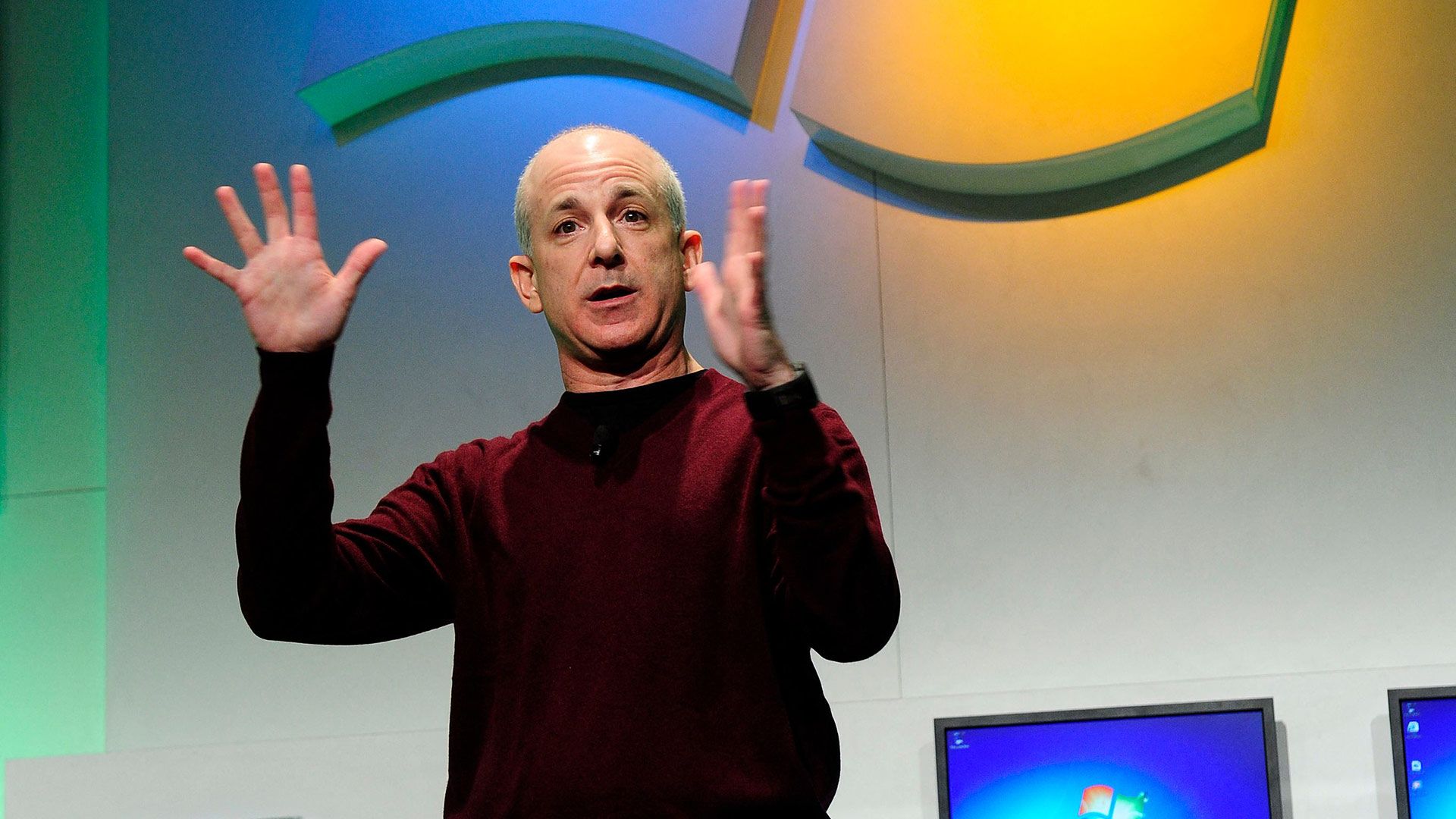
Microsoft veteran Steven Sinofsky highlighted that Windows on Arm with Nvidia Tegra was already showcased in 2010/11, drawing parallels to the current Nvidia-Arm push for a new Windows PC era. The article frames the latest effort as potentially more compelling because of the AI angle, but no concrete product, pricing, or shipment figures were disclosed. Market impact should be limited unless Computex announcements provide clearer evidence of adoption or commercial traction.
This is less a Windows comeback story than a validation of a new GPU compute stack being pulled into the PC form factor. The key second-order effect is that NVDA can use Windows OEMs as a distribution layer for its platform ambitions, while MSFT gets a stronger on-device inference story that reduces dependence on cloud economics for some workloads. ARM benefits most from broader architectural legitimacy, but the real monetization bottleneck is not ISA adoption; it is software compatibility, developer toolchains, and whether OEMs can hit mainstream price points without diluting margins.
The market should be careful not to extrapolate too much from a historical déjà vu narrative. Prior Windows-on-Arm cycles failed because performance-per-dollar and app compatibility lagged x86; today the hurdle is narrower but still decisive: battery, thermals, and AI workloads must be meaningfully better, not just comparable. If these laptops land with premium pricing, the near-term trade-off is that they may expand addressable market at the high end while still leaving the volume Windows installed base untouched for 12-18 months.
QCOM is the most exposed if this wave is interpreted as an Arm PC win rather than a Nvidia win. A credible Nvidia-led silicon stack could compress Qualcomm’s strategic optionality in premium Windows notebooks, especially if developers optimize around CUDA-adjacent AI features rather than generic Arm portability. The contrarian read is that this may actually be a software and UX upgrade story for Microsoft more than a unit-share victory for any single chip supplier, which argues for calmer expectations on hardware share gains and a higher confidence view on ecosystem acceleration over the next 2-4 quarters.
AI-powered research, real-time alerts, and portfolio analytics for institutional investors.
Request TrialOverall Sentiment
neutral
Sentiment Score
0.10
Ticker Sentiment
