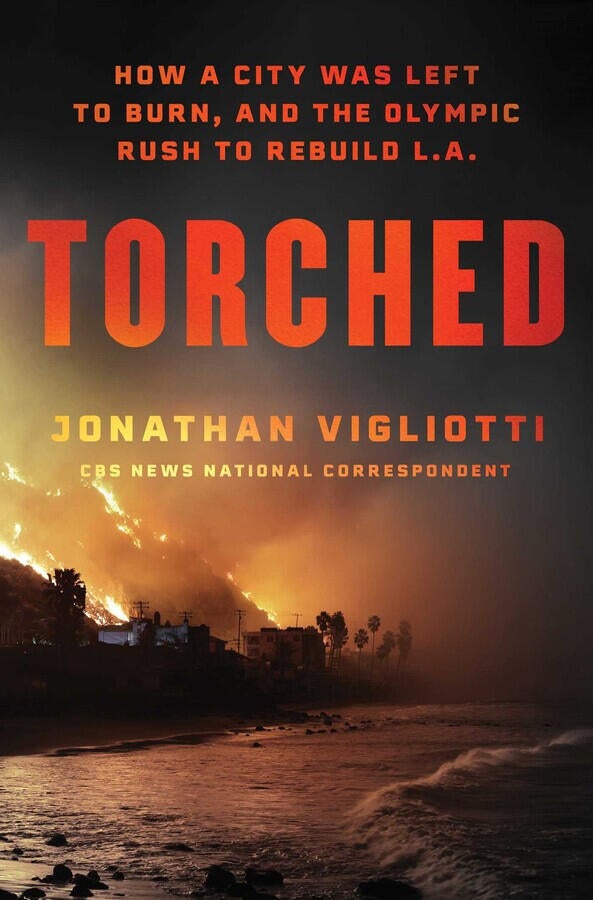
Los Angeles is rushing to rebuild after last year’s wildfire damage, with a permit and cleanup process compressed from about a year into months ahead of the 2028 Olympics. The article warns that many rebuilds are defaulting to standard wood construction despite available steel and concrete-composite alternatives that can improve fire resistance and potentially lower insurance costs. The piece is a cautionary commentary on climate-risk exposure and rebuilding standards rather than a direct market-moving event.
The market implication is not the headline rebuilding story; it is the policy choice to preserve a lower-cost, lower-resilience housing stack. That creates a delayed but very real transfer from insurers and homeowners to materials, specialty construction, and code-compliance beneficiaries, because each rebuilt structure becomes a long-duration asset with embedded catastrophe risk priced into its financing and insurance. If the current rebuild path remains wood-heavy, the next fire season does not just recreate losses — it expands the premium burden and keeps underwriting capital tight, which can suppress transaction volume and remodel activity for years.
The second-order winner is any business exposed to hardened building envelopes, fire-resistant components, elevation systems, and expedited permitting workflows. The loser set is more subtle: standard single-family homebuilders may see unit counts recover, but mix can be inferior if customers choose the cheapest rebuild path; meanwhile insurers face a trap where premium increases lag true risk, forcing either rate hikes, exclusions, or retreat from the market. That dynamic can accelerate a migration of capital toward California-adjacent Sun Belt projects with cleaner risk-adjusted returns, which is a multi-year competitive shift rather than a one-off disaster trade.
The contrarian view is that consensus may be underestimating how slow the physical rebuild actually is versus the political narrative of speed. Permits are not dirt in the ground, and until construction starts, the market is pricing a recovery that may be more bureaucratic than economic. That creates a window where the best risk/reward is not chasing headline-sensitive recovery names, but positioning for a lagged insurance and code-enforcement repricing over the next 6-18 months, especially if another fire event renews public pressure and forces stricter standards.
AMZN is not a direct trade here, but the broader theme suggests selective exposure to disaster-recovery logistics, modular construction, and materials supply chain beneficiaries rather than generic housing beta. The bigger opportunity is in volatility: catastrophe policy uncertainty can re-rate regional insurers quickly, while builders and suppliers benefit more slowly and unevenly. In our view, the market is underpricing the probability that rebuilding standards tighten only after the first new wave of losses, not before it.
AI-powered research, real-time alerts, and portfolio analytics for institutional investors.
Request DemoOverall Sentiment
mildly negative
Sentiment Score
-0.20
Ticker Sentiment
