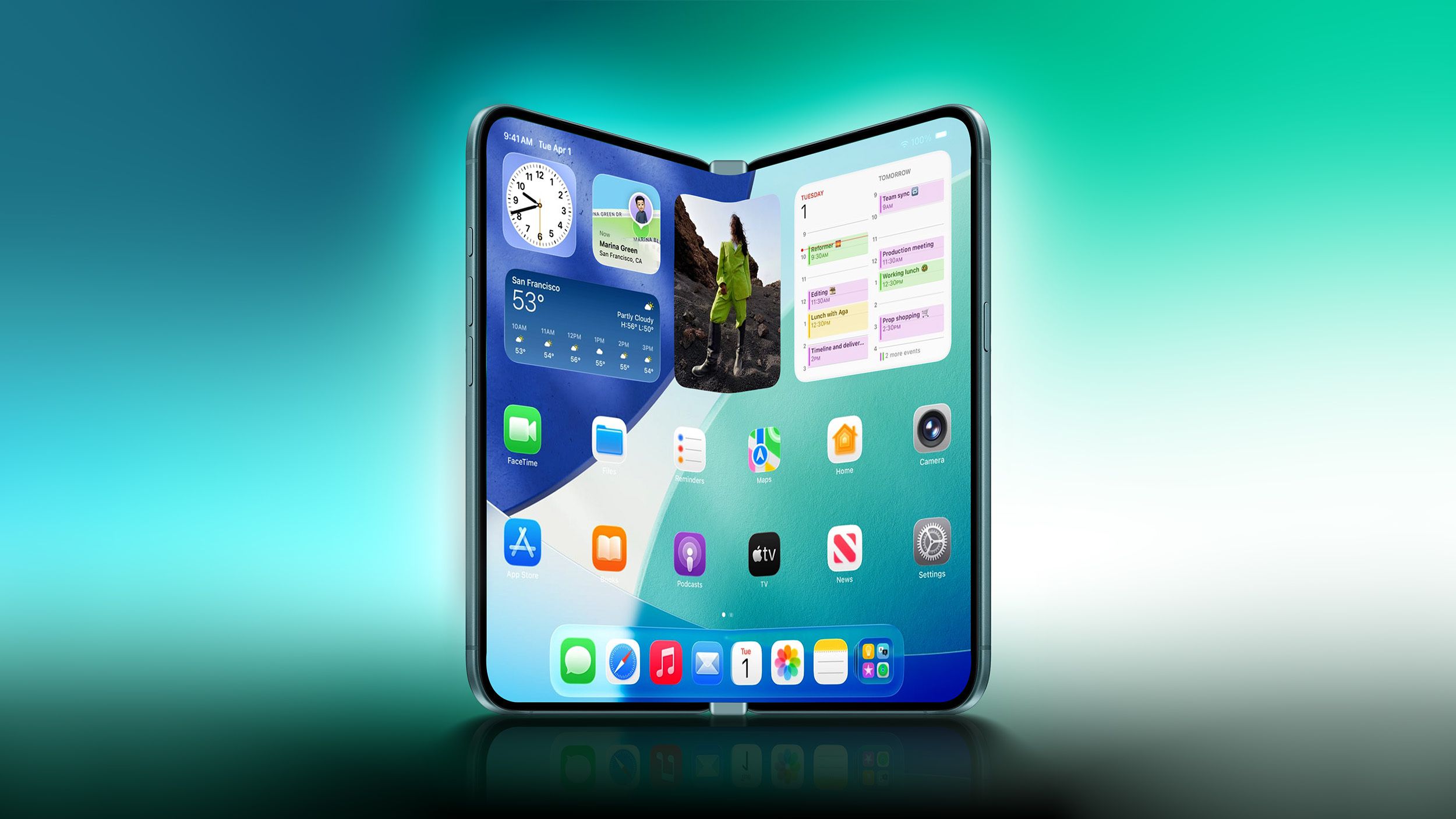
Apple’s first foldable iPhone is still expected to launch in September 2026, but the second color option remains unconfirmed amid conflicting rumors. Reported supply-chain constraints, OLED panel ramp-up, and likely tight initial availability suggest Apple may keep the palette narrow, with pricing expected to start above $2,000. The news is more about launch logistics and product positioning than immediate fundamental impact.
The marginal information here is not the color debate; it is the signal that Apple is still optimizing SKU simplicity around a device whose launch economics are already constrained by yield. For a first-gen foldable, every additional finish compounds working-capital, allocation, and manufacturing complexity at exactly the moment when panel and hinge supply are the binding constraints. That makes a narrow launch palette more likely than the rumor noise suggests, and it reinforces the broader setup: the product is being treated less like a mass-market iPhone variant and more like a prestige, capacity-managed halo device.
The second-order implication for Apple is mix, not unit volume. A $2,000+ starting price means early buyers are overwhelmingly spec- and form-factor-driven, so color breadth has little elasticity on demand, but it does matter for operational efficiency and launch conversion. If Apple keeps the line tight, it can preserve gross margin and reduce inventory risk; if it expands choices too early, it risks fragmenting already scarce supply and slowing fulfillment into the holiday season. That would be a negative only if investors start assuming a broader addressable market than the factory can actually support.
The contrarian read is that the market may be underestimating how prolonged the supply bottleneck could be. If foldables remain constrained through 2026, the strategic value is less about near-term revenue and more about establishing a premium ladder for a multi-year upgrade cycle, which could gradually expand ASPs without materially changing iPhone unit math. The largest beneficiary outside Apple is likely Samsung Display and the hinge/materials ecosystem, which can capture early lifecycle content even if end-demand is capped; the biggest loser is anyone positioning for a broad, China-style launch curve on day one.
Near term, this is not a sentiment catalyst for AAPL shares by itself. The more important catalyst is confirmation of launch timing, initial production allocation, and whether Apple signals a premium-only positioning that supports margin accretion despite low initial volume.
AI-powered research, real-time alerts, and portfolio analytics for institutional investors.
Request DemoOverall Sentiment
neutral
Sentiment Score
0.05
Ticker Sentiment
