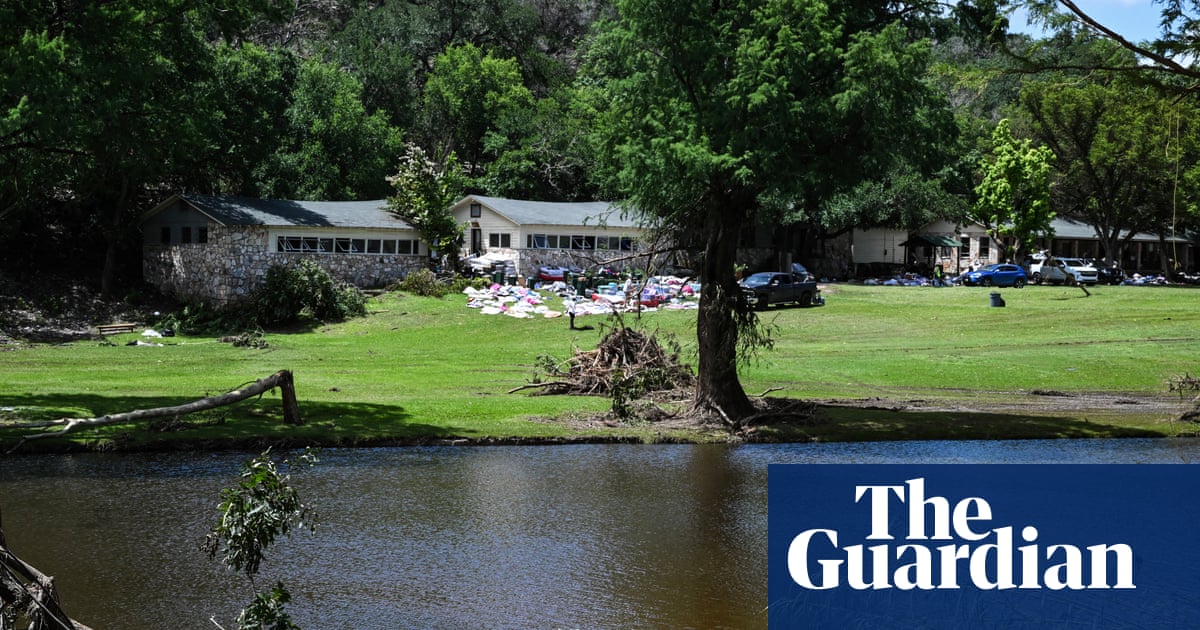
Camp Mystic halted plans to reopen this summer after the July 4 flood that killed 27 campers, two teenage counselors, and owner Dick Eastland. The decision follows escalating scrutiny from Texas lawmakers and ongoing legal cases tied to the camp’s response to the disaster. The camp has withdrawn its reopening application, leaving the issue in regulatory and legal limbo.
The immediate economic loser is not just the camp operator; it is the broader summer “destination micro-economy” around the site, which likely absorbs the shock through lost seasonal wages, local services, and charity-linked spending. More importantly, this is a governance event that raises the cost of operating any youth, outdoor, or faith-based camp in flood-prone regions: insurers will reprice coverage, lenders may tighten covenants, and state regulators are likely to move from post-event review to ex ante enforcement. That tends to hit smaller operators first, but second-order effects can spill into contractors tied to camps, summer programs, and rural hospitality if reopening timelines slip across the sector.
The legal overhang is longer-dated than the public outrage cycle. Near term, the catalyst path is investigation, discovery, and possible civil settlements; that creates a multi-quarter lid on any reopening or asset monetization plans, and it also increases the odds of operational changes that raise fixed costs permanently. The market should assume a higher baseline for compliance spending, storm-hardening capex, and liability reserves for any entity exposed to similar geographic risk, especially where private operators rely on legacy permits or informal political goodwill.
The contrarian angle is that the headline can become a policy template. Once lawmakers frame a tragedy as a preventable governance failure rather than a pure natural disaster, similar facilities elsewhere may face inspections, higher zoning scrutiny, and premium hikes even if they were not directly implicated. That creates a broader underappreciated short thesis on “cheap” recreational real estate in high-risk flood corridors: the asset value is often understated because the real liability is contingent and non-linear, not captured in current EBITDA.
AI-powered research, real-time alerts, and portfolio analytics for institutional investors.
Request DemoOverall Sentiment
strongly negative
Sentiment Score
-0.55
