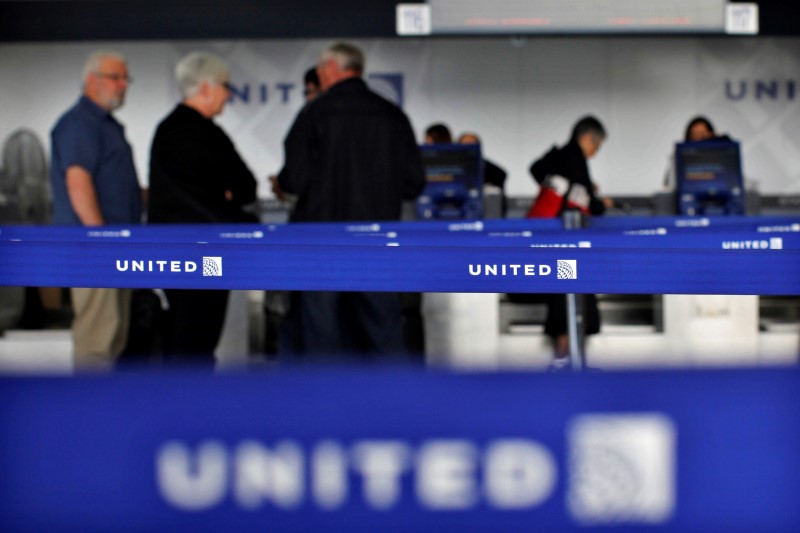
United Airlines CEO Scott Kirby said easing oil prices are improving the carrier’s path to fully recover higher fuel costs, and he is increasingly confident United can reach double-digit pretax margins next year. He added that demand remains strong and that the airline was previously on track to deliver double-digit margins this year before the Iran war pushed fuel prices higher. United also plans to equip its entire fleet with Starlink by next year, which Kirby said will be a major differentiator.
The key equity implication is not just cheaper fuel; it is a reset in the industry’s pricing algorithm. When the fuel shock fades, the carriers with the strongest loyalty ecosystems and best ancillary monetization can keep fares elevated longer than the rest of the group, because they no longer need to concede pricing simply to offset input costs. That makes the earnings delta more durable for the premium domestic players than for lower-quality airlines that were leaning on fare increases to defend margin during the spike. The second-order effect is that improving visibility on fuel should widen the valuation gap inside transport. If management teams start talking about margin recovery and buyback capacity in the same breath, the market will re-rate the sector on forward FCF rather than trailing fuel noise. That is especially relevant for airlines with cleaner balance sheets, because every incremental point of margin recovery has a larger impact on equity value when leverage is already declining. The contrarian risk is that the market may be too quick to extrapolate a full normalization in oil into a straight-line margin recovery. Airline P&Ls are lagged: hedging, booking curves, and fare resets mean the benefit arrives over months, while any renewed geopolitical disruption would hit headlines instantly. The upside case is real, but it is asymmetric only if crude stays contained through the next earnings cycle; otherwise, the equity reaction likely overstates the near-term earnings bridge. The technology angle is being underappreciated. A fleetwide premium connectivity rollout is not just a customer-experience story; it can support higher yield by reducing churn among business travelers and increasing monetization of premium cabins and loyalty. If this is executed on schedule, it becomes a multi-year differentiation lever that supports multiple expansion even if fuel merely normalizes rather than collapses.
AI-powered research, real-time alerts, and portfolio analytics for institutional investors.
Request DemoOverall Sentiment
mildly positive
Sentiment Score
0.38
Ticker Sentiment
