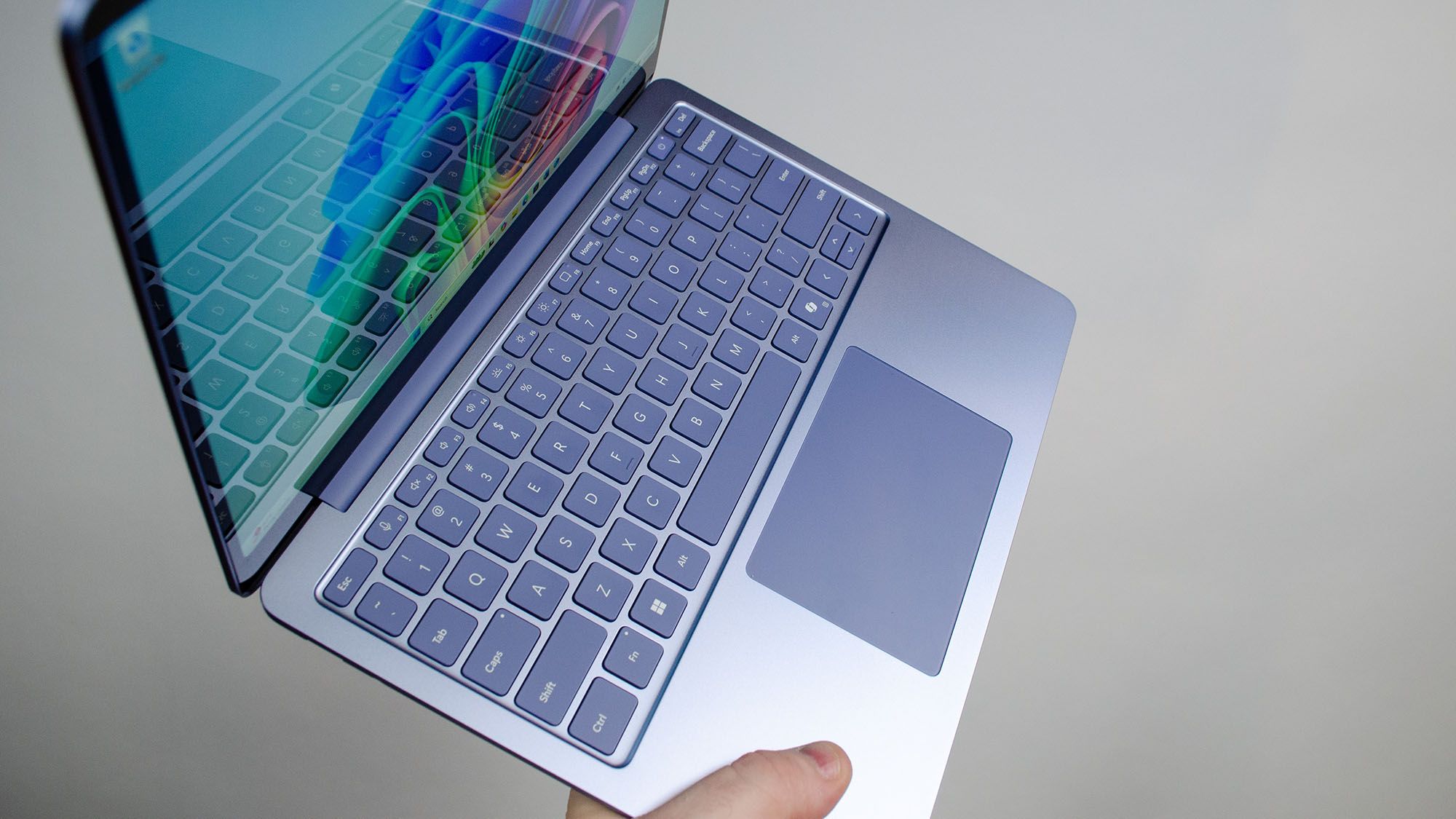
Microsoft’s next-gen Surface Pro and Surface Laptop are rumored to be delayed by about a month, potentially shifting launch timing from spring to June and possibly aligning with Microsoft Build 2026. The more concerning rumor is pricing: a leaker suggested the new devices could be so expensive that many buyers won't be able to afford them, reinforcing worries after Microsoft already raised existing Surface prices by as much as $500 in the US. The article is speculative, but it points to supply-chain pressure and weaker hardware economics rather than a confirmed product setback.
The market implication is less about one delayed product and more about Microsoft telegraphing that its PC hardware roadmap is becoming structurally less competitive on price/performance just as Windows OEMs need a refresh cycle. If the next Surface tier lands at a visibly higher ASP, Microsoft risks cannibalizing its own volume into Apple and premium x86/Arm Windows alternatives, while also putting incremental pressure on channel inventory and partner sentiment for the broader Windows ecosystem.
The bigger second-order read-through is supply-chain stress: this smells like constrained memory, board-level components, or margin protection rather than a clean product decision. That matters because any pricing reset to preserve gross margin can backfire on units, especially in the SMB and education cohorts where Surface has historically been a “good enough” premium option rather than a must-have brand.
For INTC, the delay is mildly negative near term because it postpones a possible design-win/refresh catalyst, but it is not yet evidence of lost socket share. The more important catalyst over the next 1-2 quarters is whether Microsoft chooses to synchronize Intel and Arm launches; a simultaneous release would reduce the usual “two-step” marketing benefit and could make Intel’s role look more tactical than strategic. For AAPL, this is a soft positive at the margin: if Surface pricing crosses into MacBook territory, the relative value proposition for Apple’s entry and mid-tier notebooks improves without Apple needing to change anything.
Consensus is likely overstating the importance of the rumor as a device story and underestimating the signal about Microsoft’s hardware execution discipline. If pricing really is pushed high enough to suppress demand, the market may start to discount a lower-quality Windows hardware mix more broadly, which could show up in OEM checks before it appears in Microsoft’s reported numbers. The key reversal would be a better-than-feared MSRP and a tighter launch window at Build; absent that, expect sentiment to remain a small but persistent drag over the next several months.
AI-powered research, real-time alerts, and portfolio analytics for institutional investors.
Request DemoOverall Sentiment
mildly negative
Sentiment Score
-0.25
Ticker Sentiment
