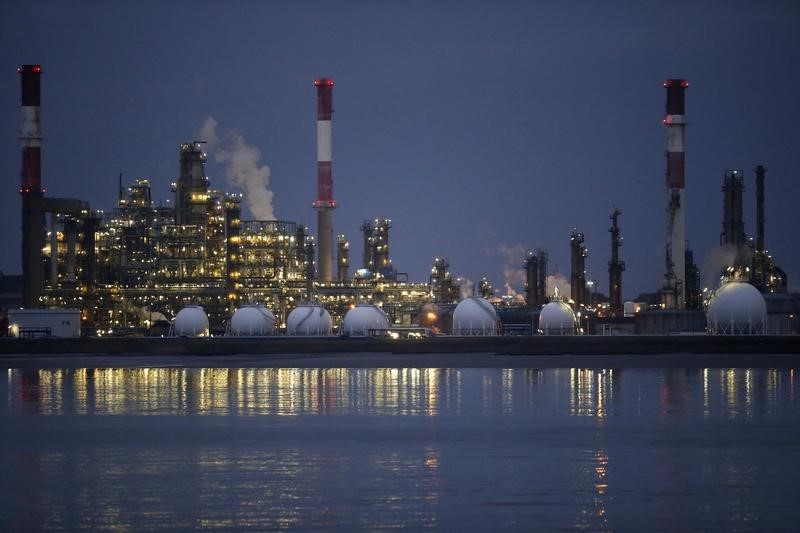
WTI crude for July rose 1.6% to $94.34 a barrel in early Asian trade, though it was still down about 6.6% for the week as markets weighed U.S.-Iran peace-deal hopes. The Strait of Hormuz remained closed, keeping global oil supply pressured, while mixed U.S. comments signaled some progress in talks but no confirmed agreement. The article points to elevated geopolitical risk and potential market-wide implications for energy and transport costs.
The market is still pricing this as a binary headline regime, but the more important setup is that a prolonged Hormuz disruption would reprice the entire energy logistics stack, not just crude. The first beneficiaries are not only upstream producers with exposure to spot realizations, but also tanker owners, marine insurers, and any business with pricing power tied to delivered barrels rather than benchmark prices. The loser set is broader than airlines and industrials: Asian refiners, European chemical producers, and any end-user relying on just-in-time feedstock inventories face margin compression before the full inflation impulse shows up in CPI.
The second-order risk is that a diplomacy-driven selloff in crude can be violently reversed by a single operational headline because the physical market has little buffer if flows through the chokepoint remain impaired. That means the path dependency matters more than the direction of talks: a temporary de-escalation can drag front-month oil lower, while deferred delivery risk keeps term structure and freight rates bid. In that regime, calendar spreads and vol become more attractive than outright directional crude exposure because spot can mean-revert on headlines while logistical bottlenecks persist for weeks.
Consensus is probably underestimating how asymmetric the downside protection is for long energy exposure if the peace narrative fails. The market is acting as if a deal is near-final, but the stated red lines imply a low-probability, high-impact failure mode that would force a repricing of inventory, shipping duration, and producer hedges simultaneously. Conversely, if talks do progress, the downside in oil may be limited by the need to rebuild inventories and restore transit confidence, so the first leg lower could be more contained than the recent weekly drawdown suggests.
AI-powered research, real-time alerts, and portfolio analytics for institutional investors.
Request DemoOverall Sentiment
neutral
Sentiment Score
0.05
