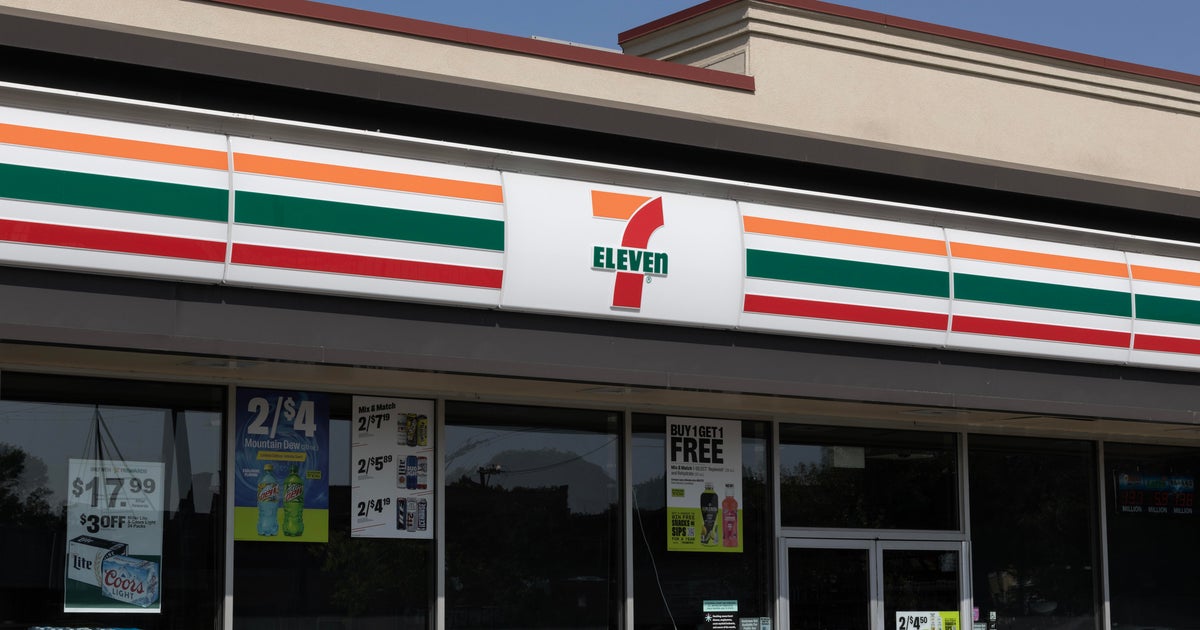
7-Eleven plans to close 645 North American stores in fiscal 2026, while opening 205, indicating a net store reduction as the chain converts some locations to wholesale fuel stores. The move reflects pressure from softer consumer spending, inflation, and lower foot traffic, with management also pointing to underperforming stores. Seven & i is simultaneously guiding to a 9.4% revenue decline this fiscal year, underscoring a cautious outlook for the convenience retail business.
The cutback reads less like a cyclical cleanup and more like a capital allocation reset: management is effectively harvesting low-return physical sites and redirecting capacity toward a higher-throughput wholesale fuel model. That is bullish for asset efficiency over the next 12-24 months, but it also implies the legacy convenience format is under more pressure than the market has likely modeled — especially in low-income catchments where basket size is shrinking and traffic is becoming more elastic to fuel and food inflation.
Second-order, the biggest beneficiaries are likely not other c-stores but adjacent formats with better density economics: dollar stores, quick-service restaurants with strong breakfast/lunch offers, and delivery/logistics partners if 7NOW remains a real growth lever. The wholesale-fuel conversion also suggests a willingness to defend site-level economics by simplifying labor and inventory complexity; that tends to help margin stability, but it can create a transient drag from closure costs and lease exits over 2-3 quarters.
The consensus risk is that investors may overread this as a one-off restructuring when it is actually an early signal that traffic softness is broadening beyond discretionary convenience purchases. If fuel prices stay elevated, there is a near-term offset from higher nominal sales, but that benefit is noisy and can reverse quickly if demand destruction or policy-led energy relief hits. The more durable catalyst would be evidence that fresh food and delivery investments are lifting same-store sales at surviving locations; absent that, the store base is probably still too large for the current demand mix.
Contrarian take: the market may be too focused on closure count and not enough on what gets left behind. If the company is pruning the weakest 5%-10% of stores, headline negatives could mask a meaningful uplift in fleet productivity and operating leverage into fiscal 2027. But if closures are merely a response to an accelerating volume decline, this becomes a warning sign for the entire convenience channel, not just one operator.
AI-powered research, real-time alerts, and portfolio analytics for institutional investors.
Request TrialOverall Sentiment
mildly negative
Sentiment Score
-0.35
