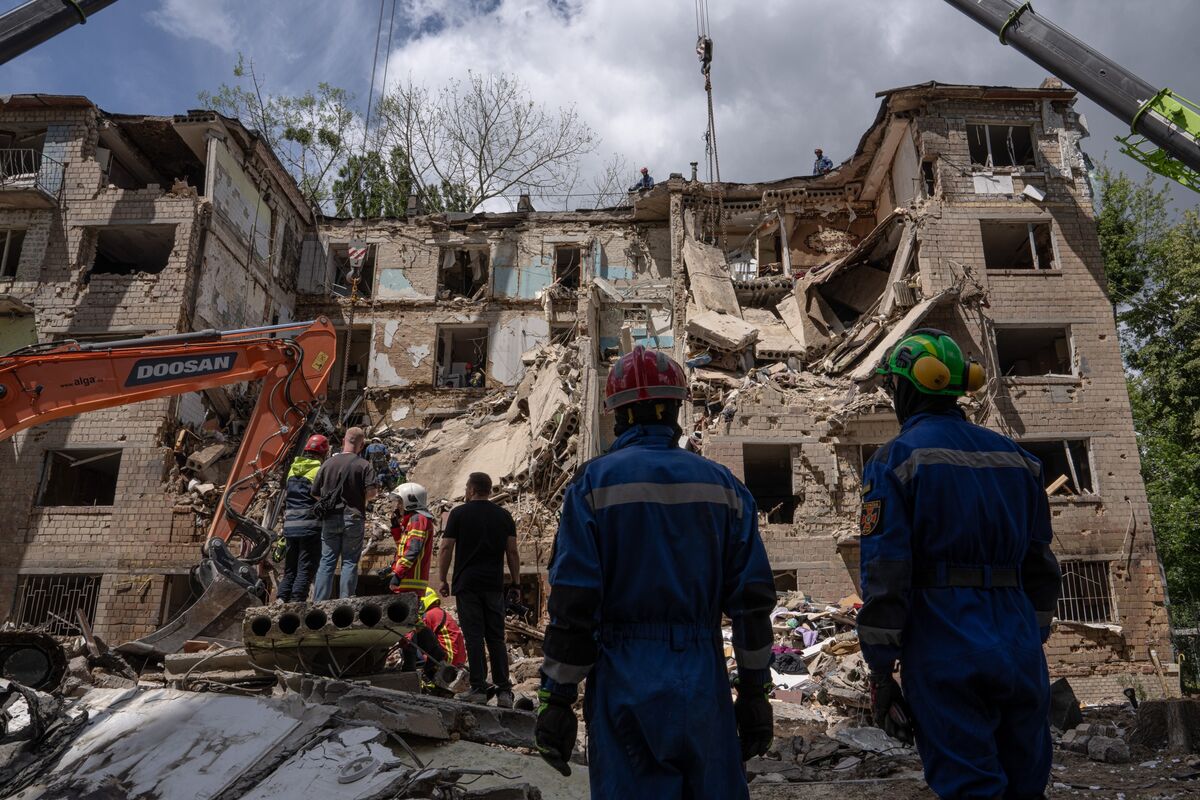
The Trump administration's decision to halt certain air-defense weapon shipments to Ukraine is facing significant scrutiny from lawmakers, former diplomats, and experts. Critics argue this move risks prolonging the conflict with Russia and leaves Ukraine more vulnerable to missile and drone attacks, while also disputing the administration's claim of low US stockpiles, noting the weapons were not urgently needed elsewhere and were already en route. This development has immediate implications for Ukraine's defense capabilities and the broader geopolitical landscape of the war.
The Trump administration's decision to halt the supply of specific air-defense weapons to Ukraine is under significant scrutiny from lawmakers and foreign policy experts. This policy change introduces a material increase in geopolitical risk, as critics argue it could prolong the war with Russia and leave Ukraine more vulnerable to missile and drone attacks. The administration's official rationale, citing low US stockpiles, is being actively challenged; opponents contend that the specific weapons systems are not urgently required for other deployments and were already allocated and in transit. This development injects uncertainty into the stability of US foreign policy and military aid commitments, directly impacting the security landscape in Eastern Europe and reflecting the pessimistic sentiment and moderate market impact identified in the signals.
AI-powered research, real-time alerts, and portfolio analytics for institutional investors.
Request DemoOverall Sentiment
moderately negative
Sentiment Score
-0.50
