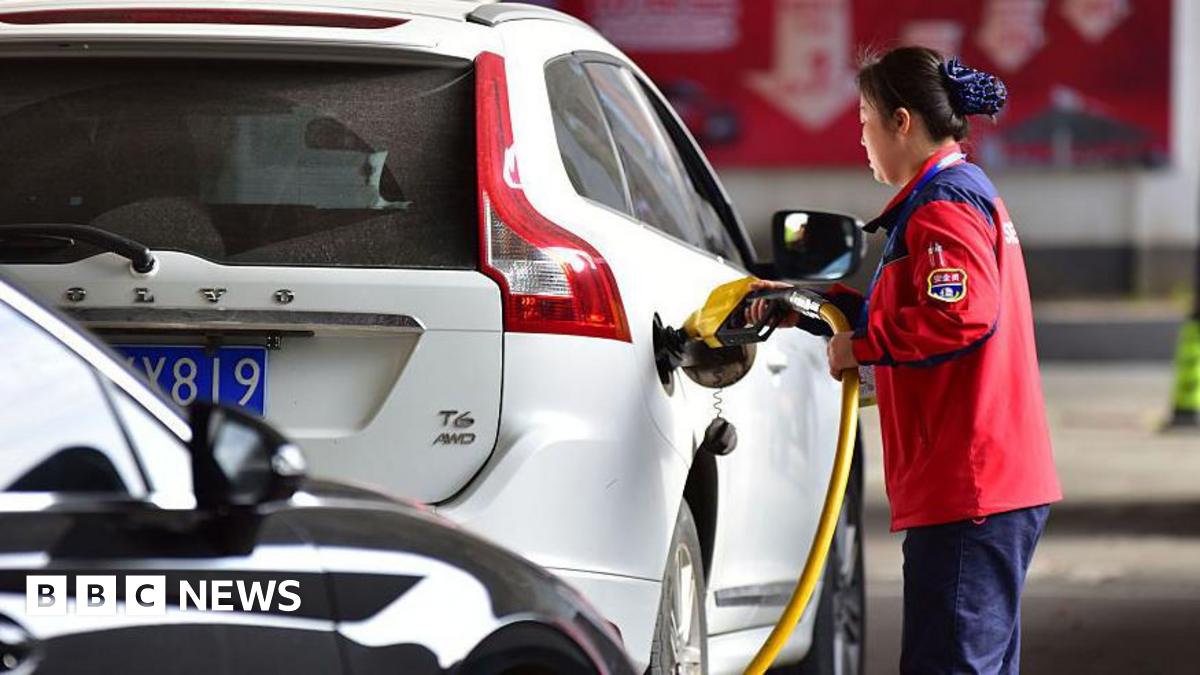
Brent crude hit $126.31 a barrel, its highest since 2022, after reports the US military is preparing new Iran options and the Strait of Hormuz remains effectively closed. The move is feeding broader inflation risks, with UK petrol at 157p a litre and diesel at 188.5p, while analysts warn costs could stay elevated into next year. Asian equities fell and European markets were mixed as investors priced in a higher probability of prolonged energy-supply disruption.
The immediate market signal is less about spot oil and more about the repricing of tail risk in the forward curve. When geopolitics moves from rhetoric to contingent military planning, the market starts paying for optionality: calendar spreads should steepen, prompt barrels should outpace deferred contracts, and implied vol in energy equities will likely stay bid even if headline crude retraces. That creates a cleaner opportunity in derivatives than in outright futures, because the next move is more likely to be a series of gaps than a smooth trend.
The biggest second-order winners are not just upstream producers, but anyone with low-cost physical optionality and inventory leverage: refiners with captive crude supply, pipeline/logistics assets with contractual throughput, and select LNG/shipping names if route disruption persists. The losers are highly exposed end-users with weak pass-through power: airlines, trucking, chemicals, and food inputs via fertilizer/feedstock inflation. Importantly, the inflation impulse is lagged; the first-order pain shows up in margins over the next 1-2 quarters, while CPI/PPI effects can persist into next year if the Strait remains intermittently constrained.
The consensus may be underestimating how quickly policy response can cap the upside. A move toward the mid-$120s in Brent raises the odds of emergency diplomacy, strategic releases, and commercial demand destruction from Asia, any of which can break momentum within days to weeks. But if the waterway disruption becomes structural, this stops being a crude story and becomes a global growth shock, with tighter financial conditions and weaker transport demand the more durable macro trade.
Contrarian angle: the long crude trade is crowded, but the better expression may be long volatility and relative value, not outright beta. The market is pricing a headline-driven spike, yet the larger alpha could come from under-owned beneficiaries of sustained shipping/freight rerouting and from shorting the most energy-sensitive transport names on any relief rally.
AI-powered research, real-time alerts, and portfolio analytics for institutional investors.
Request DemoOverall Sentiment
strongly negative
Sentiment Score
-0.75
