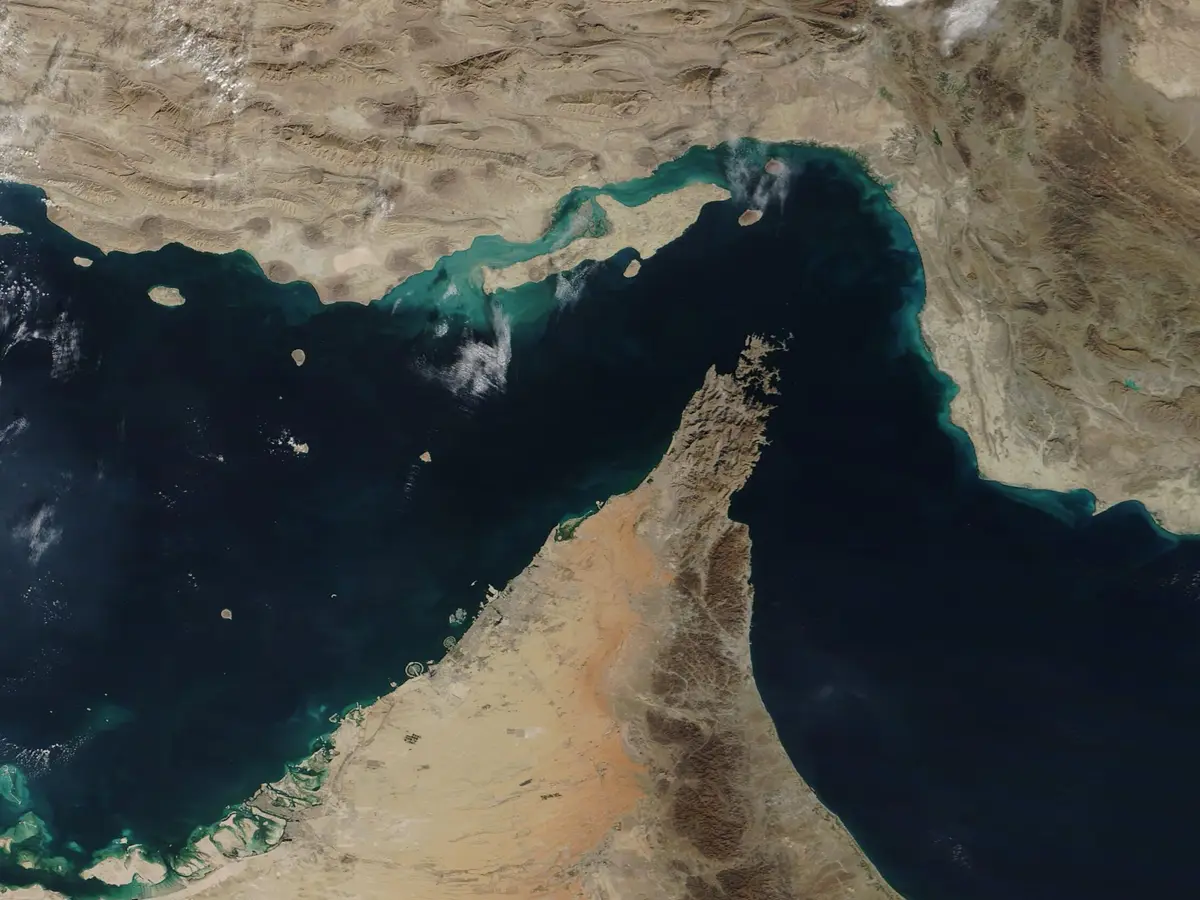
Iran said the Strait of Hormuz was "completely open" for commercial vessels after a 10-day Israel-Lebanon ceasefire, while Trump posted repeated claims about the waterway and Iran's mine removal efforts. The exchange underscores heightened geopolitical noise around a critical global energy chokepoint, with potential implications for oil shipping and broader risk sentiment. However, the article is dominated by social media sparring and cannot independently verify the claims.
The market should treat this less as a routing event and more as a credibility test for shipping, insurance, and energy risk premia. Even when flows normalize, headline-sensitive freight and war-risk insurance tend to lag for weeks, so the immediate winner is often not crude itself but the supply-chain hedges embedded in tanker rates, marine insurance, and gasoil spreads. The bigger second-order effect is that Gulf exporters and Asian importers are incentivized to keep spare inventory longer, which quietly raises working-capital demand and can pressure refiners and distributors before it ever shows up in outright barrels.
The key setup is that physical disruption risk is binary while price response is nonlinear: crude can stay contained if vessels pass, but options skews, freight forwards, and refined-product cracks can remain elevated because desks hedge against a low-probability, high-consequence closure replay. That argues for looking beyond spot Brent and toward instruments that monetize volatility persistence. Defense and ISR beneficiaries are also more interesting than headline oil names, because even a brief scare extends procurement urgency for maritime surveillance, missile defense, and anti-drone systems across the Gulf and Europe.
The contrarian read is that this may actually reduce near-term disruption risk by creating a political off-ramp: once both sides claim symbolic wins, market access can normalize faster than consensus expects. If so, the expensive trade is chasing a crude spike after the first move; the better risk/reward is fading the tail once shipping rates fail to reprice higher on a rolling 1-2 week basis. Over the next 1-3 months, the most durable impact may be on volatility, not direction, unless rhetoric is followed by visible interdictions or insurance exclusions.
AI-powered research, real-time alerts, and portfolio analytics for institutional investors.
Request DemoOverall Sentiment
neutral
Sentiment Score
-0.10
