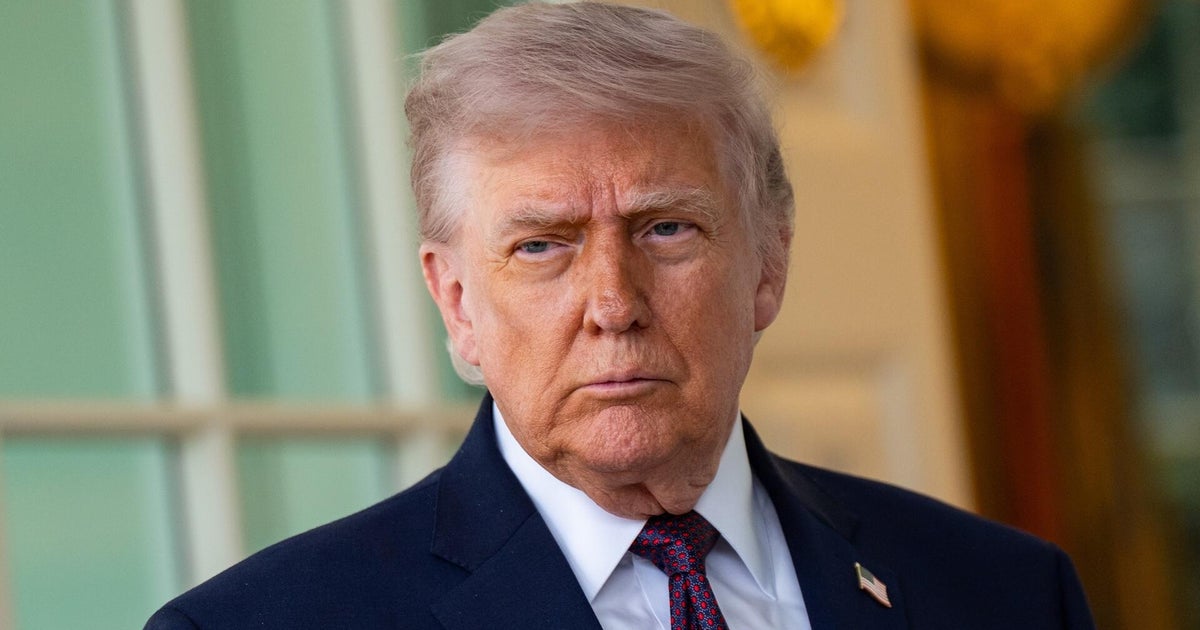
Trump said Iran has "agreed to everything," including removal of enriched uranium, and that there would be "no troops" involved, with U.S. and Iranian teams working together to retrieve and transfer the material to the United States. He also said Iran agreed to stop backing proxy groups such as Hezbollah and Hamas, while denying reports that the U.S. would pay $20 billion in frozen assets, saying "we are not paying 10 cents." The remarks point to a potentially significant geopolitical de-escalation, though the deal remains unannounced and talks are still ongoing.
The market is likely underpricing the asymmetry between a headline-friendly diplomatic breakthrough and the operational reality of verification. Even if a framework emerges, the first-order asset response should be modest outside of oil and regional defense suppliers, because the binding constraint is not rhetoric but the sequencing of inspections, removal logistics, and sanctions relief — a process that typically stretches from weeks into months. That means the near-term trade is less about a durable peace dividend and more about a temporary reduction in war-premium pricing across crude, defense beta, and select sanctions-sensitive credits.
The bigger second-order effect is on Iran’s bargaining leverage and the broader sanctions architecture. If Washington signals willingness to unwind frozen assets or tolerate partial compliance, it creates a template for negotiated sanctions relaxation that could spill into shipping, insurance, and commodity flows even before formal delisting. That is bearish for high-friction arbitrage winners and defense contractors, but bullish for firms with direct exposure to lower Middle East risk premia: airlines, refiners, and some EM sovereign and credit proxies that currently price in persistent disruption.
The key tail risk is not a deal failure, but a deal collapse after a market repricing. A short-dated rally in cyclicals and a quick fade in crude could set up a classic reversal if the weekend talks produce a vague communiqué rather than a binding mechanism. Conversely, if the administration couples rhetoric with actual enforcement relief, the longer-dated impact on oil could be larger than the initial move because traders will begin to price incremental barrels and lower geopolitical tail risk over 2-3 quarters.
Contrarian angle: consensus will likely fixate on whether the uranium stockpile is removed, but the economically important variable is whether proxy funding truly stops and whether enforcement loosens at the margin. If proxy activity simply migrates into lower-visibility channels, the market may misread a tactical pause as structural de-escalation. That makes the best risk/reward setup a fade of the immediate headline pop in oil and defense after confirmation that talks continue without hard verification language.
AI-powered research, real-time alerts, and portfolio analytics for institutional investors.
Request TrialOverall Sentiment
neutral
Sentiment Score
0.10
