
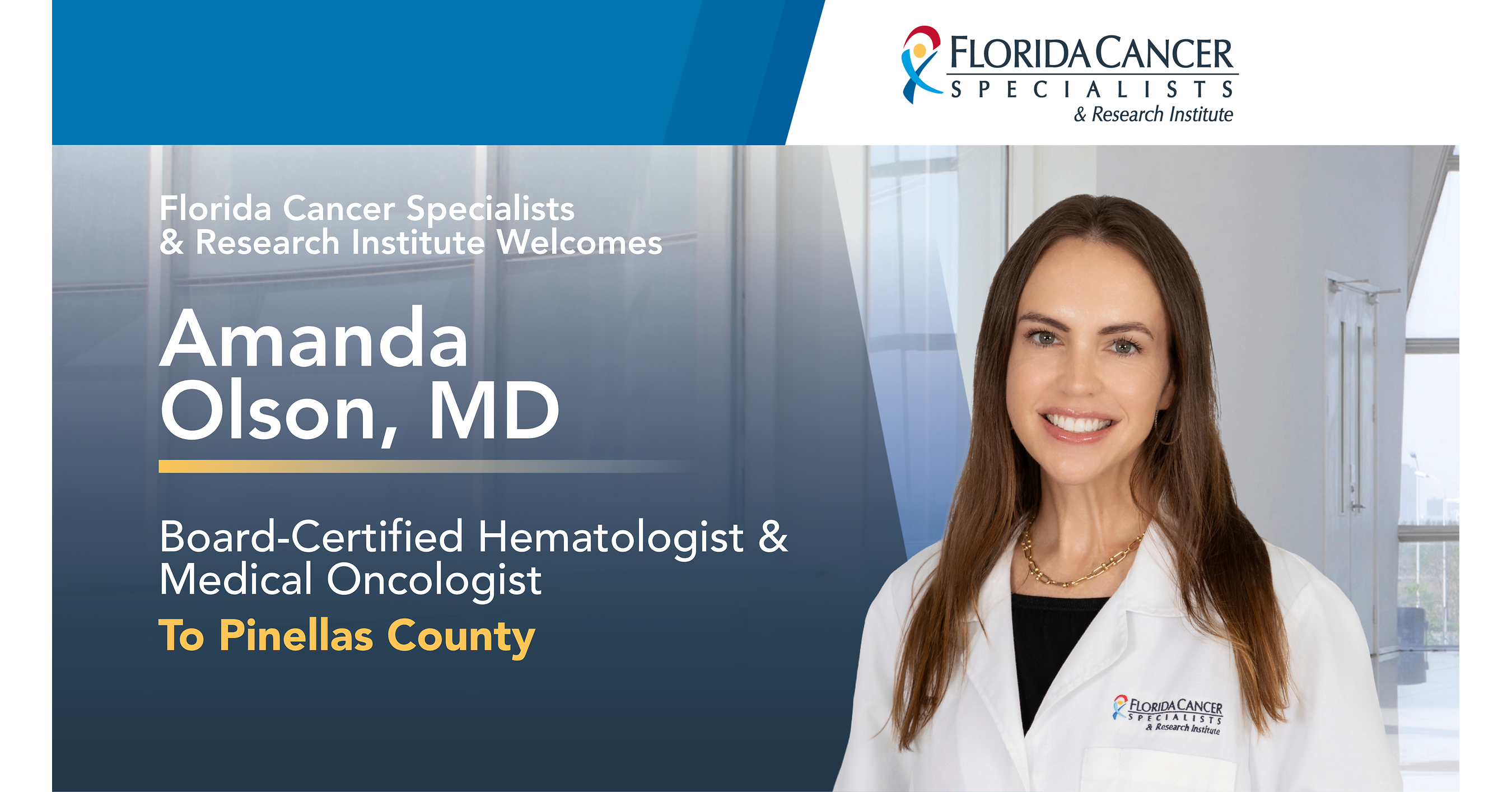
Florida Cancer Specialists & Research Institute (FCS) named Amanda Olson, MD as Medical Director of Late-Phase Research effective July 15, 2026, strengthening its leadership in cellular therapies and stem-cell transplantation. The release emphasizes FCS’s clinical-trials footprint—more than 150 trials across 30 clinics and two early-phase drug development units in Florida—and cites a high volume of active trials (>180 per year). Overall, this is a positive capability/strategy update, but it is unlikely to materially move markets given the lack of financial or regulatory outcomes.
This is a capability signal, not a revenue event. In oncology services, the economic value is less about one clinician and more about whether the site network can win sponsor protocols, enroll faster, and keep late-phase studies out of academic centers; if that improves, the benefit accrues to the operator’s trial mix and referral stickiness over 6-18 months, not this quarter. The immediate equity implication is likely negligible for public markets unless it foreshadows a broader hiring wave or new sponsor relationships.
Second-order, the more relevant winners are the outsourced trial infrastructure names and drug developers that need distributed enrollment: Medpace (MEDP), ICON (ICLR), IQVIA (IQV), and eventually large pharma with heavy hematology/cell-therapy pipelines. The potential loser set is hospital-based oncology programs and academic centers that lose low-acuity late-phase volume, plus any regional competitors that cannot match the investigator depth or cell-therapy credibility needed for complex protocols. If FCS keeps adding MDs with this profile, it can pull more research dollars and patients into community settings, which compresses the moat of weaker local oncology groups.
The contrarian view is that the market may be over-interpreting a normal senior-hire press release as a growth catalyst. For this to matter financially, we need evidence of protocol wins, enrollment growth, or a change in trial mix toward higher-value cellular therapy studies; absent that, this is mostly a signal that management is trying to defend and modestly expand its research franchise. The falsifier is simple: if over the next 2 quarters FCS does not show higher active late-phase trial counts, faster enrollment, or additional research hires, the thesis dies.
AI-powered research, real-time alerts, and portfolio analytics for institutional investors.
Request TrialOverall Sentiment
mildly positive
Sentiment Score
0.12
Ticker Sentiment
Time horizon matters: no immediate trade on the headline; any value creation is months to years. The main risk is that late-phase oncology research remains capital-light but operationally messy, so added headcount doesn’t translate into incremental economics unless sponsor demand is there; in a softer biotech funding environment, trial volumes can decelerate even with strong sites. Also watch for reimbursement or site-fee pressure that could offset any mix improvement.
