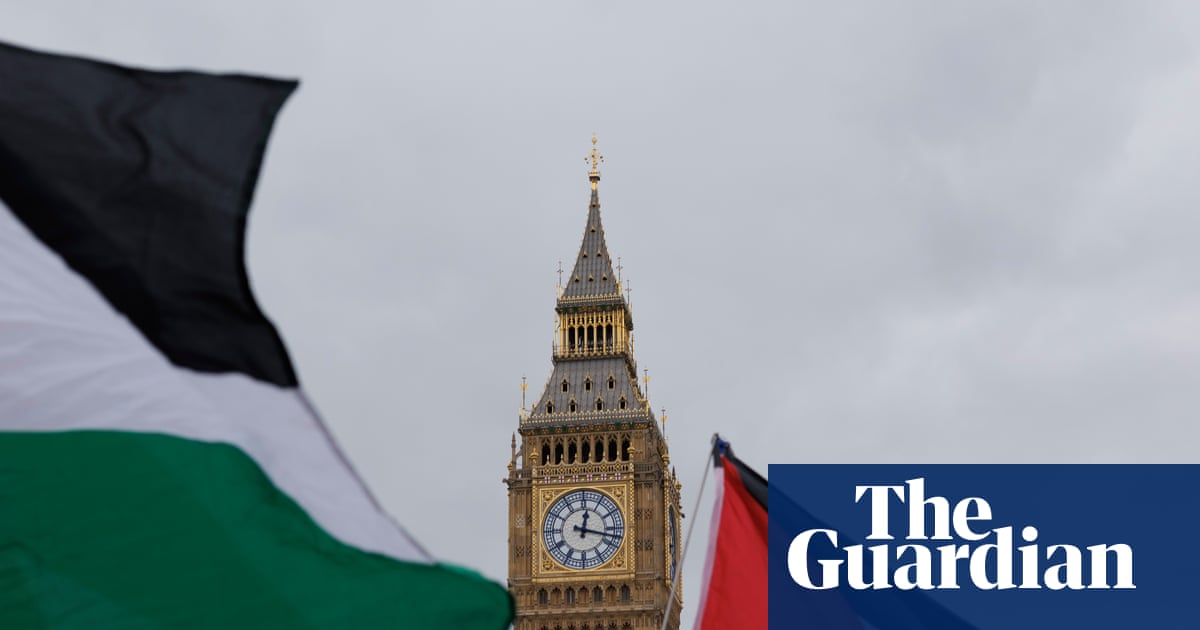
The UK, Canada, and Australia, among other nations, have formally recognized the state of Palestine, a move largely symbolic and intended as a rebuke to Israel and the United States while supporting a two-state solution. While this coordinated action is significant, experts indicate it is unlikely to immediately alter the conflict's trajectory or establish practical sovereignty, with concerns about potential Israeli retaliation and limited immediate consequences on the ground. The decision, criticized by Israel as a 'reward for terrorism' and by some Palestinians as an 'empty gesture,' aims to exert pressure for future peace frameworks and may increase international responsibility to address ongoing occupation.
A coordinated diplomatic shift by the UK, Canada, Australia, and several EU nations to formally recognize the state of Palestine marks a significant, though largely symbolic, rebuke of Israeli and US policy. Expert analysis, cited from Burcu Ozcelik of RUSI, indicates the move has limited immediate practical impact, with a notable "mismatch between the rhetoric of recognition and the reality on the ground." The decision will not alter the ongoing conflict, establish sovereign borders, or grant full UN membership due to a US veto, and has been met with condemnation from Israel as a "reward for terrorism" and skepticism from some Palestinians who see it as an "empty gesture." The key uncertainty is whether this increased diplomatic pressure will translate into tangible actions, such as deterring Israeli annexation in the West Bank. Separately, the UK government's approval of Gatwick airport's £2.2bn second runway highlights a direct conflict between infrastructure growth and environmental policy, with critics calling the move a "disaster" that ignores climate science, signaling future ESG-related friction. In the media sector, Donald Trump's statement that the Murdochs will "probably be involved" in a US TikTok acquisition, likely through Fox Corporation, introduces a speculative but potentially significant catalyst for the company, contingent on navigating a complex political and regulatory environment. Finally, the interception of a Russian military aircraft by German jets over the Baltic Sea reaffirms the persistent background geopolitical risk emanating from NATO-Russia tensions.
AI-powered research, real-time alerts, and portfolio analytics for institutional investors.
Request DemoOverall Sentiment
Neutral
Sentiment Score
0.00
Ticker Sentiment
