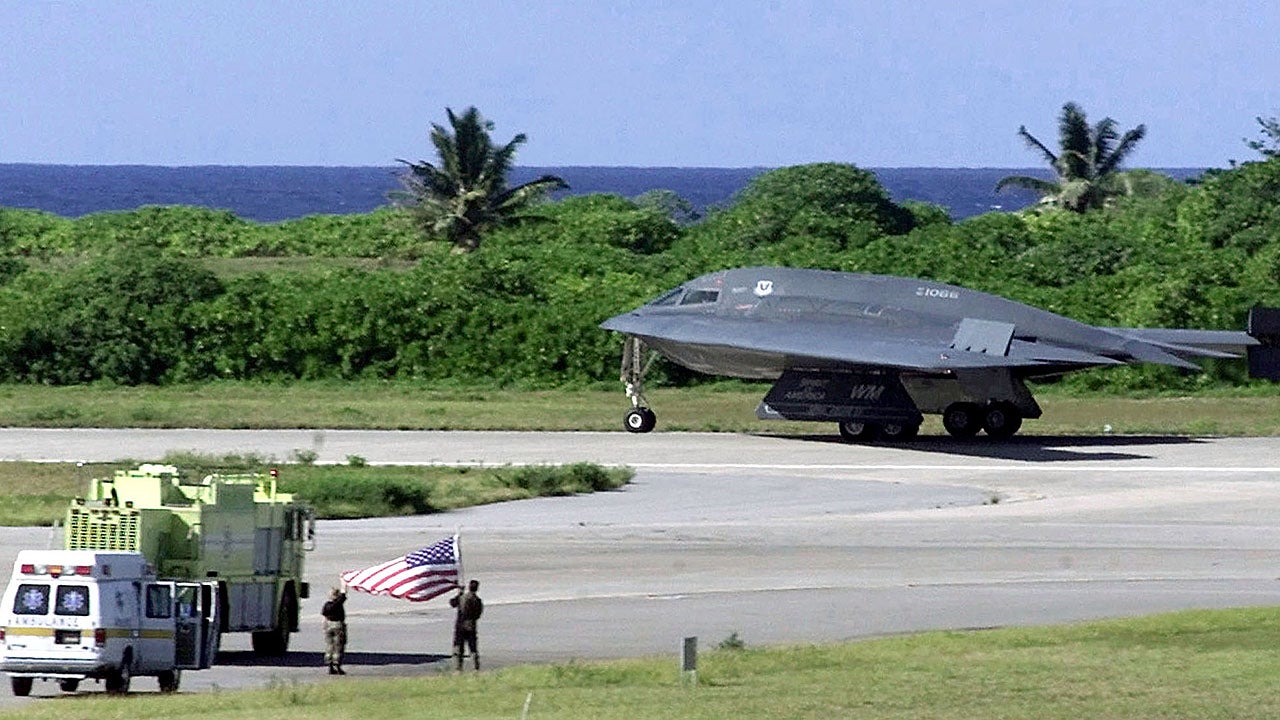
Iran fired two intermediate-range ballistic missiles toward Diego Garcia (~2,500 miles from Iran); one missile failed in flight and a U.S. warship launched an SM-3 interceptor at the other (interception outcome unclear). The UAE said its defenses engaged 3 ballistic missiles and 8 UAVs Saturday and reported total engagements since the campaign began of 341 ballistic missiles, 15 cruise missiles and 1,748 UAVs; Iran also reported an airstrike on the Natanz nuclear facility with no reported radiation leak. The strikes and expanded Iranian reach toward a major U.S. strategic hub mark a significant escalation that could pressure oil markets and boost defense-sector bids, so position portfolios with a risk-off bias and monitor energy and defense exposures.
The strategic envelope for regional actors has demonstrably grown, forcing a step-change in force posture, ISR coverage and logistics routing across the Indian Ocean littoral. That raises recurring O&M and sortie-duration costs (we model a 5–12% lift in fuel and transload spend for forward-deployed air and naval taskings) and compresses response elasticity — a structural tailwind for contractors with missile-defense interceptors, long‑range ISR and sustainment franchises over the next 6–24 months.
Commercial second-order impacts will show up first in risk premia: marine insurance and freight surcharges reprice within days, port/liner schedules reroute within weeks, and commodity delivery spreads widen as shippers add voyage buffer days. Energy markets are most sensitive in the near-term (days–months) because logistical friction and precautionary buying create asymmetric upside spikes, while durable defense procurement and inventory replenishment drive revenue recognition 2–12 quarters out for suppliers of interceptors, kinetic munitions and persistent surveillance.
Catalysts that could unwind these pressures are clear: a credible, rapid degradation of adversary strike nodes, negotiated de‑escalation, or an operational demonstration that forward hubs remain invulnerable — any of which would deflate risk premia within 30–90 days. Conversely, a prolonged tit-for-tat that bleeds intercept inventories and forces permanent basing changes would reroute meaningful capex into missile defense and logistics modernization, supporting multi-quarter alpha in select contractors and specialist service providers.
AI-powered research, real-time alerts, and portfolio analytics for institutional investors.
Request DemoOverall Sentiment
strongly negative
Sentiment Score
-0.80
