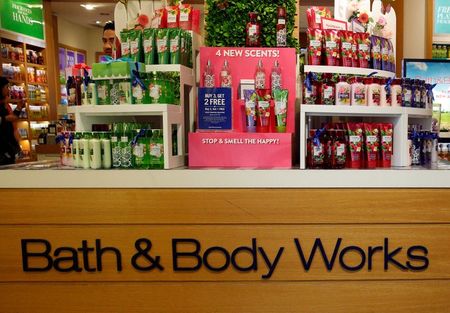
Bath & Body Works beat Q1 expectations with adjusted EPS of $0.32 versus $0.29 consensus and revenue of $1.4 billion versus $1.36 billion, sending shares up about 15% premarket. However, sales still fell 3% year over year and Q2/full-year guidance remains cautious, with Q2 EPS of $0.20-$0.25 and full-year EPS of $2.40-$2.65, both implying continued declines in revenue. The company also announced CFO Eva Boratto will step down June 12, with Tom Javitch serving as interim CFO.
The market is rewarding the cadence of stabilization, not the absolute level of performance. The key second-order readthrough is that a modest beat plus maintained full-year profitability suggests the brand is still generating enough cash to buy time for a reset, which matters more than near-term sales slippage in a high-multiple discretionary name. The CFO transition is the more important signal: in consumer turnarounds, finance leadership changes often precede either a more aggressive cost program or a strategic review, both of which can support the stock if execution stays intact. The bigger competitive implication is that BBWI’s pricing and merchandising actions may be working better than feared, which pressures adjacent mall and specialty retailers with similar traffic profiles. If hero-category optimization is gaining traction, the next incremental winner is likely gross margin durability, not top-line acceleration, meaning competitors chasing traffic with discounting could lose operating leverage first. That creates a favorable setup for names with stronger balance sheets and cleaner inventory positions versus those still dependent on promotional traffic. The contrarian miss is that guidance is still pointing to a low-growth to negative-growth year, so this is not yet a fundamental inflection, just a de-risking of the downside. The stock can keep rerating for several weeks if management repeats the “early traction” narrative, but the move is vulnerable over 1-2 quarters if the consumer backdrop softens or if the CFO change creates execution noise. The most likely reversal catalyst is not one bad quarter, but evidence that the brand reset is improving sentiment without changing purchase frequency. On balance, this is a tradable relief rally rather than a clean long-term compounder re-entry. The setup favors tactical longs on weakness with defined risk, while anyone already long should treat the current bounce as an opportunity to reduce exposure into strength rather than chase a full position expansion.
AI-powered research, real-time alerts, and portfolio analytics for institutional investors.
Request DemoOverall Sentiment
mildly positive
Sentiment Score
0.25
Ticker Sentiment
