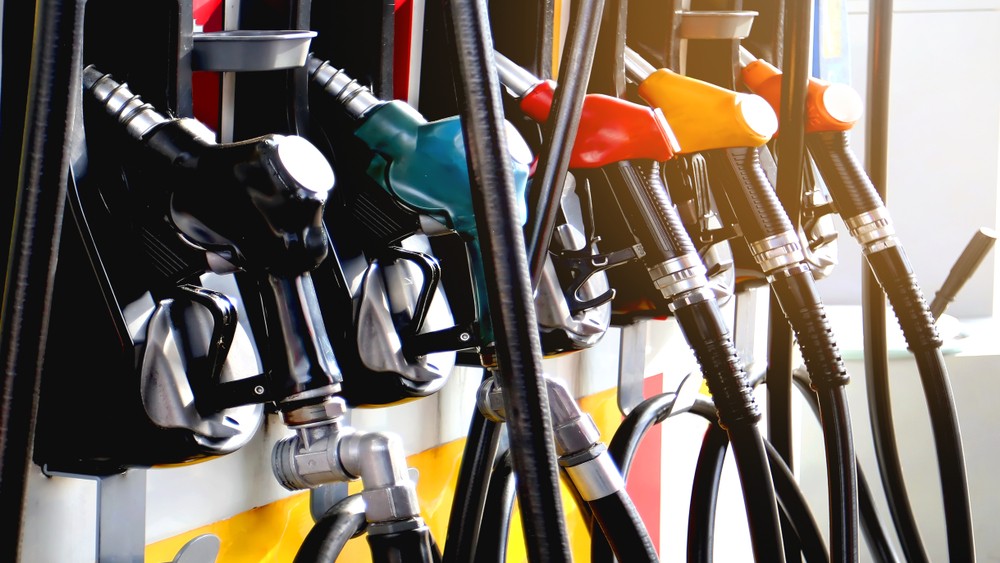
India's state-owned fuel retailers raised pump prices for the fourth time in a month, bringing the cumulative increase to 8.6% for diesel and 7.8% for gasoline as the Strait of Hormuz disruption continues to squeeze oil flows. India's oil import bill rose from $12.1 billion in March to $18.6 billion in April, a 53% jump, while wholesale inflation accelerated to 8.3% in April from 3.88% in March. The article points to worsening cost pressures, a weaker rupee, and higher fuel prices for consumers and businesses.
India is facing a classic imported-stagflation setup: higher crude prices hit both the current account and domestic freight/fuel inflation before consumers fully adjust, which typically compresses real discretionary spending with a 4-8 week lag. The bigger second-order risk is that the currency weakness becomes self-reinforcing—higher import costs feed USD demand, and a weaker rupee then mechanically raises the local-currency oil bill even if Brent stalls. That makes the pain asymmetric: the macro damage can continue even if the geopolitical shock stops worsening.
The near-term beneficiaries are not just global producers but also logistics and transport firms outside India with less fuel-pass-through discipline, since India’s price hikes can reset regional freight benchmarks and widen operating-cost dispersion. Within India, upstream and refining-linked balance sheets are protected only if product pricing can keep up; otherwise the margin squeeze shifts from consumers to state-owned downstreams, which tend to absorb volatility first for political reasons. That creates a hidden credit and equity risk in entities with high regulated exposure and weak pricing power.
Consensus is likely underestimating the duration of inflationary pass-through. Fuel conservation measures can slow demand growth, but they do not resolve the imported-cost problem; in the next few months, the key variable is whether alternative supply routes and inventory buffering reduce dependence enough to stabilize landing costs. If not, expect policymakers to face a choice between tighter domestic price controls and allowing inflation to bite—either path is bearish for consumer sentiment, but price controls are worse for downstream earnings.
The contrarian view is that the market may be overpricing immediate demand destruction. India has shown a high tolerance for fuel inflation when global growth is intact, and a weaker currency can partially offset nominal consumption declines by boosting export competitiveness in selected sectors. The real risk is not a collapse in fuel volumes, but a prolonged margin transfer from households and non-energy corporates into the energy complex and sovereign macro accounts.
AI-powered research, real-time alerts, and portfolio analytics for institutional investors.
Request DemoOverall Sentiment
moderately negative
Sentiment Score
-0.45
