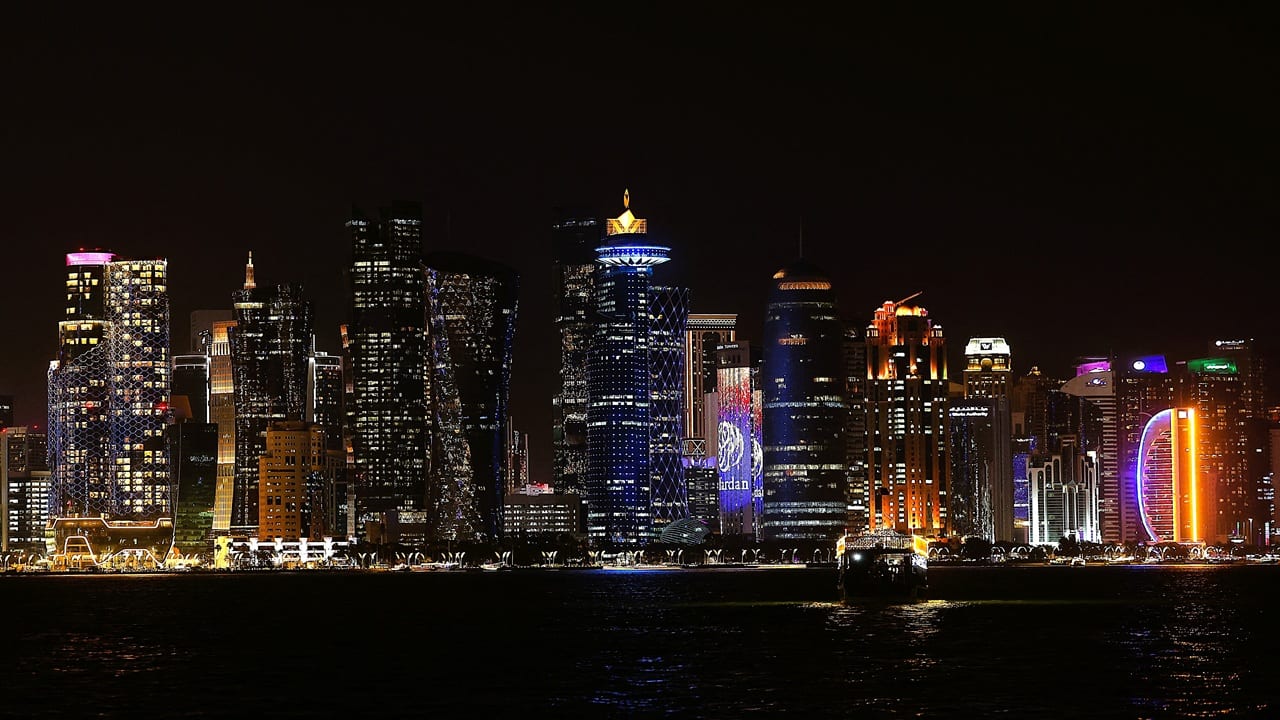
Qatar’s economy is facing a severe shock as the Strait of Hormuz closure has effectively blocked LNG exports for more than two months, with QatarEnergy said to have lost billions and each additional day costing hundreds of millions in lost revenue and shipping income. The IMF now expects Qatar’s GDP to contract 8.6% this year, while missile strikes have reduced production capacity by about 17% and damaged key infrastructure at Ras Laffan. The disruption is also hitting tourism, food supply chains and investor confidence, though large sovereign wealth reserves still provide a substantial buffer.
The immediate market implication is not just Qatar-specific stress, but a forced repricing of reliability premia across the Gulf LNG complex. When a single chokepoint becomes the binding constraint, buyers start valuing optionality over spot pricing, which should support longer-dated LNG contracts, floating storage economics, and any infrastructure that reduces route concentration risk. That creates a relative winner set in jurisdictions with bypass capacity or diversified export routes, while Qatar’s marginal disadvantage can persist for quarters even if hostilities de-escalate.
The second-order loser is not only Qatari sovereign cash flow; it is the ecosystem built around high foreign-worker density and imported consumption. If expats pause relocation, discretionary retail, hospitality, and office leasing can weaken faster than headline GDP because these segments depend on confidence, not just liquidity. That matters for regional peers too: Dubai and Abu Dhabi may see a short-lived spillover from diverted capital and travel, but they also inherit the broader risk-off halo if investors start demanding a geopolitical discount on Gulf assets.
The real tail risk is duration. A two-to-four week disruption is a margin event; a multi-month closure becomes a balance-sheet and labor-market event, forcing asset sales or deeper fiscal draws even with sovereign reserves intact. The key catalyst to watch is not just reopening of the strait, but whether damage to export and processing infrastructure requires a year-plus normalization, which would keep Qatar’s export capacity impaired and prolong pressure on energy-linked fiscal accounts.
Consensus may be underestimating how asymmetric the impact is between Qatar and substitute LNG suppliers. The market often prices LNG as a global commodity, but routing constraints turn it into a logistics asset; that should widen spreads for non-Qatari cargoes and support freight-sensitive names. Conversely, the bearish case may be somewhat overdone for the broader Qatar macro because reserves and subsidies can blunt inflation and payroll stress for longer than headlines imply, so this is more likely a growth shock than an immediate solvency crisis.
AI-powered research, real-time alerts, and portfolio analytics for institutional investors.
Request DemoOverall Sentiment
strongly negative
Sentiment Score
-0.82
Ticker Sentiment
