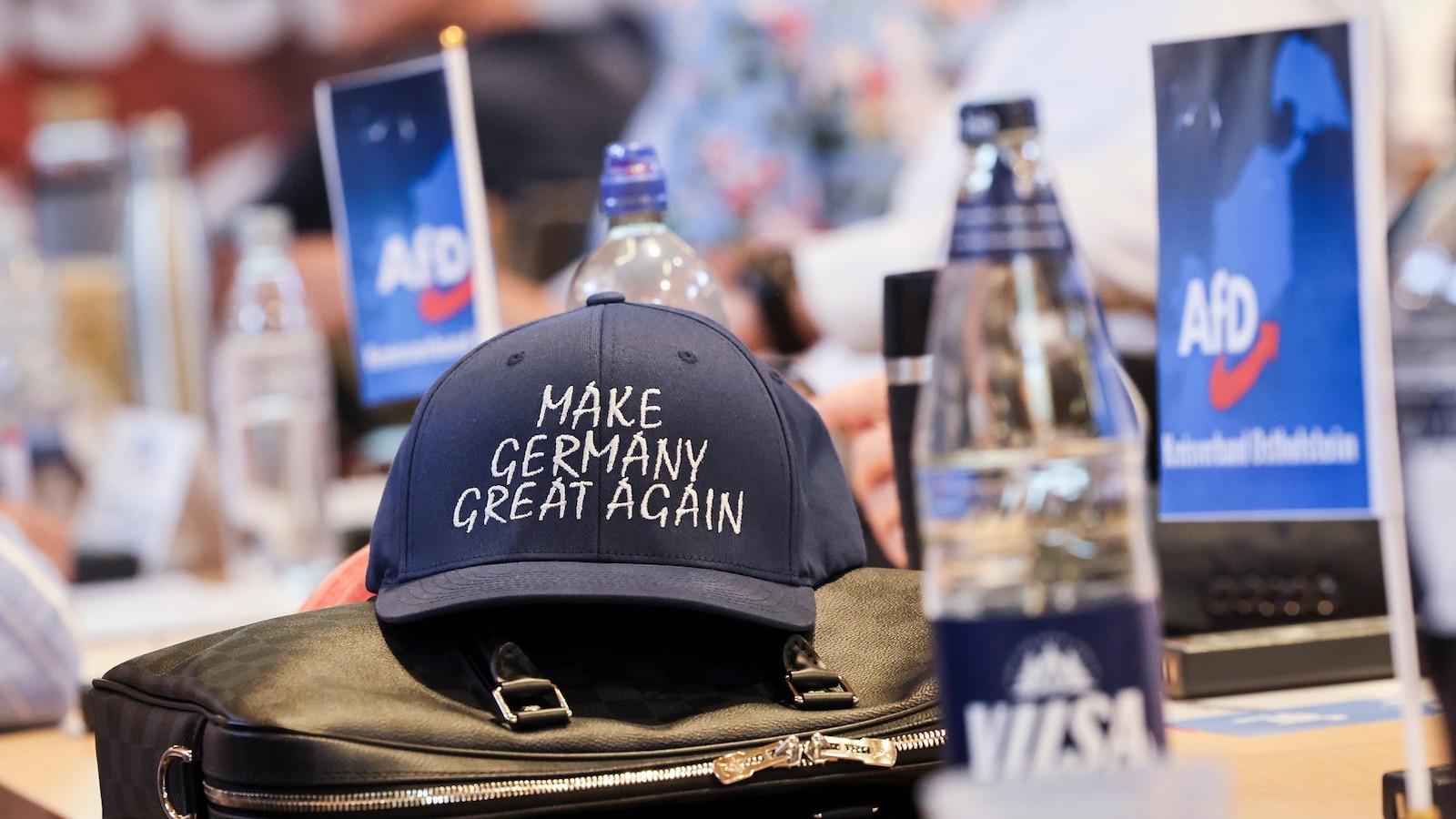
European far-right parties have largely refused to back the U.S.-Israeli war with Iran, despite pressure from the Trump administration and prior MAGA alignment efforts. Italy's Meloni blocked U.S. bomber refueling, France's Le Pen and Britain's Farage have both distanced themselves, and Germany's AfD rejected the operation. The article suggests the Iran conflict is exposing limits to Trump's influence in Europe and could widen political and economic uncertainty across the transatlantic alliance.
The market implication is not “Europe goes dovish”; it is that Trump’s external leverage over European coalition politics is proving far weaker than the White House narrative assumed. That matters because the administration’s Europe playbook depended on a feedback loop: geopolitical pressure plus populist sympathy translating into policy alignment, then into more permissive fiscal/security stances. The Iran episode breaks that loop and increases the probability that European right-wing leaders will quietly re-center on domestic cost-of-living politics, making them less usable as transmission channels for U.S. strategic preferences.
Second-order, this is mildly bearish for U.S. defense and Gulf-adjacent logistics in the near term, but more importantly it raises the discount rate on “managed escalation” assumptions. If European bases become politically constrained, the U.S. has to lean harder on a narrower set of assets, which increases operational strain and raises the odds of episodic supply shocks in shipping, air freight, and insurance. That tends to benefit quality balance-sheet defensives and select defense names with replenishment exposure, while hurting European airlines, Mediterranean transport, and cyclicals that are exposed to higher fuel and risk premia.
The bigger strategic read-through is that transatlantic populism is fragmenting precisely when it was supposed to compound. That is bad for investors betting on a durable right-wing policy regime across Europe, and it also suggests that any pro-U.S. election catalyst in Europe may now carry a higher reversal risk because association with Washington is turning toxic. In practice, the next 1-3 months are about sentiment and poll risk; over 6-12 months, the key variable is whether this geopolitical wedge bleeds into NATO burden-sharing, defense procurement, and sanctions enforcement.
The contrarian point is that this may be less a collapse of the MAGA-Europe project than a tactical pause driven by one unpopular war. If the conflict de-escalates quickly and energy prices stay contained, the anti-U.S. signal could fade fast and the relationship could revert to a transactional equilibrium. So the move is not to short Europe broadly, but to fade the narrow names most exposed to geopolitical premium compression and to own beneficiaries of renewed European rearmament and energy security spending.
AI-powered research, real-time alerts, and portfolio analytics for institutional investors.
Request DemoOverall Sentiment
mildly negative
Sentiment Score
-0.15
