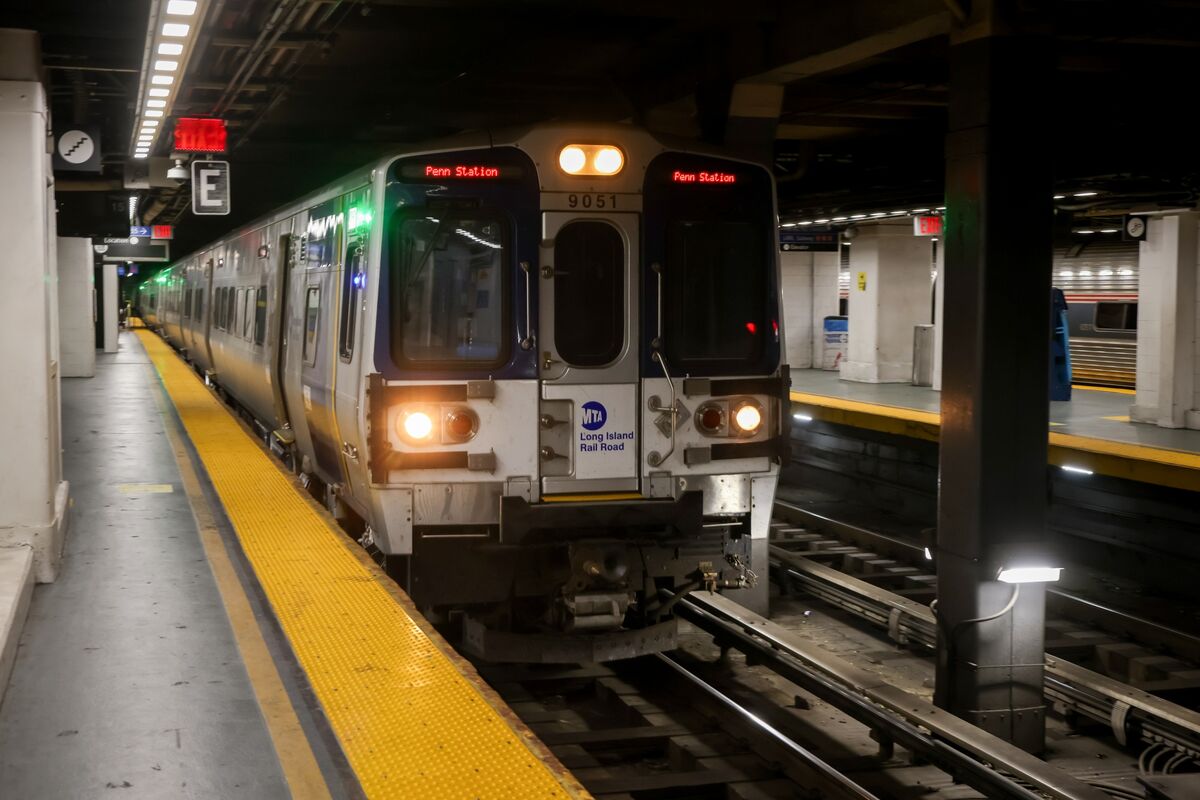
The MTA and five Long Island Rail Road unions remain deadlocked over cash payments versus wage increases, leaving the nation’s biggest commuter rail at risk of a shutdown as soon as Saturday. A strike becomes possible after Friday when the federal mediation cooling-off period expires. The dispute raises near-term disruption risk for commuters and transit operations, but the article does not indicate a financial resolution yet.
The immediate market impact is less about the rail operator itself and more about the knock-on cost to the regional economy if a shutdown extends beyond a few days. A strike would create a short, sharp disruption to labor supply into Manhattan, which tends to hit retail, hospitality, and office foot traffic first; the second-order risk is that employers and commuters permanently test substitutes, especially hybrid scheduling and alternative transit, eroding ridership elasticity even after a settlement.
The key catalyst window is measured in days, not months: once a shutdown begins, pressure to bridge the gap usually rises quickly, but the longer the outage lasts, the more credible it becomes as a bargaining tactic and the more economically disruptive it gets. The embedded risk is asymmetric because payroll timing and commuting patterns are highly concentrated; a 3-5 day stoppage can create enough operational pain to force concessions, but a protracted dispute would likely push the MTA toward less favorable labor economics and invite political intervention that caps upside for labor but preserves a higher-cost baseline for the system.
The more subtle read-through is to suburban mobility and local consumer names rather than pure transportation equities. Rail disruption tends to benefit ride-hailing, parking, and gasoline consumption marginally, but the bigger winner is any employer or retailer already leaning into remote/hybrid work because the strike validates lower daily commuting frequency. Over a 1-3 month horizon, the real trade is whether the event becomes a catalyst for structural ridership downgrades or just a temporary noise event; if settlement comes quickly, the market should fade the headline, but if negotiations harden, the incident could become a broader referendum on public transit reliability and wage inflation in infrastructure assets.
AI-powered research, real-time alerts, and portfolio analytics for institutional investors.
Request DemoOverall Sentiment
mildly negative
Sentiment Score
-0.35
Ticker Sentiment
