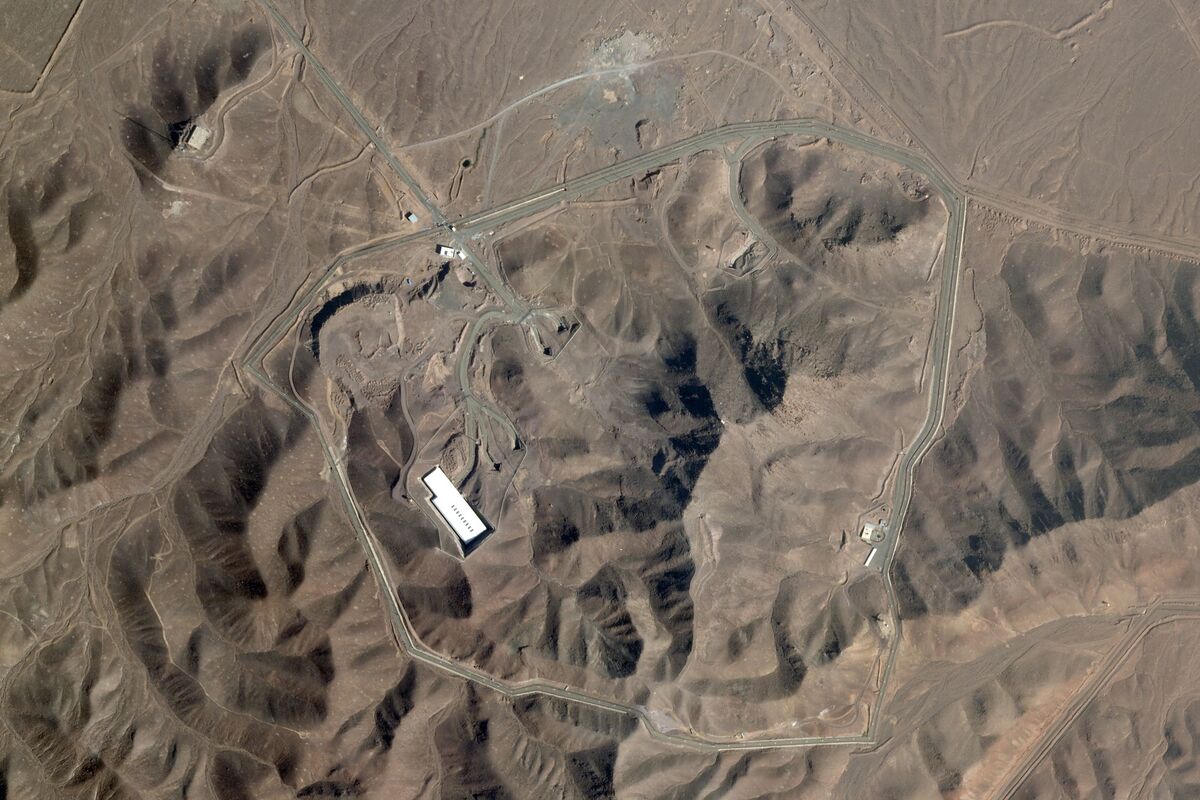
Experts are debating Israel's capacity to unilaterally disable Iran's Fordow uranium enrichment facility, a site considered critical due to its fortified underground location near Qom. The discussion arises as the world anticipates a decision from U.S. President Donald Trump regarding potential joint military action against Iran's nuclear program, with some analysts suggesting Israel lacks the necessary military assets, such as heavy bombs and B-2 stealth bombers, for a successful solo operation.
The primary focus of the report is the heightened geopolitical tension surrounding Iran's Fordow uranium enrichment facility and the debated capability of Israel to unilaterally disable it. Experts highlight a potential deficiency in Israeli military assets, specifically heavy bombs and B-2 stealth jets, which are considered necessary to penetrate the deeply buried and fortified site near Qom, a critical target in any effort to curtail Iran's nuclear program. This assessment occurs within the context of an impending decision from U.S. President Donald Trump regarding potential U.S. participation in military action. The situation is characterized by a moderately negative sentiment (score -0.5) and an uncertain tone, with a market impact score of 0.6, indicating a notable potential for market volatility. Thematic classifications of "Geopolitics & War," "Sanctions & Export Controls," and "Infrastructure & Defense" underscore the multi-faceted nature of the risk.
AI-powered research, real-time alerts, and portfolio analytics for institutional investors.
Request DemoOverall Sentiment
moderately negative
Sentiment Score
-0.50
