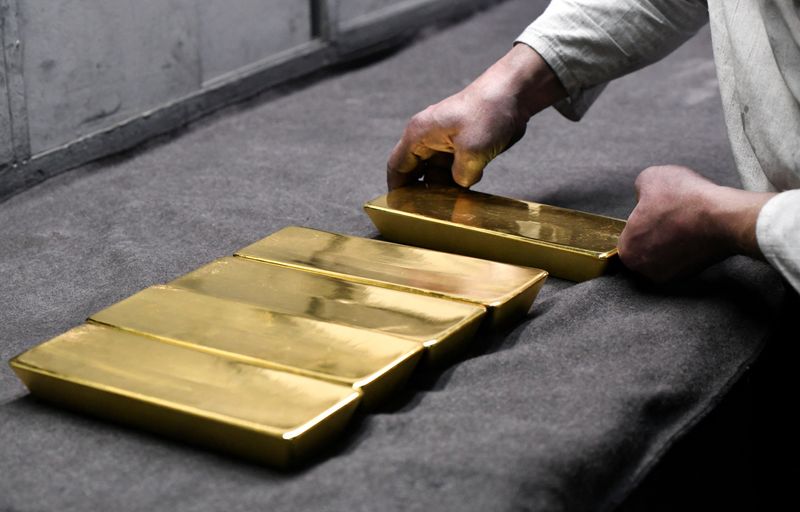
Gold is down about 5% since the Iran war began and fell nearly 3% last week as investors liquidated bullion for cash amid a sharp global equities selloff; major gold ETFs slipped ~6–7% last week. Oil has surged above $100/bl, while rising Treasury yields and a stronger dollar are pressuring XAU/USD. Despite the pullback, gold remains up ~16% YTD 2026 and analysts cite ongoing central bank demand and structural inflation drivers as longer-term supports.
The recent action looks like a liquidity-driven regime change, not a regime shift in gold’s structural fundamentals. Forced selling to meet margin calls or bank liquidity needs can flip gold’s usual negative correlation with real rates and the dollar for a short window (days–weeks), creating a mean-reversion opportunity once flows stabilize.
Mining equities and mid-tier producers are the highest-convexity instruments to this dynamic: they amplify moves in spot metal but also carry idiosyncratic operational and energy-cost exposure that can underperform in a liquidity squeeze. Expect divergence between cash-flow-rich large caps (better balance sheets, lower financing sensitivity) and junior/mid-tier miners (higher beta to equity market stress) over the next 1–3 months.
Key catalysts to monitor are liquidity metrics (bank repo rates, money-market spreads) and the path of real US yields; a 25–50bp reversal lower in real yields would likely restore gold’s safe-haven bid and trigger a rapid catch-up in miners. Conversely, durable dollar strength or an extended liquidity squeeze could prolong underperformance for both physical and equities for multiple weeks, so trade sizing and time-stops should reflect a two-regime playbook (liquidity window: days–weeks; structural re-accumulation: months).
AI-powered research, real-time alerts, and portfolio analytics for institutional investors.
Overall Sentiment
mildly negative
Sentiment Score
-0.25
Ticker Sentiment
