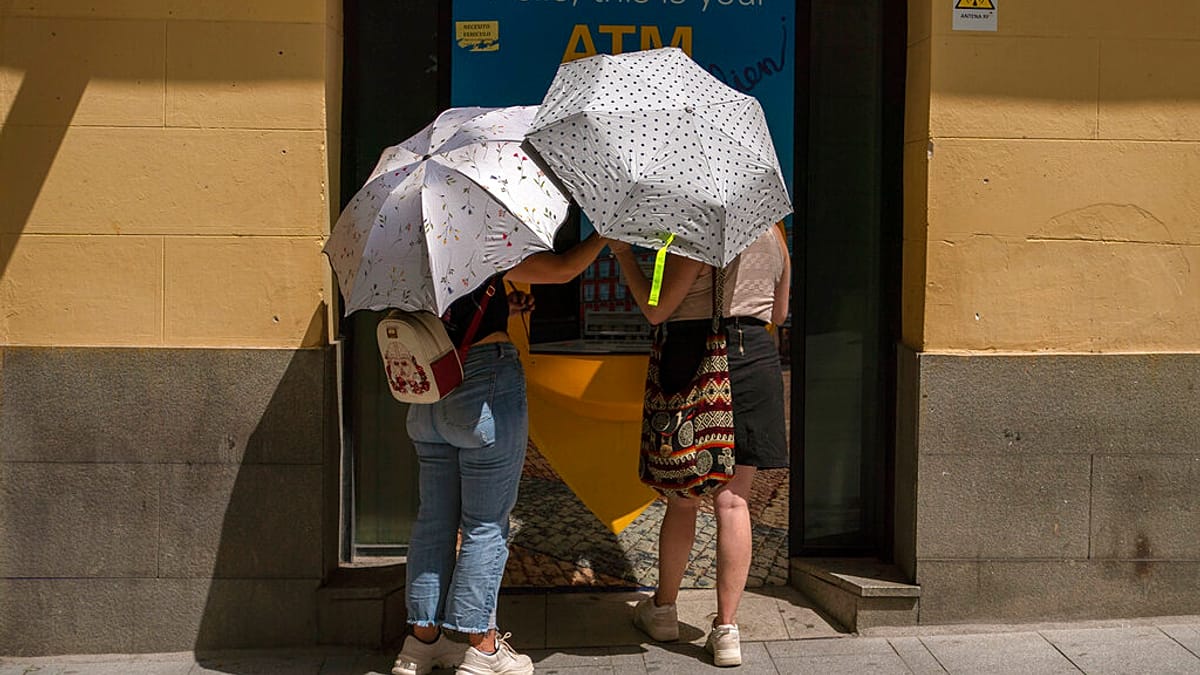
Spain recorded its hottest summer on record in 2025, including a 16-day August heatwave with temperatures above 45°C, and an average national temperature rise of 1.69°C between 1961 and 2024. Prime Minister Pedro Sánchez announced a national network of climate shelters and a package of 80 initiatives addressing heatwaves, floods, wildfires and climate misinformation, building on regional schemes (Barcelona already has ~400 air-conditioned public shelters) and pledging targeted funding for hardest-hit areas. The measures respond to a growing public-health toll—MoMo attributes more than 21,700 heat-related deaths from 2015–2023 and an estimated 3,800 this summer (up 88% vs 2024)—and imply localized fiscal and infrastructure spending pressures as well as increased demand for cooling and urban resilience investments.
Market structure: utilities, grid operators, large construction and HVAC manufacturers are direct winners as Spain signals recurring, budgeted public cooling infrastructure and grid hardening; expect regulated utilities (e.g., IBE.MC) and contractors (ACS.MC) to get multi-year, low-risk revenue and 5–15% incremental summer load that lifts power prices in peak hours. Losers: domestic tourism/hospitality, small retailers without AC, and primary insurers/reinsurers facing higher claims and mortality; pricing power shifts toward generators and large integrators who control dispatch and cooling-systems supply chains.
Risk assessment: tail risks include a severe multi-month heatwave or drought that forces emergency spending (+€5–10bn shock), triggering sovereign spread widening and higher borrowing costs for Spain; near-term (weeks) market moves hinge on the 2026 budget and EU transfer approvals, short-term (months) on capex tender issuance, long-term (years) on structural electricity demand rising 5–10% in summer peaks. Hidden dependencies: grid interconnect capacity, natural gas/spot-power availability, and global HVAC supply chains (compressors/copper) which can bottleneck projects; catalysts: Spanish budget announcements (30–60 days) and European Commission funding decisions.
Trade implications: rotate into regulated utilities, grid/contractor names and HVAC OEMs while hedging insurer/reinsurer exposure; prefer long equity exposure sized 1–3% per name with 12–24 month horizons and 6–12 month call spreads on HVAC makers to capture seasonal demand spikes. Options: buy call spreads to cap premium vs directional upside; bonds: be cautious on short-dated Spanish paper if fiscal risk rises.
Contrarian angles: consensus prices this as a social-policy cost rather than a capex-led growth driver—if Spain commits €2–5bn/yr to shelters and grid upgrades, utilities/contractors may re-rate by 20–40% over 12–24 months. Market may over-penalize insurers upfront; reinsurance pricing hardening could restore margins and create a long entry after initial drawdown. Unintended consequence: faster electrification (AC adoption) benefits generators more than standalone HVAC OEMs, so favor vertically integrated energy names over pure-play appliance makers.
AI-powered research, real-time alerts, and portfolio analytics for institutional investors.
Request DemoOverall Sentiment
moderately negative
Sentiment Score
-0.30
