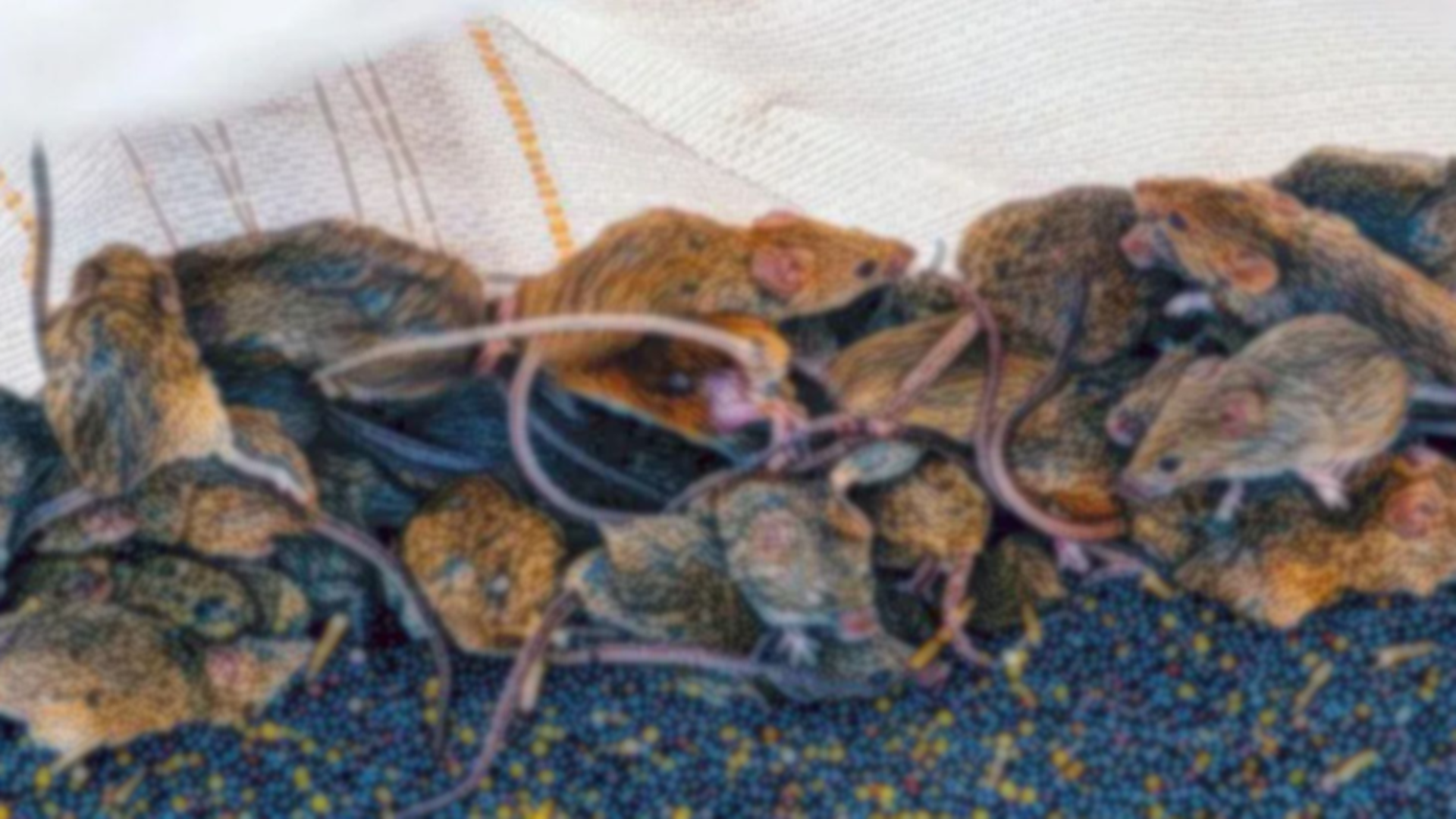
Australia's mouse plague is inflicting severe damage on grain production, with farmers reporting 8,000 to 10,000 mice per hectare in affected areas and substantial crop losses in wheat, canola and barley. Producers are spending hundreds of thousands of dollars on replanting and baiting while also facing higher fuel and fertiliser costs tied to geopolitical tensions. Authorities have approved stronger bait and some early decline in mouse numbers is emerging, but damage is already extensive.
This is a classic localized supply shock, but the investable angle is less about the direct crop loss and more about margin compression and working-capital stress across the ag inputs stack. The first-order hit lands on growers, but the second-order effect is higher demand for bait, storage protection, replant seed, and animal feed substitutes, while downstream buyers may benefit from any forced price discounting as farmers liquidate damaged inventories.
The bigger risk is that the damage is nonlinear: once seedbeds and stored grain are compromised, losses compound over a full growing cycle, not just one season. That makes the catalyst horizon months, not days, because even if cooler weather reduces the infestation, the cash-flow impairment, replanting costs, and potential lower harvested quality can persist into the next marketing window.
The contrarian point is that the market may overestimate how quickly pest pressure normalizes once weather turns. Mouse populations can fall fast, but the economic damage is already partially locked in; the real variable is whether there is spillover into broader regional grain availability, which would tighten local basis and support exportable pricing even as individual farmers suffer. If this becomes a repeated pattern after strong harvest/rainfall cycles, it argues for a structural risk premium in Australian grain supply rather than a one-off weather headline.
From a portfolio lens, the cleanest expression is to avoid being long Australian farm profitability through near-term grain exposure, but to look for beneficiaries in pest-control, grain handling, and replacement seed names if liquidity permits. A more nuanced trade is to fade any knee-jerk weakness in global grain prices if the market assumes the shock is purely idiosyncratic; the more likely outcome is localized basis volatility rather than a durable global oversupply.
AI-powered research, real-time alerts, and portfolio analytics for institutional investors.
Request TrialOverall Sentiment
strongly negative
Sentiment Score
-0.55
