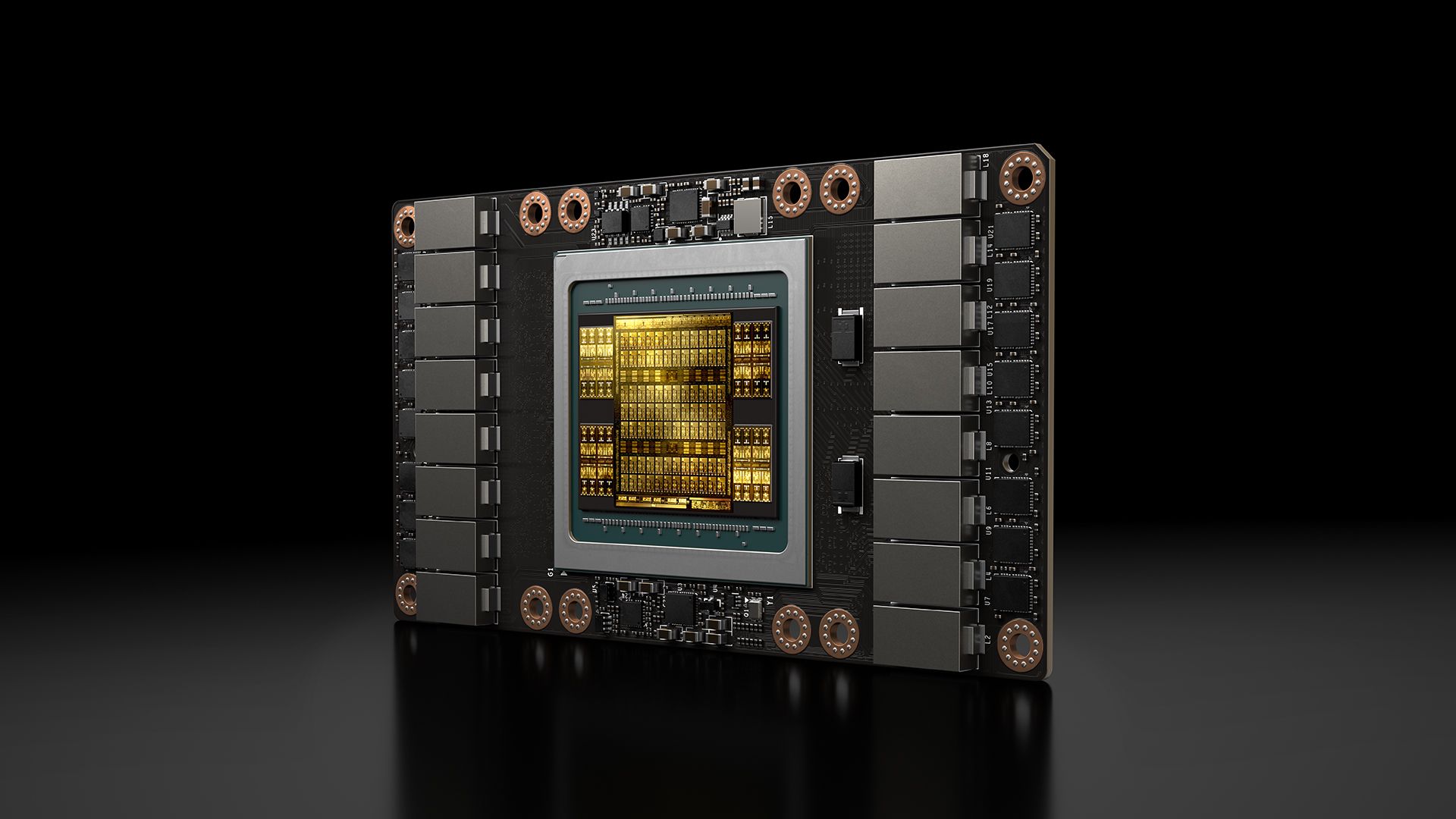
A $200 modded Nvidia Tesla V100 setup delivered strong AI inference performance, including 130 tokens/sec in Ollama and 108 tokens/sec on gemma4:e4b, outperforming an RTX 3060 12GB in several tests. On efficiency, the V100 reached about 0.55 tokens/sec per watt after power limiting versus 0.39 for the 3060, though it drew 45W at idle and consumed more power under load. The piece is primarily a hardware benchmarking story, but it suggests demand for older high-VRAM GPUs may rise as low-cost AI inference setups gain attention.
The market takeaway is less about a vintage GPU and more about the emergence of a bottom-up, gray-market compute supply chain that extends the useful life of aging datacenter silicon. That dynamic is bullish for end-user access to low-cost inference capacity, but it also creates a second-order headwind for vendors selling midrange AI accelerators on the promise of price/performance superiority. If recycled datacenter cards can deliver materially better inference economics per dollar, budget-conscious buyers will delay upgrades, compressing the addressable market for newer consumer/prosumer GPUs.
For NVDA, this is mildly positive near term because the virality reinforces the company’s software moat: even older Nvidia parts remain the default choice when users optimize for ecosystem compatibility rather than raw peak efficiency. The more important implication is that legacy inventory can become a new quasi-commodity market, supporting residual values for older enterprise cards and potentially absorbing some used-supply overhang. That said, the same legacy-support issue creates a long-tail software risk: once framework versions move beyond the usable CUDA window, these assets become stranded and the resale market can reprice abruptly.
EBAY gets an understated benefit from the increased attention to used datacenter hardware, because discovery, liquidity, and price formation all improve when niche components go viral. In contrast, AMD’s relative positioning in low-cost inference looks more vulnerable; if buyers are benchmarking on real tokens-per-dollar, then older Nvidia cards can still undercut AMD consumer SKUs and muddy the upgrade rationale. INTC is a secondary beneficiary only through the broader “AI at the edge / local inference” narrative, but the evidence here suggests discrete GPU demand is still driven by software compatibility more than CPU platform choice.
The contrarian view is that this is not a scalable substitute for modern AI silicon: power draw, idle efficiency, cooling hacks, and legacy driver constraints make it a hobbyist or lab solution, not an enterprise procurement trend. The tradeable window is likely 1-3 months of social-media-driven scarcity and price inflation, followed by normalization once buyers realize the software stack is finite and the hardware is operationally awkward. The bigger risk is that the article itself catalyzes a short-lived mispricing in used parts rather than a durable change in AI compute economics.
AI-powered research, real-time alerts, and portfolio analytics for institutional investors.
Request DemoOverall Sentiment
mildly positive
Sentiment Score
0.20
Ticker Sentiment
