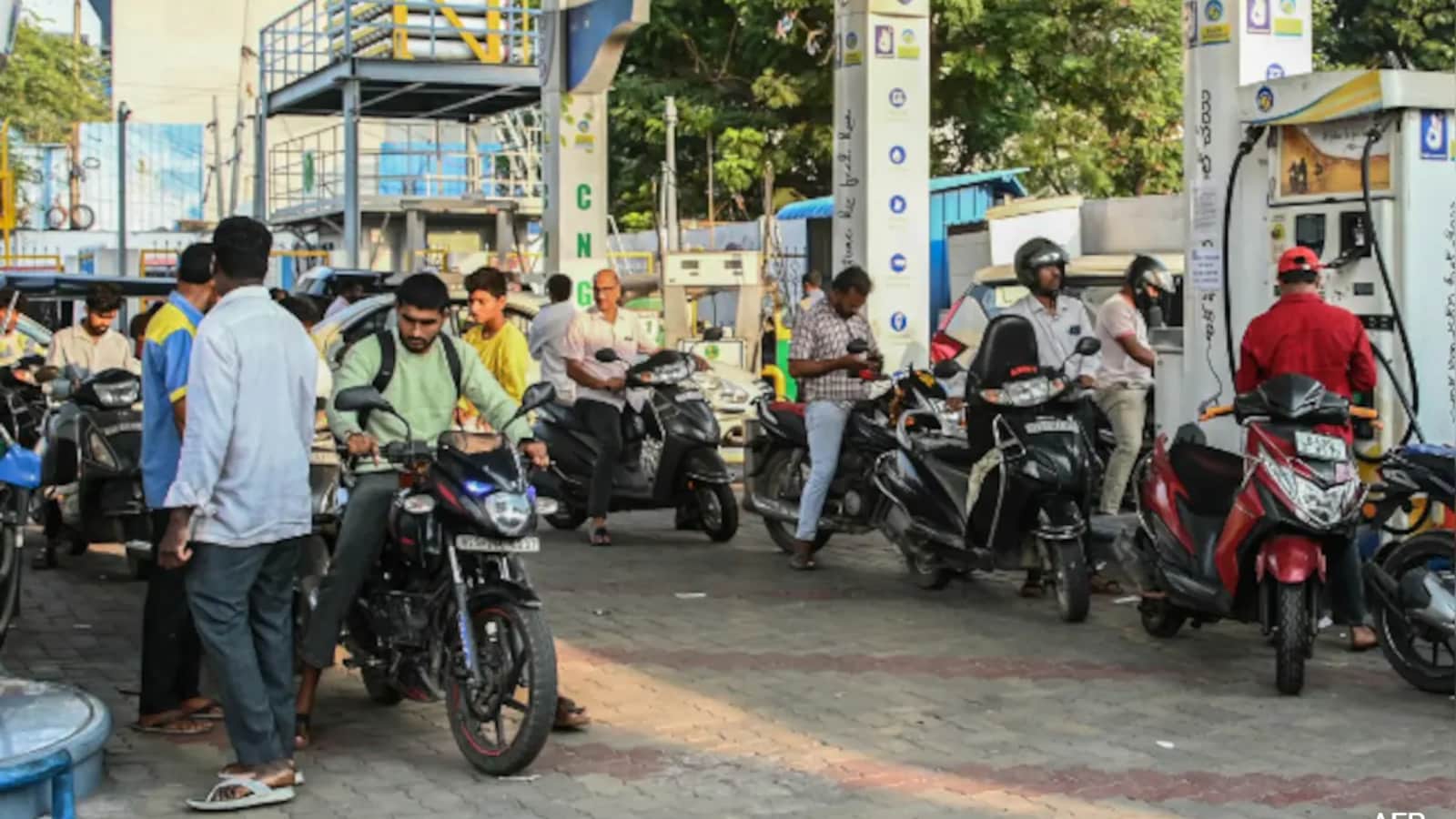
Petrol prices in Delhi rose Rs 2.61 to Rs 102.12 per litre and diesel increased Rs 2.71 to Rs 95.20, marking the fourth fuel hike in 11 days. The increases were driven by Iran war-related supply disruption and higher crude costs, with OMCs reportedly facing losses of over Rs 1,000 crore per day before the price revision. Higher fuel costs are likely to add inflation pressure and raise logistics expenses across consumer goods.
The immediate market read-through is not “higher oil” so much as a forced transfer of margin from consumers and downstream users to upstream and public-sector balance sheets. The first-order pain is obvious, but the second-order effect is a slower, stickier inflation impulse: diesel feeds freight, agri-distribution, and small-ticket retail pricing with a lag of weeks, so headline CPI may look manageable before core goods inflation re-accelerates into the next two prints. That creates an unfavorable setup for rate-sensitive domestic cyclicals and high-beta discretionary names even if crude itself retraces.
The more interesting signal is that pricing discipline has broken only after a long suppression period, which implies OMC earnings risk is now asymmetric to the upside if crude stabilizes but remains elevated. However, the relief is likely partial because the real problem is not the spot move alone; it is the combination of sustained import-cost pressure and currency weakness, which keeps under-recovery risk alive even if Brent backs off toward the low-$90s. That means downstream equities can rally sharply on any policy hint, but the fundamental reset is incomplete unless the geopolitical risk premium collapses.
For transportation and consumption, the damage is nonlinear. Fleet operators, toll-road users, logistics aggregators, and rural FMCG distributors face a double hit: direct fuel expense and weaker demand elasticity in lower-income households, which tends to show up first in volume downgrades rather than margins. The contrarian angle is that the move may be underpricing the deflationary policy response: once inflation expectations rise, authorities have incentive to lean on taxes, subsidies, or temporary price smoothing, which caps the duration of the pass-through but shifts the cost into fiscal accounts.
AI-powered research, real-time alerts, and portfolio analytics for institutional investors.
Request DemoOverall Sentiment
moderately negative
Sentiment Score
-0.45
