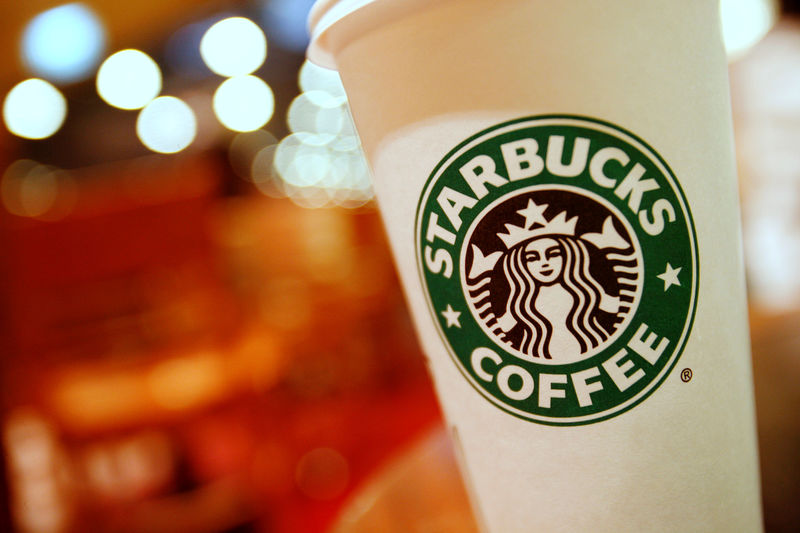
Starbucks reported a strong Q2 fiscal 2026 beat, with EPS of $0.50 versus $0.42 expected and revenue of $9.5B versus $9.12B expected. Global comparable sales rose 6.2% and U.S. same-store sales increased 7.1%, prompting management to raise fiscal 2026 guidance to 5% from 3%. Bernstein SocGen reiterated an Outperform rating and $100 price target, reinforcing the bullish post-earnings setup.
SBUX is turning a credibility gap into a valuation gap. The market is likely still pricing this as a one-quarter earnings beat, but the more important signal is that traffic is recovering before the full store-standards rollout is complete; that means the operating lever is not exhausted yet. If management keeps converting more stores from "acceptable" to "best-in-class," the next leg is not just higher comps but better labor efficiency and less promo intensity, which can expand margins faster than the sell-side is modeling.
The second-order winner is not Starbucks itself but adjacent consumer discretionary peers that are forced to defend share. A sustained U.S. traffic rebound at a premium coffee chain usually pulls spend from quick-service breakfast and convenience beverage occasions rather than from at-home consumption, so the pressure lands on chains with weaker digital ecosystems and less premium brand equity. Suppliers tied to cold beverages, syrups, dairy, and packaging also get a volume tailwind, but the bigger implication is that Starbucks can now use menu innovation as a weapon rather than a patch, increasing the hurdle for smaller regional competitors.
The main risk is that the re-rate has outrun the execution path. At an elevated multiple, the stock only needs a modest deceleration in comps or a stumble in international momentum to compress sharply, especially if the market starts treating the current outperformance as normalization rather than step-change improvement. The more fragile part of the story is durability: if the 60% store-standard figure stalls, the remaining renovation and operational work may fail to convert into incremental sales, making the current guidance raise look cyclical instead of structural.
Consensus may be underestimating how much of this is a multi-quarter operating flywheel rather than a single earnings print. The stock can stay strong for months if revisions keep drifting up, but the cleanest entry is likely on a post-earnings digestion or any pullback tied to macro noise, not on momentum chasing after a 16% YTD run. In contrast, if management shows that international is finally broadening beyond the top markets, the multiple can justify itself for longer than bears expect.
AI-powered research, real-time alerts, and portfolio analytics for institutional investors.
Request DemoOverall Sentiment
moderately positive
Sentiment Score
0.68
Ticker Sentiment
