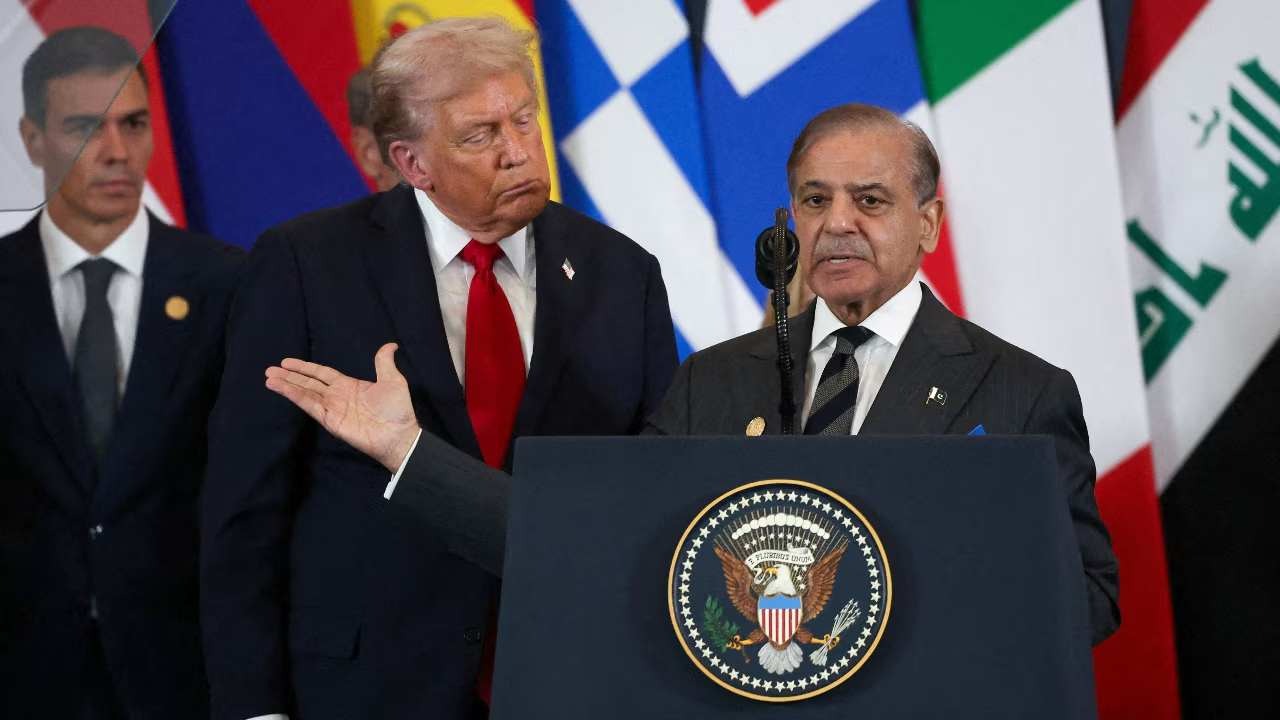
A US-Iran ceasefire announced April 8 collapsed into confusion over whether Lebanon was included after Israel carried out strikes killing >250 and injuring >1,000 (Lebanon toll >1,500 since March 2). Pakistan, which mediated and publicly said the truce applied “everywhere,” is accused of miscommunicating terms, undermining negotiations and diplomatic credibility. Iran briefly closed the Strait of Hormuz and halted oil-tanker transit, raising tangible upside risk to energy prices and prompting a risk-off posture for regional exposures.
Pakistan’s bungled relay of terms is not just a diplomatic embarrassment — it raises the effective transaction cost of future back-channel diplomacy in the Middle East. Expect a 30-40% increase in negotiation friction (longer timelines, more written/legalized text demands, third-party verification) over the next 3–6 months as principals insist on ironclad drafts rather than oral understandings; that raises the calendar risk around any “temporary” ceasefires and increases the probability of accidental escalation in the near term.
Energy markets will price a structural risk premium into crude and tanker freight for as long as credibility gaps persist: a short, confirmed disruption of the Strait of Hormuz (days–weeks) would plausibly add $10–$20/bbl to Brent; an intermittent, politically driven insurance premium could add $2–$6/bbl persistently for 3–6 months. Marine insurance and spot tanker rates tend to re-rate faster than upstream production metrics, creating an asymmetric, front-loaded benefit for owners of VLCCs and short-duration shipping exposure.
The defense supply chain and procurement cadence are a second-order beneficiary — not just prime contractors but Tier-2 electronics, sensors and missile components firms see order-acceleration windows of 3–12 months as customers rush to replenish inventories and contingency stockpiles. Conversely, EM assets tied to Pakistan’s political capital (sovereign bonds, local equities) now face a discrete 1–3 month vulnerability to capital flight and liquidity squeezes. Volatility is the dominant tradeable here: front-month skews and short-dated protection will be richly priced; optionality is preferable to naked directional exposure given high binary tail risk.
AI-powered research, real-time alerts, and portfolio analytics for institutional investors.
Request DemoOverall Sentiment
strongly negative
Sentiment Score
-0.65
Ticker Sentiment
