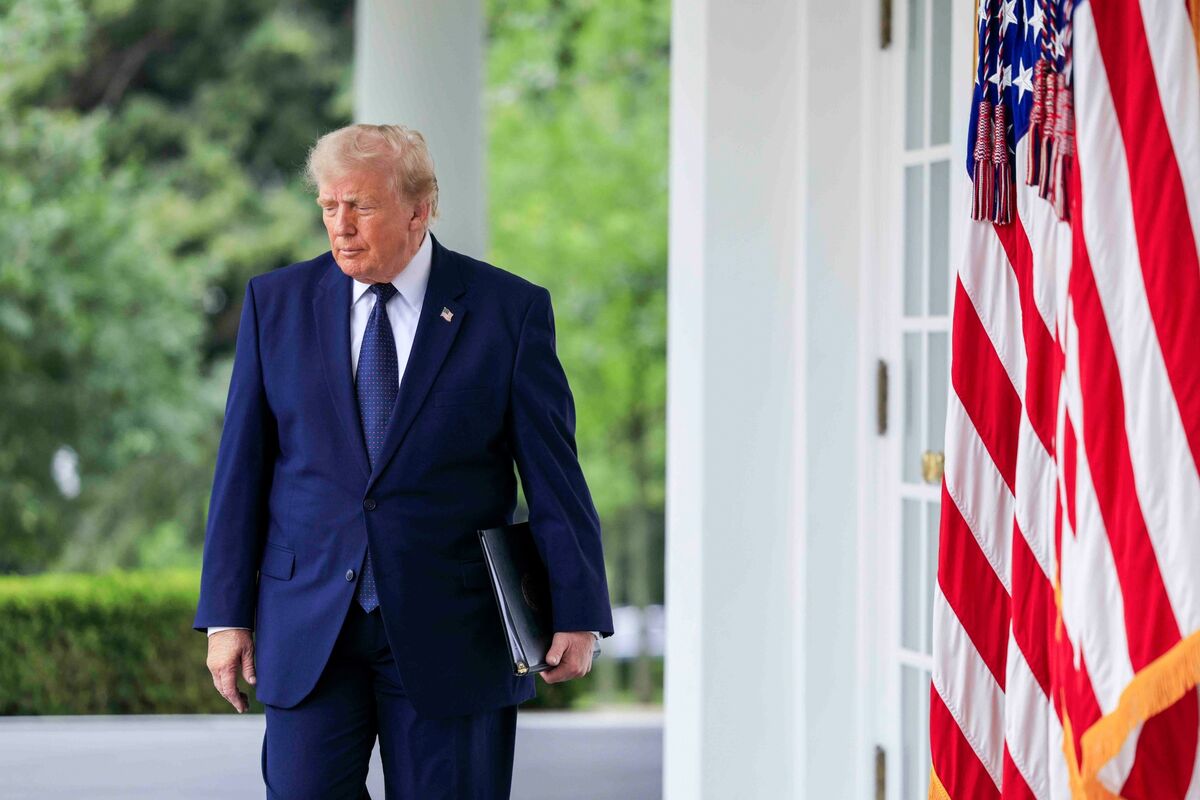
Trump said the US will ‘probably’ strike Iran again on Wednesday, after hitting targets ‘very hard’ the prior night. The statement escalates near-term expectations of broader hostilities and increases risk of an all-out war scenario. This is likely to be market-moving for risk sentiment and could spill into energy pricing and volatility.
The market mechanism here is less about the strike itself and more about the probability distribution of supply interruption. Even a limited escalation raises option value on a Strait-of-Hormuz shock, which tends to steepen the front end of the oil curve, widen energy equity relative strength, and pressure high-beta cyclicals before any physical barrels are actually lost. The first beneficiaries are upstream energy and tanker/shipping names; the immediate losers are airlines, cruise/leisure, chemicals, and other fuel-intensive transports where margins reprice faster than revenues.
The second-order effect is on positioning: a headline-driven move often forces CTAs and systematic risk parity to de-gross equities while commodity vol rises, so the fastest trade is usually in index and sector ETF flows rather than in the geopolitics itself. If the escalation persists for days, defense and cyber/security contracts may see a bid, but that is a slower earnings story; the more important 1-3 month channel is higher implied inflation, which can keep pressure on duration and lower-quality growth multiples. Conversely, if there is no measurable disruption to tanker traffic, insurance rates, or regional production, the move can fade quickly because the market already prices a non-zero war premium into crude.
The contrarian view is that rhetoric may be doing most of the work. If this is a signaling exercise rather than a campaign that hits export infrastructure, the oil spike could be overdone and fade as soon as the market sees flows normalize. What would falsify the bullish energy / bearish risk-assets thesis is a quick reversal in Brent/WTI, no change in tanker rates or options skew, and no evidence of follow-on sanctions or physical damage within 48-72 hours.
AI-powered research, real-time alerts, and portfolio analytics for institutional investors.
Request DemoOverall Sentiment
mildly negative
Sentiment Score
-0.40
