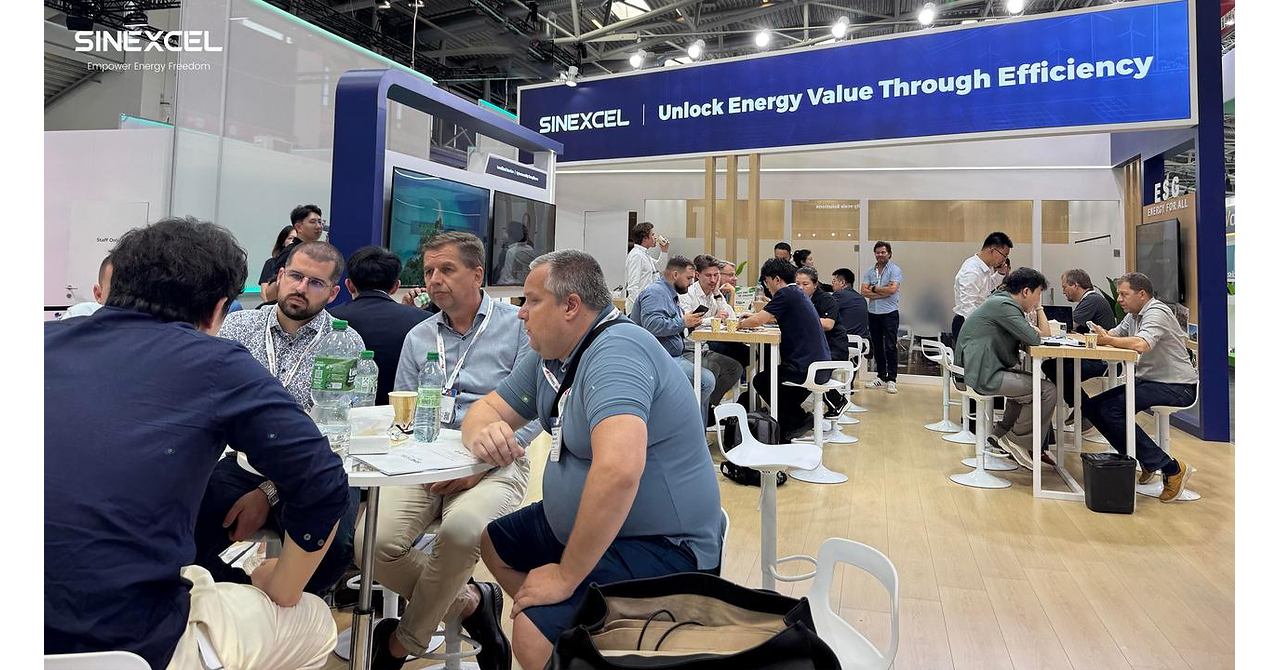
SINEXCEL announced at Intersolar Europe 2026 the launch of its Infineon-component PCS StellaON 1250K/1575K for utility-scale storage, targeting 98.5% full-load efficiency and full operation at 55°C. The company also cited completed European network/security certifications (with TÜV SÜD and TÜV NORD for Polish compliance) and a strategic agreement to support EU Cyber Resilience Act (CRA) and NIS2 requirements. It is additionally expanding a pan-European service and lifecycle support network via multiple partnerships, alongside new BESS implementation arrangements to accelerate large-scale storage deployment across Europe.
This is more about de-risking European BESS procurement than creating near-term earnings upside. In a market where project finance often gets hung up on bankability, local service, and cyber/regulatory compliance, the winners are vendors that can convert technical specs into lower cost of capital for developers. That tends to favor suppliers with sticky component content and certified service networks, while pure low-cost import competitors lose pricing leverage and get pushed out of utility-grade deals.
For IFNNY, the incremental value is not the press release itself but the implied pull-through into a higher-spec, higher-reliability product stack. If design wins broaden, the economics show up first in backlog quality and later in margin mix, not in immediate revenue surprise. The market may underappreciate how much of Europe’s storage growth is gated by permitting, certification, and maintenance infrastructure rather than by module pricing alone.
The contrarian view is that this can be over-read as a demand signal when it is mostly a go-to-market signal. Real monetization likely takes 2-4 quarters, and could be stalled by permitting friction, cyber-rule implementation, or a downturn in utility-scale storage bids if financing costs stay high. TSLA is not a clean fundamental beneficiary here; any move in that stock would more likely reflect name confusion than true exposure, so a rally would be fadeable unless there is verified Tesla Energy execution in Europe.
AI-powered research, real-time alerts, and portfolio analytics for institutional investors.
Overall Sentiment
neutral
Sentiment Score
0.10
Ticker Sentiment
