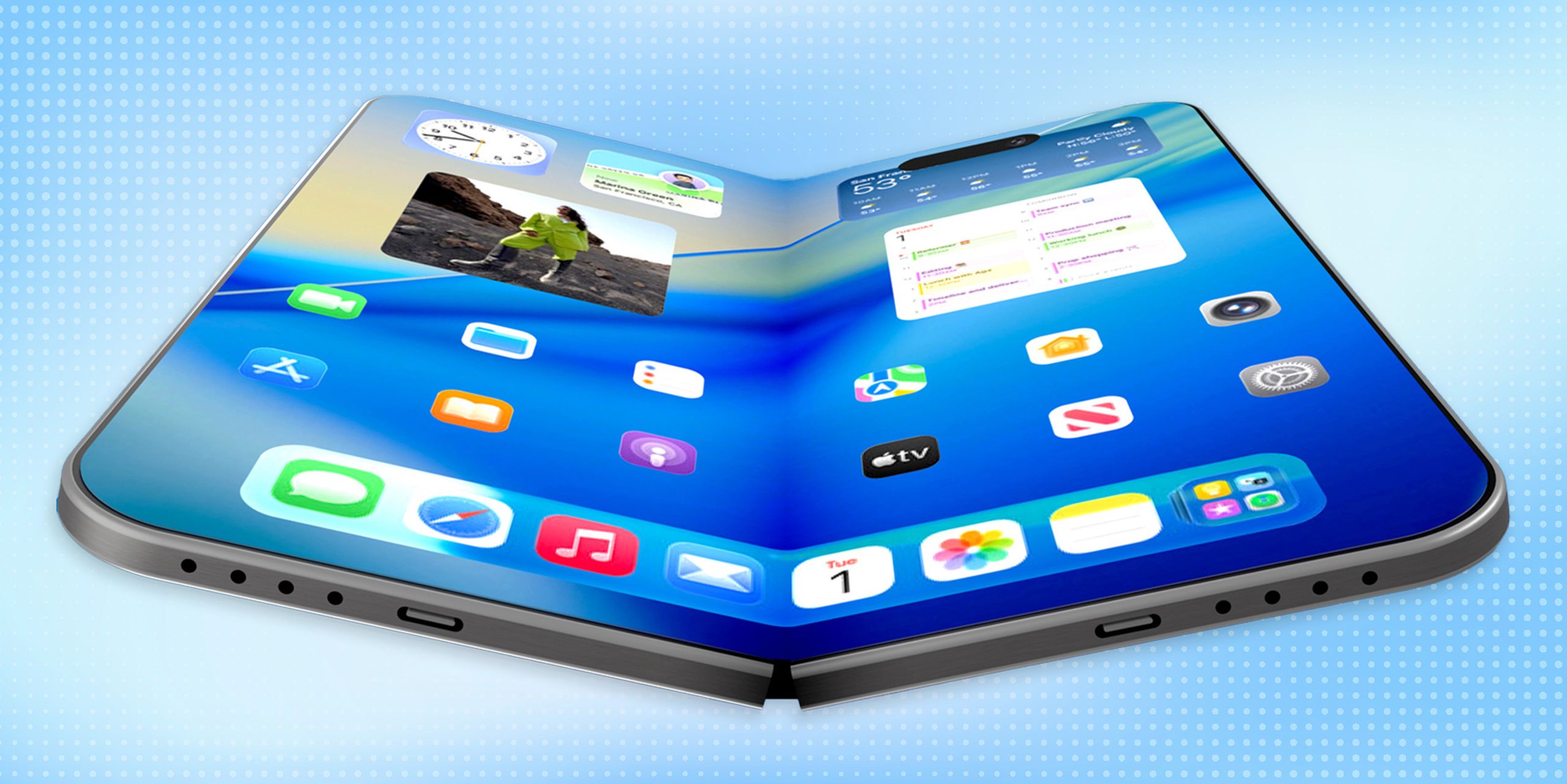
Apple’s long-rumored foldable iPhone is reportedly on track for a September launch, with a new hinge, redesigned UTG display layers, and optically clear adhesive intended to eliminate the crease. The device is expected to debut alongside the iPhone 18 Pro models and carry a price tag above $2,000, positioning it as a premium new product category. The article is mostly speculative, but it suggests Apple may finally have solved the key technical hurdle that has delayed the launch for years.
This is less about a new product category than Apple proving it can industrialize a mechanical problem that rivals have treated as an acceptable defect. If the crease is genuinely minimized, the handset becomes a halo proof-point for Apple’s ability to solve premium-form-factor friction better than Android OEMs, which should widen the launch window for a higher ASP, high-margin category without cannibalizing the core iPhone franchise as quickly as the market fears.
The second-order winner is the supply chain around precision materials and assembly rather than the display vendor headline itself. A foldable that ships at $2,000+ implies Apple will tolerate materially higher BOM cost if it can preserve brand equity; that usually translates into stronger content per unit for hinge, adhesive, specialty glass, and advanced packaging suppliers, while pressuring competitors to spend more on R&D just to keep parity. The competitive risk for Samsung, Google, and Chinese foldables is not unit share alone, but margin compression as Apple resets consumer expectations on what “acceptable” fold quality looks like.
The key catalyst is software, not hardware, over the next 1-2 quarters. If WWDC shows a credible multitasking/UI layer for foldables, the market will start discounting a broader device-cycle upgrade and a possible premium mix lift into the iPhone 18 cycle; if software underwhelms, the launch becomes a niche halo product with limited multiple expansion. The contrarian view: the stock may already embed most of the upside from a successful launch, and the bigger risk/reward is in whether Apple uses foldables to re-accelerate unit growth in 2027 rather than the headline September debut itself.
AI-powered research, real-time alerts, and portfolio analytics for institutional investors.
Request DemoOverall Sentiment
mildly positive
Sentiment Score
0.20
Ticker Sentiment
