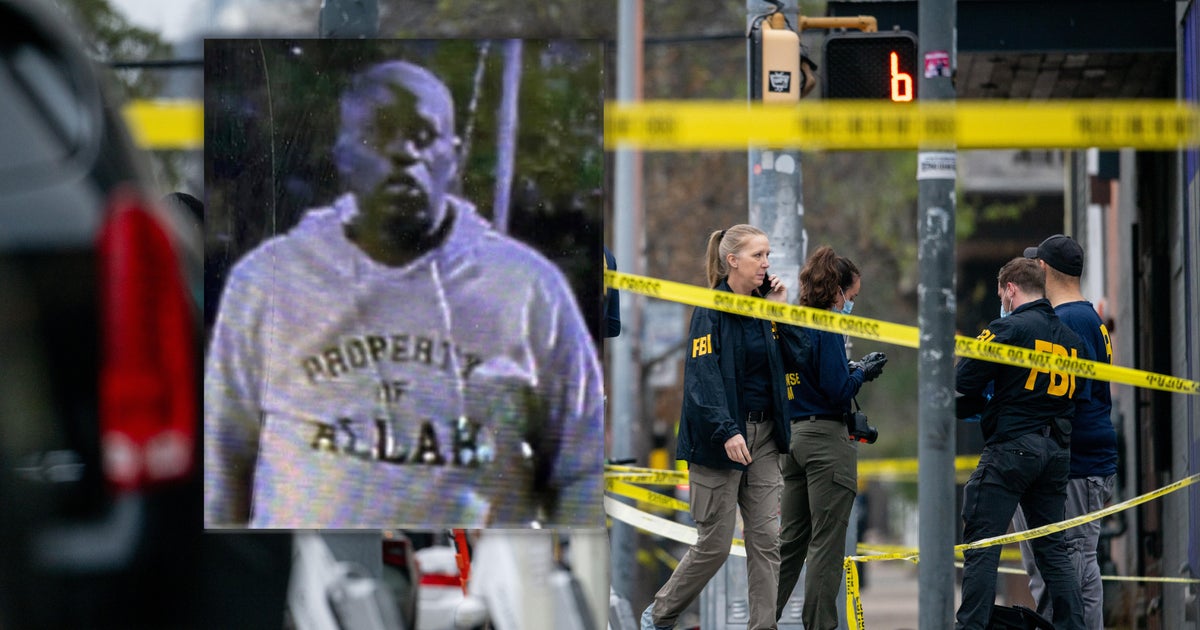
A lawsuit filed in Texas alleges Ndiaga Diagne — the Austin mass shooter — violently assaulted a 65-year-old employee at Tesla’s Austin facility in December, and that Tesla was negligent in allowing an employee with "known aggressive tendencies" into common areas; the suit seeks more than $1 million in damages. Local authorities investigated the December assault but closed the case after Diagne was killed; CBS News has not independently confirmed Diagne’s employment with Tesla. The claim creates reputational and potential liability risk for Tesla but, given the limited documented damages and uncertainties about employment status and facts, direct financial exposure appears modest at this stage.
Market structure: Direct losers are TSLA equity and short-dated sentiment-sensitive instruments (options) as reputational/legal headlines can depress retail demand and amplify fund flows away from high-ESG-profile names; winners are legacy OEMs (F, GM) and insurance/security vendors that may see incremental demand for physical security. This is not a supply-driven shock to vehicle production or battery inputs — expect demand elasticity impact of <1–3% of quarterly deliveries unless incidents cascade or union/regulatory actions follow.
Risk assessment: Tail risks include a cascade of civil suits, regulatory probes into workplace safety/retention policies, or a unionization push in Texas that could raise labor cost by 2–5% for US manufacturing; low-probability but high-impact within 6–24 months. Near-term (days-weeks) risk is headline-volatility; medium-term (3–12 months) is reputational/ESG capital reallocation; long-term (1–3 years) material only if pattern of safety failures emerges or large aggregated damages occur.
Trade implications: Tactical trades should hedge headline risk with short-dated, size-limited instruments — e.g., buy 0.5–1% portfolio-protection via TSLA 30–60 day 5% OTM put spreads or long-dated collars if you own shares; relative-value: short TSLA vs long F/GM (beta-neutral, size 0.5–1% NAV) to capture sentiment rotation. Avoid large directional bets absent additional legal filings — buying a near-term straddle is expensive unless IV jumps >20%.
Contrarian angles: Consensus will treat this as a PR/headline event; the market may overprice legal risk given alleged single-plaintiff demand (~$1m) and unclear employment status. Historical parallels (company-specific violent incidents) show 70–90% of market impact mean-reverts within 2–6 weeks absent systemic issues; a disciplined re-entry after 10–30 days or after IV normalizes could capture oversold rebounds.
AI-powered research, real-time alerts, and portfolio analytics for institutional investors.
Request DemoOverall Sentiment
mildly negative
Sentiment Score
-0.25
Ticker Sentiment
