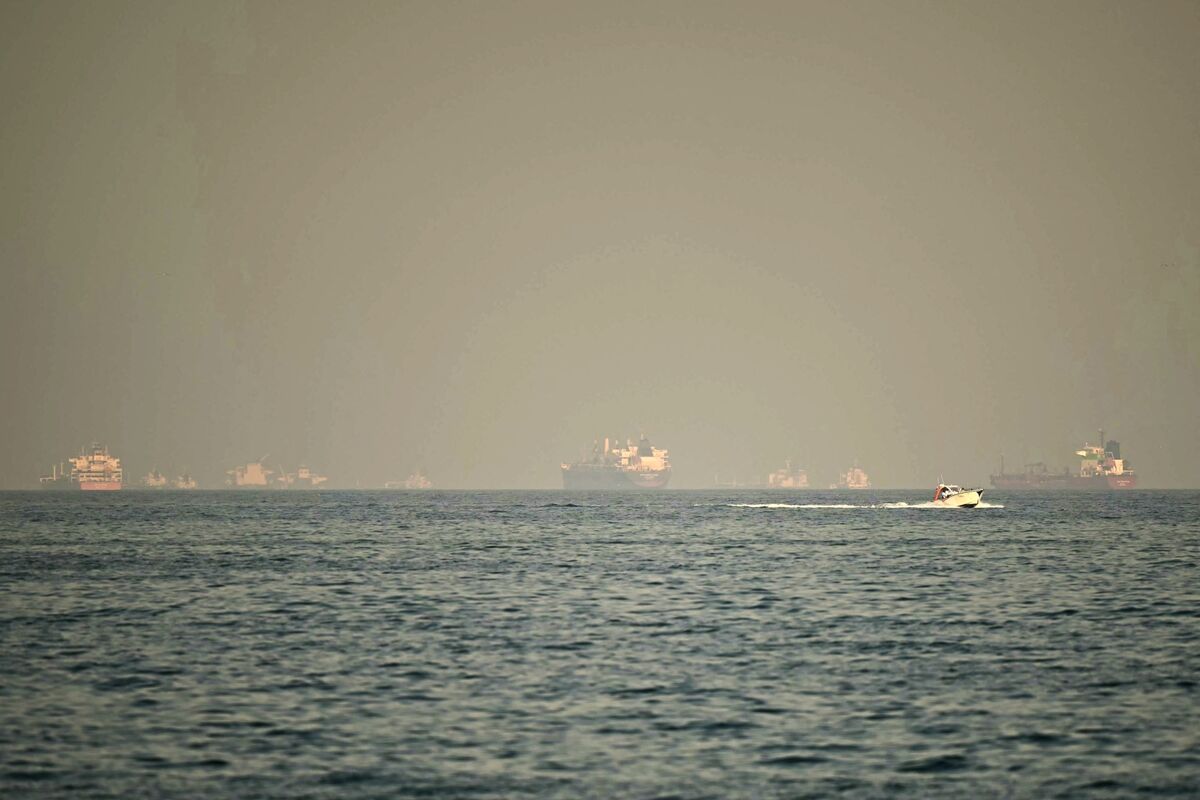
A container ship came under gunfire about 15 nautical miles off Oman near the Strait of Hormuz, with the UK Maritime Trade Operations reporting heavy damage to the vessel’s bridge. The incident follows previous shootings over the weekend and heightens shipping risk in a critical chokepoint for global trade and energy flows. The escalation is likely to pressure freight routes, insurance costs, and broader regional risk sentiment.
This is less about one vessel and more about the market repricing the probability of intermittent Hormuz disruption. The immediate winners are upstream producers and tanker-rate exposure, but the second-order beneficiary is anyone with inventory already on water: delays lift delivered prices and widen regional arbitrage, which usually shows up first in freight, insurance, and LNG shipping before it fully hits oil benchmarks. The losers are global shippers with exposed Middle East routings and cargo-heavy importers in Europe and Asia that can’t hedge physical delivery risk as cleanly as the energy complex.
The key dynamic is convexity: a low-frequency, high-impact event can move freight, options skew, and energy equities more than spot crude in the first 24-72 hours. If incidents persist, the market will start pricing not just passage risk but higher War Risk premia and rerouting costs, which can compress margins for container lines and raise working capital needs across supply chains. That creates a lagged inflation impulse even if oil itself only moves modestly, which is why transport and industrials may underperform before consumers fully feel the shock.
The contrarian view is that the street may be overestimating the persistence of escalation and underestimating the speed of diplomatic de-escalation or naval deterrence. If this remains an isolated incident, the biggest move could be in volatility rather than direction: energy and shipping implied vol likely stay bid while spot reverses once escorts intensify. The true risk is a follow-on strike that forces a temporary rerouting regime; that would matter more over days-to-weeks than months, and would hit logistics equities harder than broad equities.
For investors, the cleanest expression is to own convexity where the market is still underpricing tail risk and avoid names with direct route exposure. The setup also favors relative-value rather than outright beta because geopolitical headlines can fade quickly while insurance and freight repricing tends to stick for longer than the news flow. If escalation does not broaden within a few sessions, fading the first move should offer better risk/reward than chasing it.
AI-powered research, real-time alerts, and portfolio analytics for institutional investors.
Request TrialOverall Sentiment
strongly negative
Sentiment Score
-0.62
