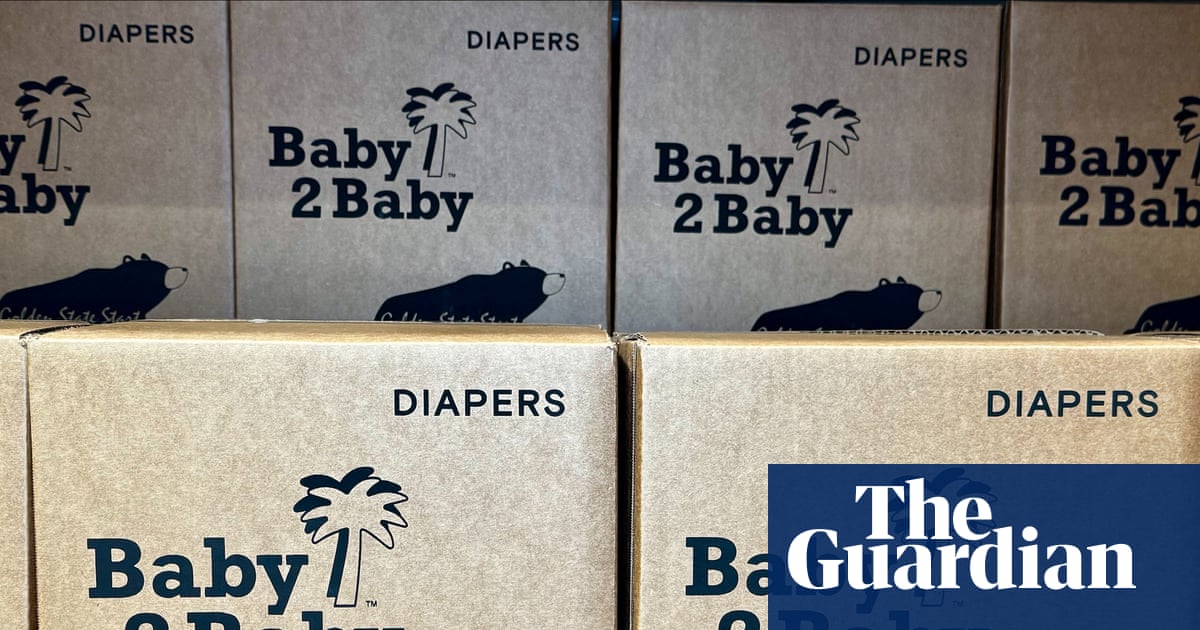
California is rolling out a first-in-the-country diaper program that will provide 400 free diapers per family to newborns at about 65 to 75 hospitals in its first year, backed by $7.4 million in prior budget funding and an additional $12.5 million proposed for the next fiscal year. The initiative targets low-income families and is intended to ease a roughly $100-a-month expense for diapers, with statewide expansion planned later. The policy is a modestly positive social support measure with limited direct market impact.
This is a small-dollar policy with a meaningful signaling effect: California is effectively outsourcing a basic consumer staple subsidy to a nonprofit manufacturing platform, which lowers execution risk and makes the program easier to scale politically. The first-order winners are the lowest-end diaper suppliers that can absorb volume through public channels, but the second-order beneficiary is any operator with adjacent infant/maternal distribution footprints in state-sponsored settings, because the state is normalizing procurement of “essential household goods” through healthcare touchpoints.
The competitive dynamic matters more than the headline cost. If Baby2Baby’s production model truly clears at a large discount to retail, this creates a template for states to bid around branded consumer-packaged goods in Medicaid-adjacent programs, pressuring premium diaper brands’ pricing power at the low end and reinforcing private-label substitution. Over 12-24 months, that can spill into hospital discharge bundles, WIC-related distribution, and nonprofit/state procurement frameworks in other blue states, which would be a quiet but real headwind to legacy brands with exposure to value segments.
The near-term market reaction should fade unless investors start extrapolating. The direct revenue impact is immaterial, but the policy tailwind is more relevant for political risk around consumer staples, healthcare-adjacent social programs, and budget priorities into the 2026 cycle. The contrarian angle is that the biggest beneficiary may not be diapers at all: it is the state’s narrative that targeted in-kind transfers are cheaper and more durable than cash-style support, which could embolden similar programs for infant formula, wipes, and other high-frequency essentials.
Main risk to the thesis is federal preemption or budget pushback if California’s deficit worsens and the program gets framed as symbolic spending. If adoption expands, procurement volumes could become large enough to matter for logistics, but that is a 2-3 year story, not a next-quarter trade. The cleanest investable angle is to look for relative underperformance in premium household staples if policymakers begin normalizing public/private substitution at the low end.
AI-powered research, real-time alerts, and portfolio analytics for institutional investors.
Request DemoOverall Sentiment
mildly positive
Sentiment Score
0.25
