

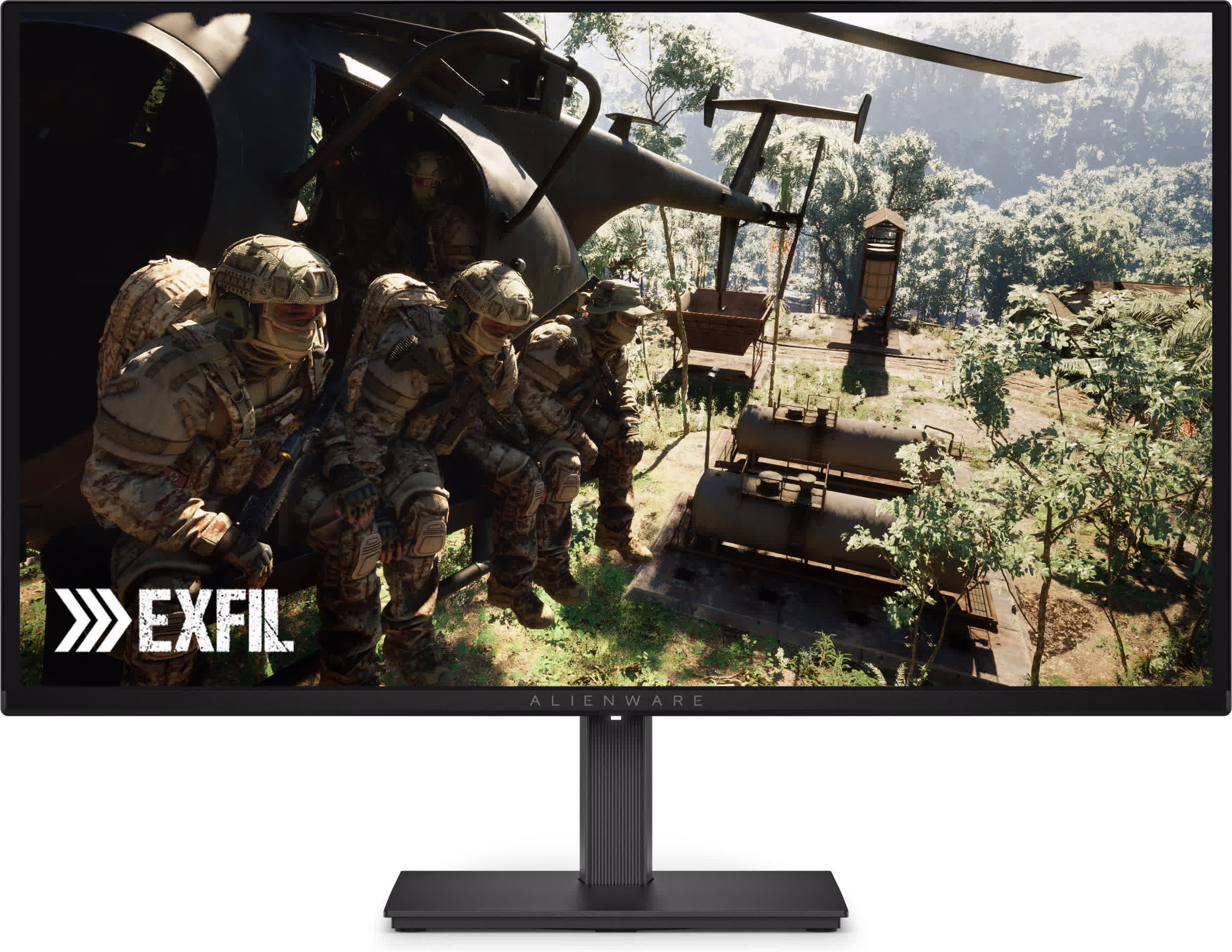
Dell's Alienware launched the AW2726DM, a 27-inch QD-OLED gaming monitor priced at $350 with a 2,560 × 1,440 resolution, 240Hz refresh rate, and 0.03 ms response time. The key trade-off is relatively low SDR brightness at 200 cd/m² and no official G-Sync-compatible support, but it still includes HDMI, DisplayPort 1.4, FreeSync Premium, VESA AdaptiveSync, and a three-year warranty. The low entry price could expand demand for OLED gaming monitors, though the article frames the product as a mixed-value offering.
This is less about a single monitor SKU and more about Dell using price to force QD-OLED from enthusiast niche into a volume adoption curve. The second-order implication is margin compression across the category: if a credible brand can ship a $350 QD-OLED, competitors with similar panel sourcing will have to respond either by cutting price, trimming features, or leaning harder into higher-end HDR/refresh niches to defend ASPs. That tends to benefit downstream channel partners in the near term but is structurally bearish for premium display gross margins over the next 2-4 quarters.
For Dell, the strategic trade is clear: sacrifice near-term monitor margin to accelerate installed base, attach rate, and ecosystem stickiness. The risk is that buyers anchor to this price point and become unwilling to pay up for incremental brightness or certification, which could pressure the premium segment more broadly. If demand is real, the main beneficiary may be the panel supply chain rather than Dell alone, because higher unit volume can absorb fixed costs and improve utilization at the panel maker and component suppliers over a 6-12 month horizon.
The market may be underestimating how much brightness and compatibility limitations can slow mainstream adoption outside gaming. A sub-$400 OLED can win early adopters, but office usage is where burn-in anxiety and comfort become real purchase blockers, which could cap repeat demand and keep this as a tactical volume push rather than a category inflection. The key catalyst is review sentiment and retail sell-through over the next 30-60 days: if returns stay low and third-party pricing follows, this can re-rate the addressable market upward; if not, it becomes a one-off share-grab with limited spillover.
Contrarian view: the low price may be more important than the spec compromises because consumers often optimize on headline price and brand trust, not a single brightness metric. If Dell can normalize OLED at this price, it may pull forward replacement cycles and expand the market faster than incumbents expect. That makes the setup asymmetric: downside to premium monitor ASPs is immediate, while the upside from category expansion shows up later and less visibly.
AI-powered research, real-time alerts, and portfolio analytics for institutional investors.
Request TrialOverall Sentiment
mildly positive
Sentiment Score
0.15
Ticker Sentiment
