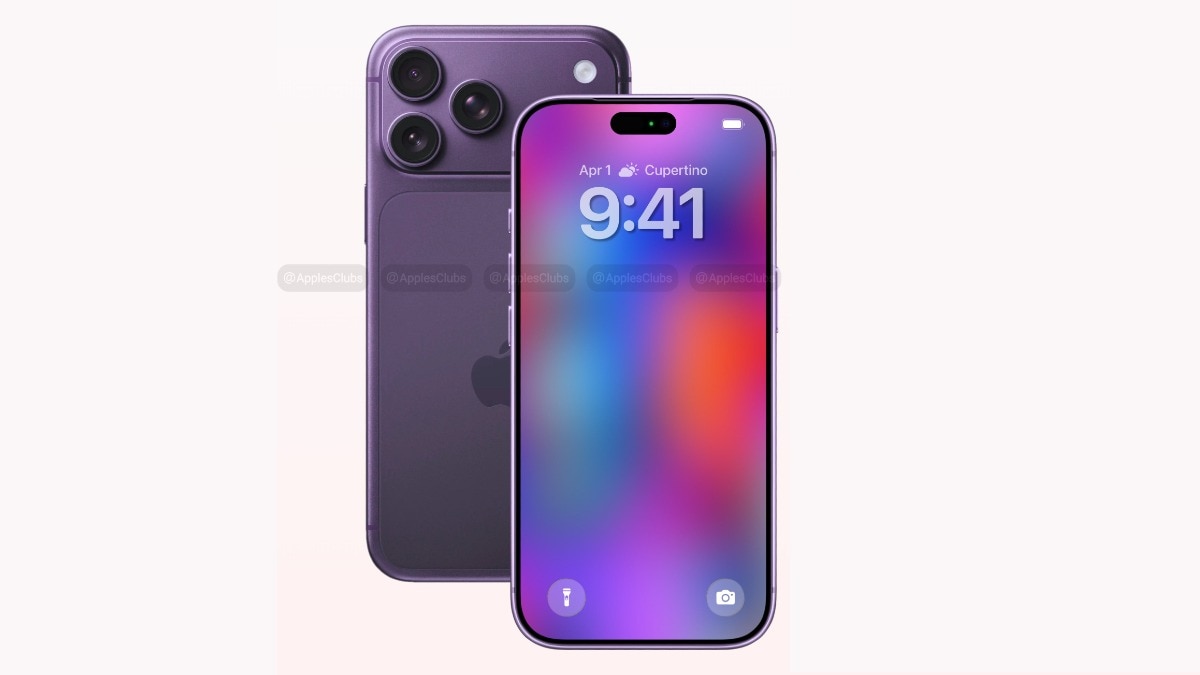
Apple’s iPhone 18 Pro and Pro Max are expected to launch in September 2026 with potentially meaningful upgrades: under-display Face ID, a smaller front cutout, a mechanical iris camera system, a new stacked image sensor, and an A20 Pro chip on TSMC’s 2nm process. The Pro Max may also get a 5,100mAh battery and weight above 240g, while display sizes are seen holding at 6.3 inches and 6.9 inches. India pricing is expected to stay near the iPhone 17 Pro/Pro Max levels at Rs 1,34,900 and Rs 1,49,900, respectively.
This setup is more about mix than unit growth. A materially better Pro cycle can pull upgrade-sensitive buyers forward, but the bigger second-order effect is that Apple can defend premium pricing without relying on AI as the sole upgrade narrative. That matters because the installed base has been stretching replacement cycles; a genuinely differentiated Pro refresh is the cleanest way to re-accelerate upgrade intent over the next 2-3 quarters.
The supply chain implications are asymmetric. TSM is the obvious cleaner beneficiary if Apple pushes an advanced-node handset into production on a tighter power/performance spec, but the more important read-through is to high-end component content per device: advanced packaging, RF, camera module, and OLED vendors should see richer bill-of-materials even if unit volumes are only mid-single-digit up. The risk is execution slippage on under-display Face ID or sensor integration, which would push a major value proposition into the 2027 cycle and compress enthusiasm for the current launch window.
Consensus may be underestimating how much of this is already in the stock. A strong Pro launch is usually supportive, but Apple’s share reaction often depends on whether the refresh changes buyer behavior more than it changes headline specs. If the premium cycle is real, the upside is less about immediate EPS and more about sustaining higher gross margin mix into FY27; if not, the market will treat this as a cosmetic upgrade and rotate back to services/AI skepticism within weeks of launch.
For TSM, the setup is cleaner than for AAPL because advanced-node content has a longer duration payoff and less consumer-demand sensitivity. The key monitor is whether Apple’s later-standard-model strategy creates a “halo then lag” effect: strong Pro demand first, then delayed total iPhone unit recovery. That would favor suppliers with early-slot premium content, but could cap upside for broad handset supply-chain names if volume merely shifts mix rather than expanding the pie.
AI-powered research, real-time alerts, and portfolio analytics for institutional investors.
Request DemoOverall Sentiment
mildly positive
Sentiment Score
0.20
Ticker Sentiment
