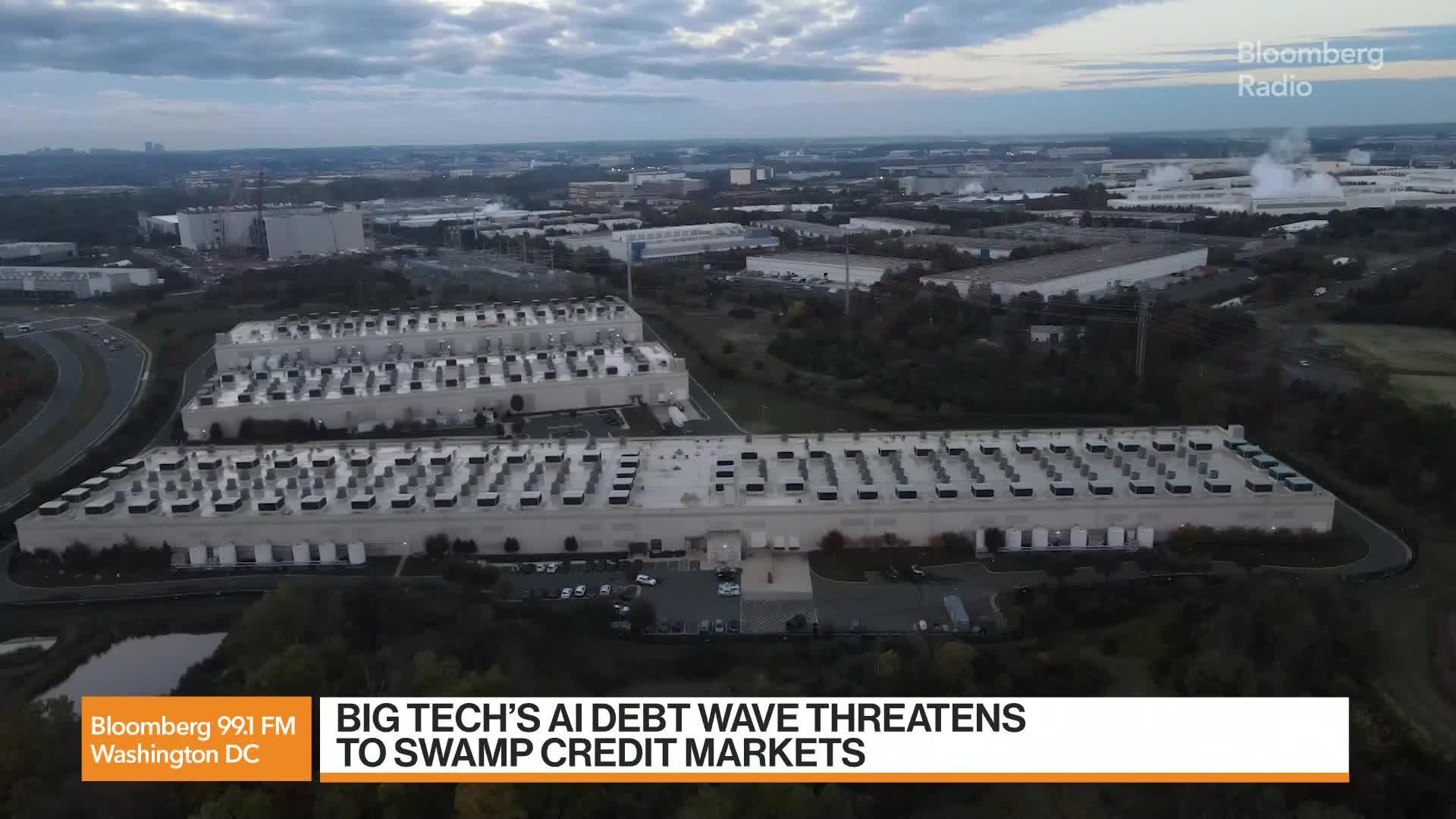
A surge of mega bond offerings from Big Tech firms such as Alphabet and Meta has helped produce a record year of global issuance and is raising concerns that continued heavy supply into 2026 could overwhelm buyers and weaken credit markets in both the U.S. and Europe. Wall Street and investors warn the flood of debt sales may strain demand and liquidity across the credit complex, even as Bloomberg research cited by Mike Casper finds no current signs of an AI bubble.
Market structure: Large, front-loaded tech bond supply favors primary dealers, asset managers with cash buffers and long-duration buyers who can pick coupons; it penalizes marginal liquidity providers, credit mutual funds and CLOs that rely on tight bid-ask spreads. Expect primary issuance to compress new-issue concessions and push secondary IG/BBB spreads wider by a conditional 20–50bps if demand fatigues, reducing equity multiples for highly levered or valuation-sensitive tech names.
Risk assessment: Tail risks include a liquidity-driven spread shock (>100bps move in IG) triggered by a coordination of heavy issuance and a macro shock (Fed surprise or equity rout), and idiosyncratic outcomes such as rating actions at GOOGL/META if leverage plans accelerate. Near term (days–weeks) see volatility spikes and thinner secondary trading; medium term (3–9 months) credit premia should reprice if issuance persists; long term (12–36 months) the funding mix could shift capex returns and M&A incentives across Big Tech.
Trade implications: Bias to reduce net credit sensitivity and buy protection: prefer tactical short-IG exposure and equity downside hedges on GOOGL/GOOG and META for 3–9 months while monitoring IG OAS and issuance cadence. Use relative-value trades to short marginal issuers vs high-quality FAAMG names with stronger free cash flow; options and CDS are preferred instruments to cap cost of protection.
Contrarian angle: Consensus assumes buyers will dry up — but record corporate treasuries and central bank backstops can reabsorb supply, making short-term spread overshoots likely to mean-revert. Look for overstated downside in 6–12 month credit puts and mispriced pair trades where equity downside is priced higher than probable credit deterioration.
AI-powered research, real-time alerts, and portfolio analytics for institutional investors.
Request DemoOverall Sentiment
moderately negative
Sentiment Score
-0.45
Ticker Sentiment
