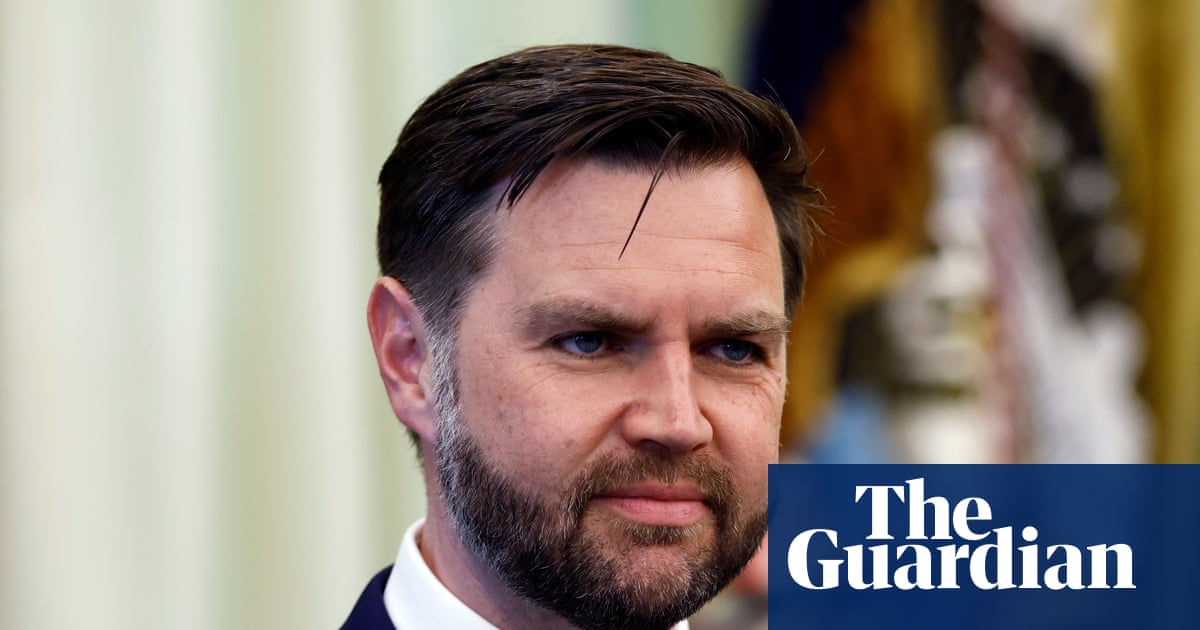
The article centers on fragile US-Iran ceasefire and negotiating efforts, with JD Vance potentially becoming the key US interlocutor as talks remain stalled. The suspended conflict and the closure of the Strait of Hormuz are cited as disrupting the US and global economy, raising geopolitical and energy-market risk. The situation remains highly fluid, with Trump signaling both blame and credit depending on whether a deal is reached.
The market implication is less about an immediate peace dividend and more about a volatility regime shift in energy. A credible negotiating channel lowers the probability of an outright supply shock premium in crude, but it does not restore lost trust in time to prevent near-term inventory tightness; that means front-end oil vol should stay bid even if spot eases. The second-order winner is not broad EM risk so much as any asset with exposure to reduced shipping disruption and lower fuel-input stress, especially freight, airlines, and industrials with thin margins.
The larger read-through is that the administration is trying to preserve a path to de-escalation without looking weak, which makes policy signaling erratic and therefore tradable. That is hostile for long-duration risk premia: each optimistic headline can be reversed within 24-72 hours by a competing post, cancellation, or internal blame shift. For defense and missile-supply chains, the key risk is not a sustained revenue surge from one conflict, but an extended period of elevated demand for interceptors, spare parts, and replenishment orders if the ceasefire proves fragile.
Contrarian view: the consensus may be overpricing a clean ceasefire and underpricing the chance that both sides prefer an ambiguous pause to a durable deal. If talks stall, the market may still be spared a full resumption of hostilities because neither side wants to own the next disruption to the Strait, which would cap upside in oil after an initial spike. In that case, the better trade is volatility selling after headline fear peaks, not directional oil longs after the first move.
The political overlay also matters: the vice-president being used as the trust bridge increases the odds of a short-term diplomatic win but decreases the odds of a durable one if he becomes a presidential candidate and needs to preserve anti-war credibility. That creates a three- to six-month window where the administration may prioritize optics over consistency, which is exactly the sort of environment where market participants overreact to social-media-driven signals and underweight the base rate of failed Middle East negotiations.
AI-powered research, real-time alerts, and portfolio analytics for institutional investors.
Request DemoOverall Sentiment
mildly negative
Sentiment Score
-0.20
